


Breaking the fourth wall in ‘Breaking the Waves’

The first cinematic fourth wall break is widely said to have occurred in 1918, when Mary MacLane directly addressed the camera in her film Men Who Have Made Love to Me.
Since then, the technique – something that has existed since the days of Greek theatre – has become a staple filmmaking technique, one that moves between being highly effective and highly cringeworthy.
Look at Deadpool, for example, which sees the superhero frequently turn and make an awful quip while looking directly at the camera, like “You’re still here? It’s over, go home. Oh, you’re expecting a teaser for Deadpool 2. Well, we don’t have that kind of money.” It’s awful.
But then there are shows like Fleabag or The Office, which break the fourth wall so well, giving us a knowing look or comment that brings us into the action, without coming off as too desperate. And what about the fourth wall breaks in a movie like Funny Games? It perfectly suits the message of Michael Haneke’s commentary on violence by directly making us accomplices to the pair’s crimes.
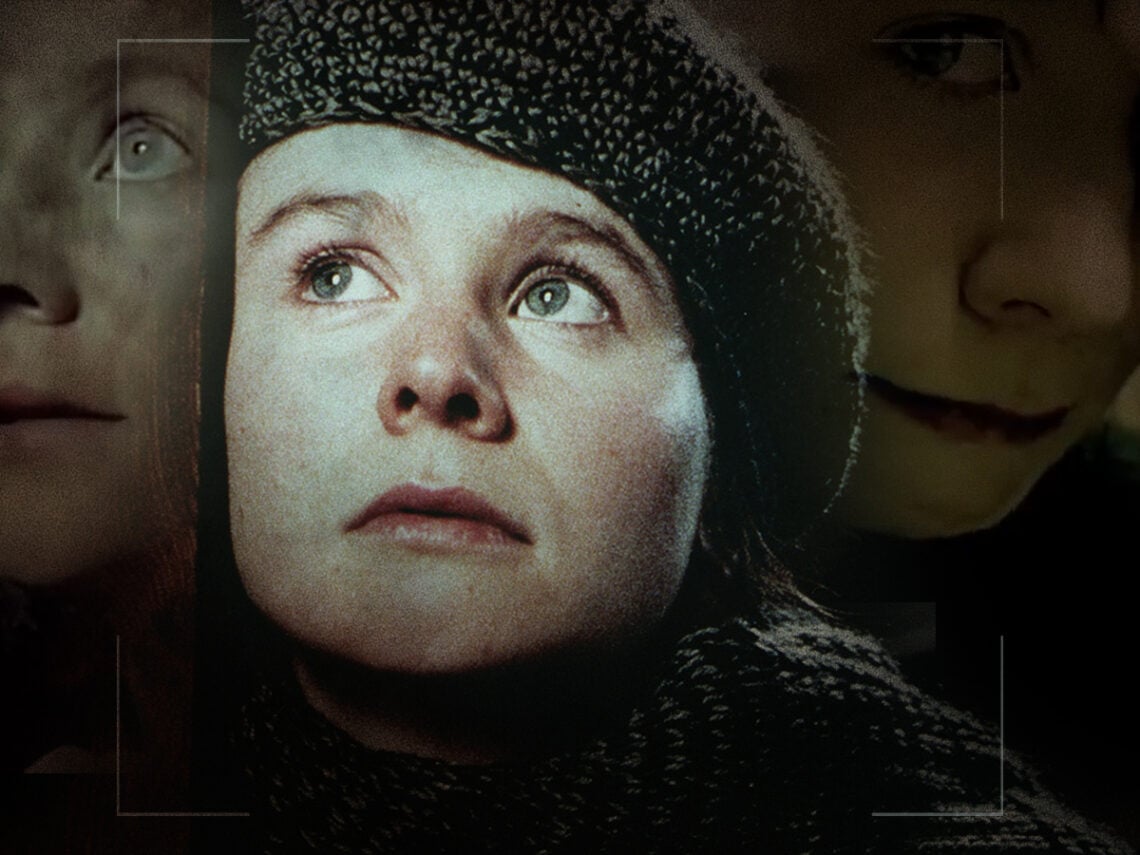
When a fourth wall break works best, it’s usually because it has been done subtly. That’s not to say that a character can’t say something to the camera, but it has to play out without being disconcerting, so in-your-face as Deadpool. A great example is Breaking the Waves by Lars von Trier, a movie that, when you click play, you hardly expect to be scattered with fourth-wall breaks. Yet, they work so well, with Emily Watson using them sparingly throughout the film, so that when they do arrive, you can’t help but feel this connection between you and her.
In her debut role as an actor (which is rather unbelievable), Watson played Bess, a naive young woman who marries Jan, a Danish oil-rig worker. She’s devoutly religious, living in a small coastal community in Scotland where she frequently attends church, and her obsessive love for God soon similarly manifests in her love for Jan. Her mental health is poor, partly due to the death of her brother, and she becomes intense, fast, needing to be with Jan all of the time.
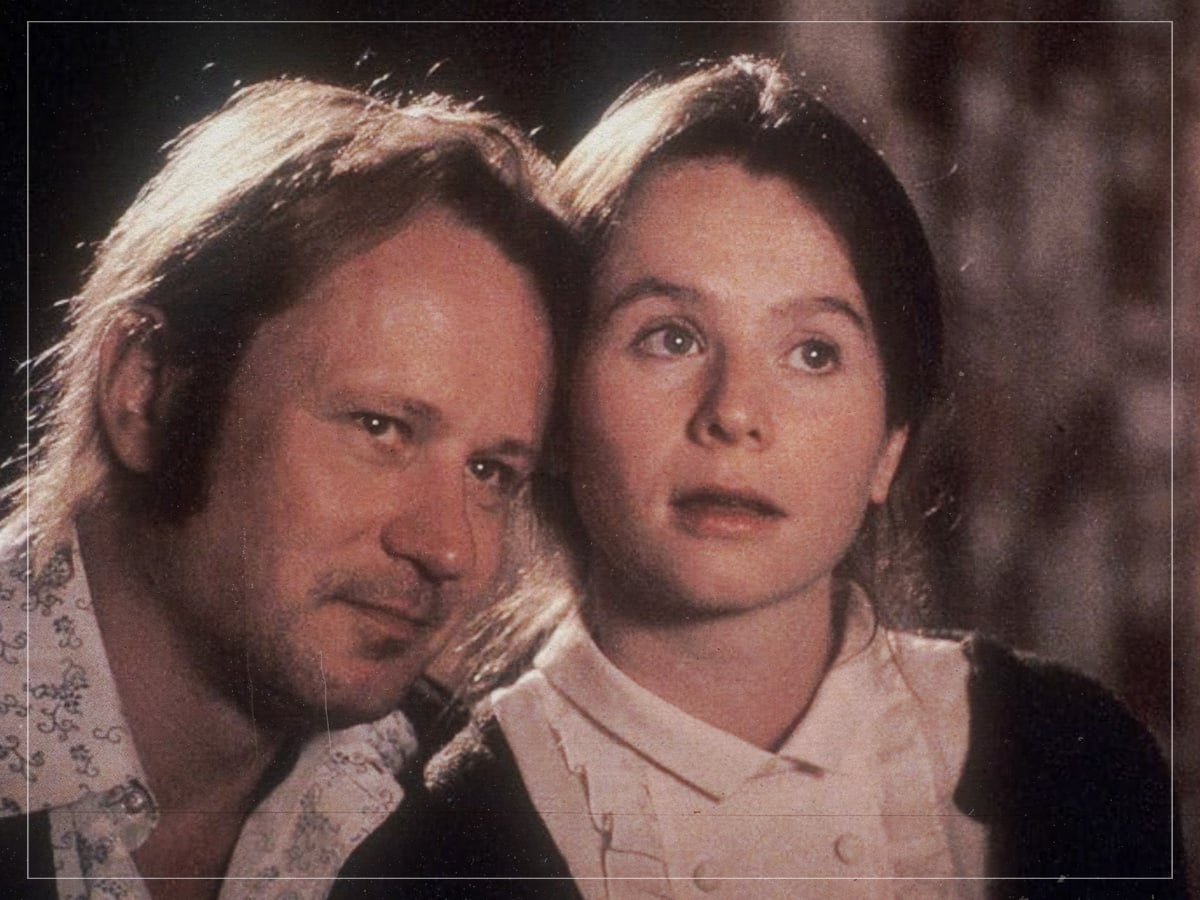
But there’s this innocence to her that is so striking, even when she finds herself in erotic situations, and Watson plays these intimate moments so well. Bess is not secure in her identity, and when Jan is severely injured, leaving him on the brink of death and eventually rendering him paralysed, she completely loses herself. He asks her to sleep with other men and tell him about it, but Bess eventually drives herself into a state of madness, resulting in her death.
Bess typically breaks the fourth wall when she’s praying to God, looking at the camera, sometimes gently smiling with a cheeky glint in her eye, other times looking more forlorn. In these moments, it’s like we’re God, and she’s looking directly at us, as though there’s something we can do to fix things. Of course, we’re helpless, because really, the only person who can save her is herself, not God and certainly not us.
Instead, Bess is so wrapped up in the uncontrollable weight of her emotions, which sometimes results in great meltdowns, that all she can do is try to transfer some of that onto us, the audience. It’s not like she knows she’s being filmed, of course, this isn’t a documentary-style film, but when she looks into the lens, it’s as though she is crying out to be heard by anyone who will listen.
When these fourth wall breaks occur, we feel the heft of her mental state, and it starts to transfer over to us. When the film ends with Bess’ tragic death, that moment in which Jan hears church bells mysteriously chiming out across the sea, it’s hard not to envision Watson’s face, bittersweetly looking directly at us.
Breaking the Waves is one of those movies that you’ll think about for the rest of your life, even if you just watch it once. It’s so tragic yet so poetic, and these moments when von Trier breaks down the barrier between Bess and the audience feel like a particularly poignant decision within the context of such personal and emotionally intimate subject matter.
With every look towards the lens, we’re pulled closer into a story that is truly as harrowing as it is beautiful.
