


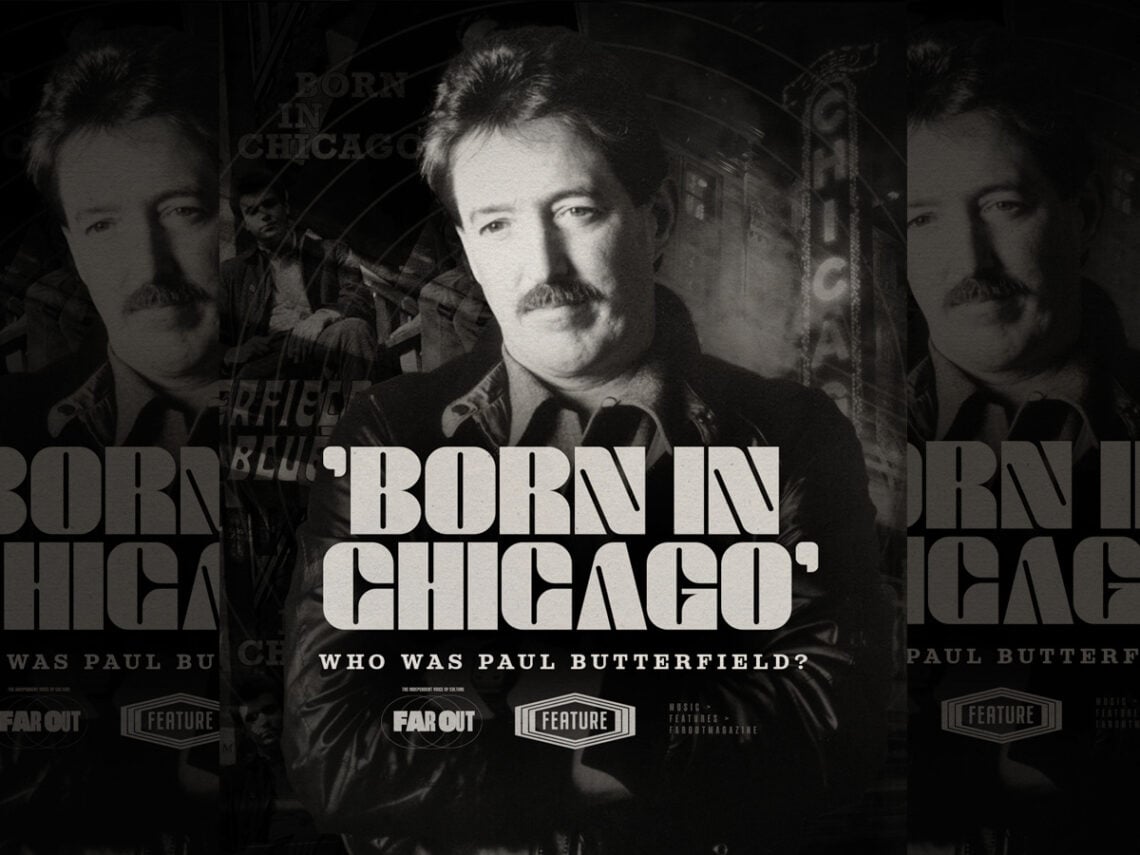
‘Born in Chicago’: Who was Paul Butterfield?

In discussions about the blues-rock explosion of the 1960s, people still haven’t gotten to the bottom of the age-old argument about who was the best guitar player.
Was it Eric Clapton (no), Jimmy Page (no again), Peter Green (probably not) or Keith Richards (you couldn’t argue against him)? Jimi Hendrix was setting his own scene on fire, out somewhere all by himself, but Michael Bloomfield could play circles around Clapton, Page, Green and most of the rest of his generation.
When it comes to the blues harmonica, though, it’s a lot easier to pinpoint who the best and most iconic players in the burgeoning scene were, and that’s Paul Butterfield, Charlie McCoy and Charlie Musselwhite, so it’s no wonder the combination of Butterfield’s harp and Bloomfield’s guitar was so powerful in the massively underrated The Paul Butterfield Blues Band.
In fact, it’s not just the band as a whole which is underrated today, but each and every individual player in the band is underrated and underremembered, as well. Guitarist and singer Elvin Bishop, bassist Jerome Arnold, soulful singing-drummer Sam Lay and pianist Mark Naftalin, and often utilising the sharp songwriting talents of Nick Gravenites, all consummately supported the twin, duelling leads of Butterfield and Bloomfield, making for arguably the greatest blues-rock band of that era and any that has come along since.
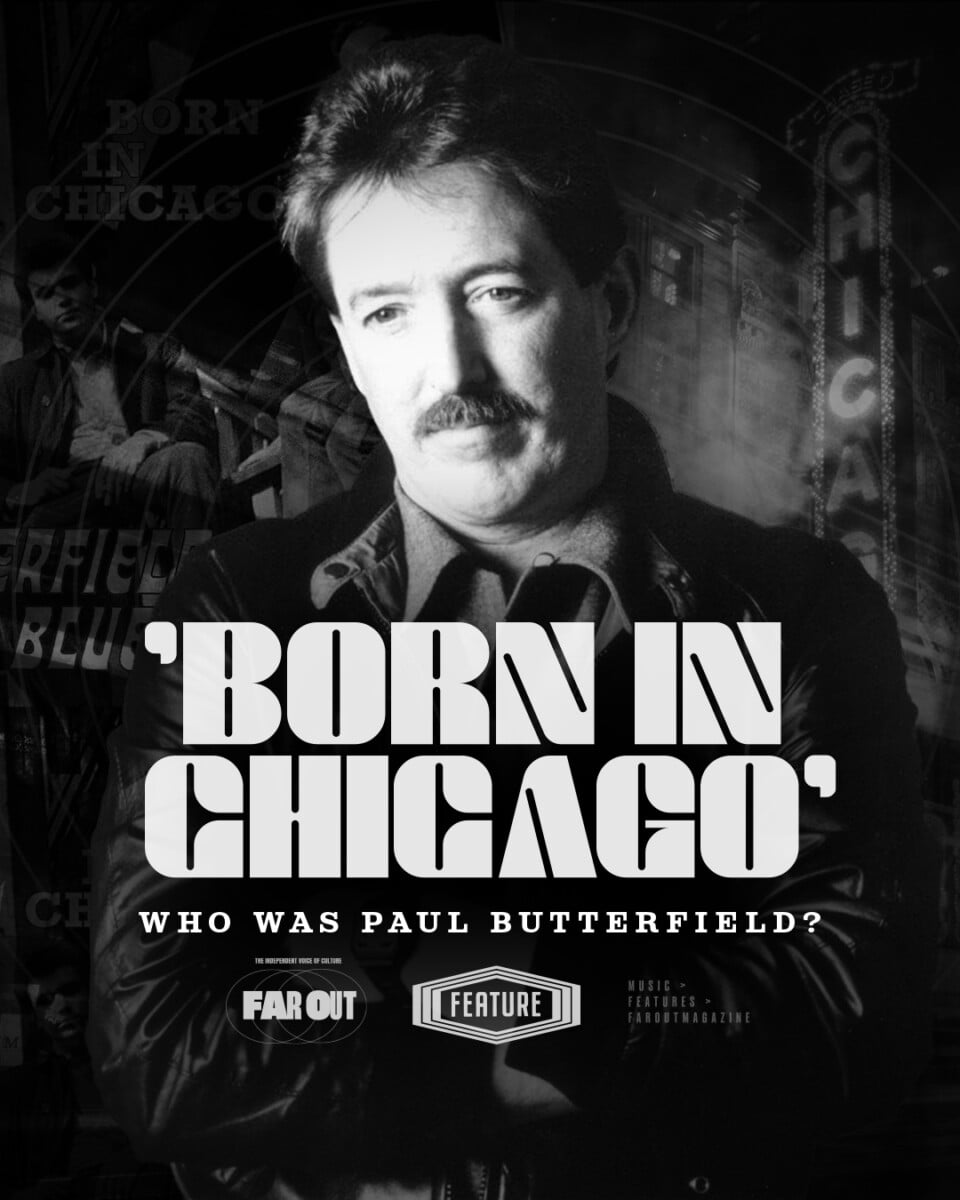
Maybe you can put it down to the fact that most of the band were Born in Chicago, home of the electric blues, which meant they had more of a feel for the real thing than any of their contemporaries who had crossed the Atlantic from England, or maybe it was the fact that they all cut their chops sitting in at sessions on the South Side with Muddy Waters, Big Joe Willliams, Otis Rush and the Howlin’ Wolf. To play with the best, though, you had to make sure you were better than anybody else, and Bloomfield and Butterfield more than rose to that challenge to earn the right to play with their blues fathers.
Butterfield was one link in a long chain of exemplary, explosive, soulful, expressive and masterful harmonica players, people who could make the instrument sing, cry, moan, wail and stop you dead in your tracks, alongside names like Little Walter Jacobs and Big Walter Horton, James Cotton, Sonny Boy Williamson I and II (no relation), Sonny Terry and Junior Wells, Jimmy Reed, Paul Oscher and the Howlin’ Wolf himself. Before long, having earned his stripes with the masters of the blues on Chicago’s South Side, and having built up a relationship with fellow disciples Nick Gravenites and Elvin Bishop, Butterfield was looking for bookings under his own banner and building up an audience of his own with regular appearances at Big John’s nightclub on the city’s North Side.
Being born to a middle-class family and attending private school didn’t stop Butterfield from finding out about the blues the hard way, for even with a head start in life, the streets of Chicago are no easy place to grow up, with his brother, Peter, remembering that Paul would spend a lot of time by himself, working at his craft and honing his skills with the harmonica: “There’s a place called the Point in Hyde Park, a promontory of land that sticks out into Lake Michigan, and I can remember him out there for hours, playing. He was just playing all the time. It was a very solitary effort. It was all internal, like he had a particular sound he wanted to get and he just worked to get it.”

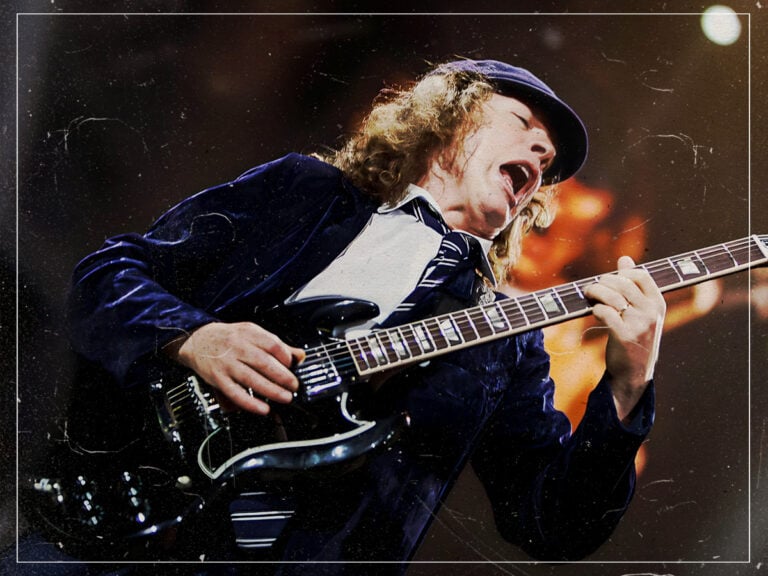
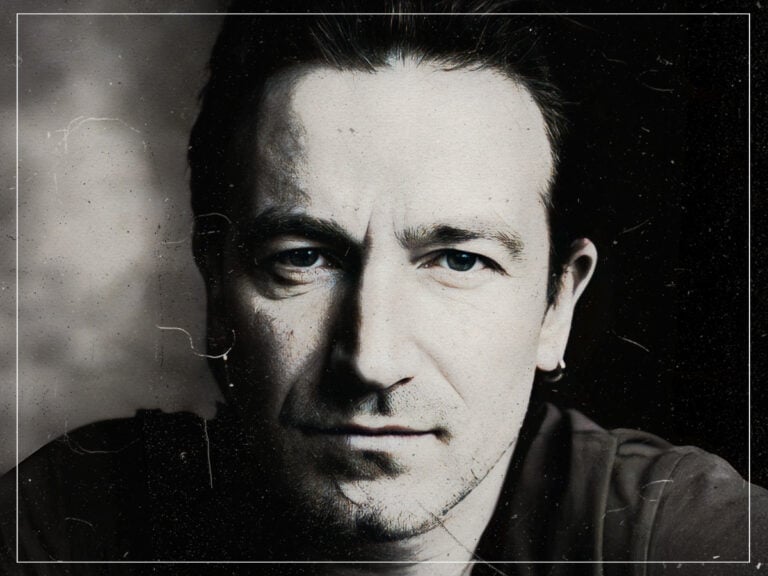
He might have perfected his playing by himself, but it was when working with his group that he really brought the blues to life. Very quickly, his engagement at Big John’s led to him building an enthusiastic local audience, while at the same time, on the city’s South Side, Michael Bloomfield was building an audience of his own with a regular engagement at Pepper’s Lounge. Before long, almost inevitably, the two young white blues prodigal sons were drawn together, and the results were explosive.
Bloomfield was apprehensive, at first, though, remembering that of Butterfield that “he was a bad guy. He carried pistols. He was down there on the South Side, holding his own. I was scared to death of that cat”. Later on, longtime producer Norman Dayron would add that Butterfield could be “defensive and hard-edged”, while friend and writer Michael Erlewine has described him as “always intense, somewhat remote, and even, on occasion, downright unfriendly”.
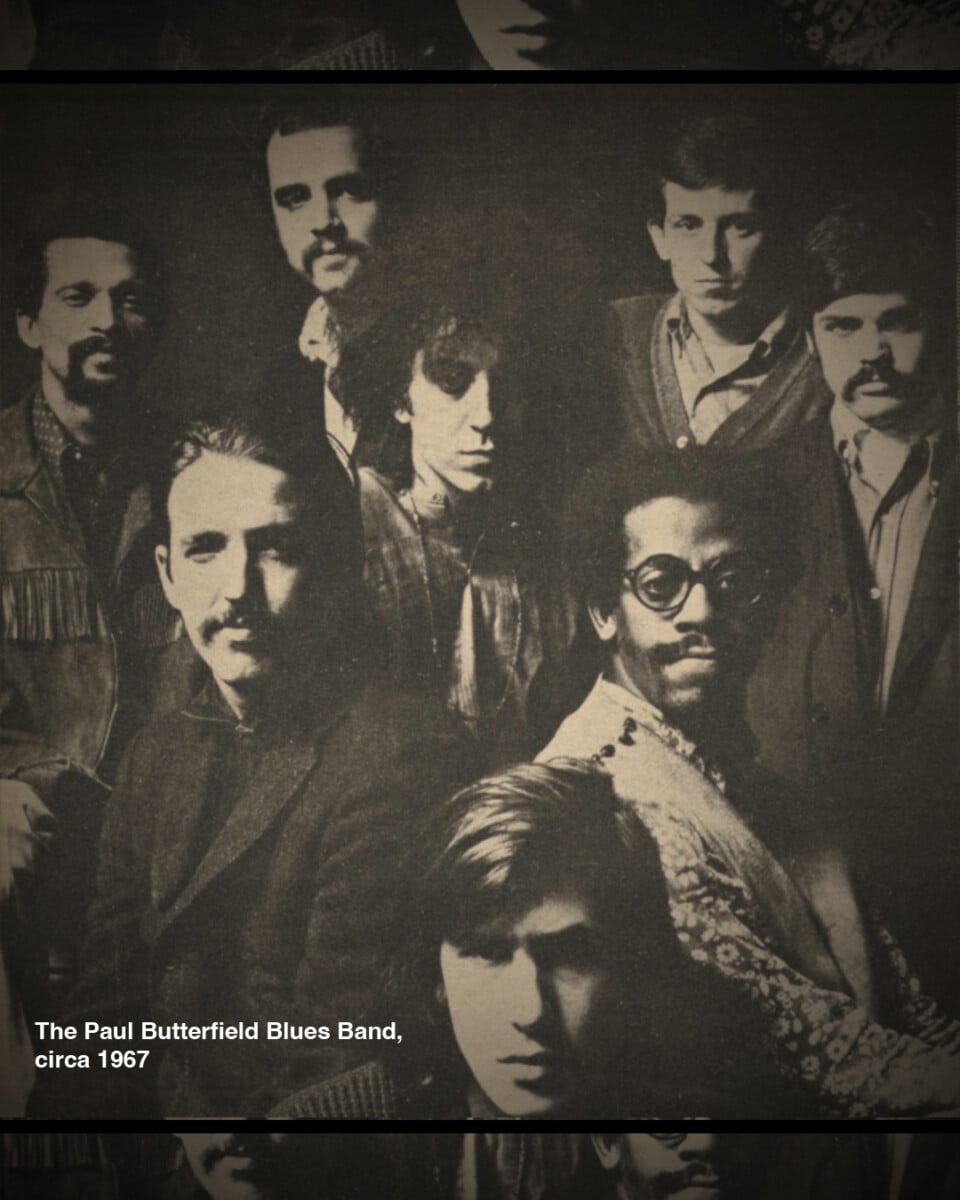
That hard-edged intensity and ability to hold his own came out through his harmonica playing, which could be brutally beautiful. He played the harp like a runaway train, never stopping to let anything get out of his way and ploughing right on through you if he had to. The intensity of his backing band, and especially the explosive nature of Bloomfield’s guitar playing, only pushed him on to play with even more vigour and magnitude. In fact, despite having the approval of electric blues pioneers Muddy Waters and Howlin’ Wolf, the intensity of the playing from The Paul Butterfield Blues Band wasn’t even always just contained to the stage. At the 1965 Newport Folk Festival, where Bob Dylan would go on to change music history with his electric set, the band had already wreaked carnage with an electric performance of their own.
Folklorist, musicologist and festival board member Alan Lomax was so incensed by the intense wave of distorted, frenetic and frightful noise that was blasting off of the stage during their afternoon slot that, having already introduced them to the audience with a slew of condescending and patronising comments, he even came to blows with their manager Albert Grossman (not somebody you’d want to end up on the wrong side of) as the band played on. The group had caught the attention of producer Paul Rothchild and were signed to Elektra Records, but their work in the studio wasn’t able to capture the intensity, heat, vitality and excitement of the band’s live performances. Through the ’60s, the group underwent several line-up changes, most notably when Bloomfield split off to start The Electric Flag (another severely and criminally underrated group from the era), and continued to perform better on stage than in the studio.
At the end of the decade, Butterfield would reunite with Michael Bloomfield and their hero Muddy Waters, as well as legendary piano player Otis Spann, for the concept album Fathers and Sons, one of the finest blues records ever made, while the Paul Butterfield Blues Band also appeared that year at the Woodstock Music and Art Fair, but as the 1960s became the 1970s, the group disbanded.
Having relocated to Woodstock himself, Butterfield formed a new group, called Paul Butterfield’s Better Days, but his best days were most likely already behind him. The band put out a couple of records, but before long, he was looking to go solo, as well as sitting in as a sideman on another Muddy Waters release, this time teaming up with members of The Band. In 1976, Butterfield would join the rest of The Band and perform with them at their farewell show, immortalised in Martin Scorsese’s The Last Waltz, playing ‘Mystery Train’ solo and adding harmonica flourishes as Waters sang and swaggered his way through a blistering ‘Mannish Boy’ (“no B-O-Y! Ain’t that a man”).
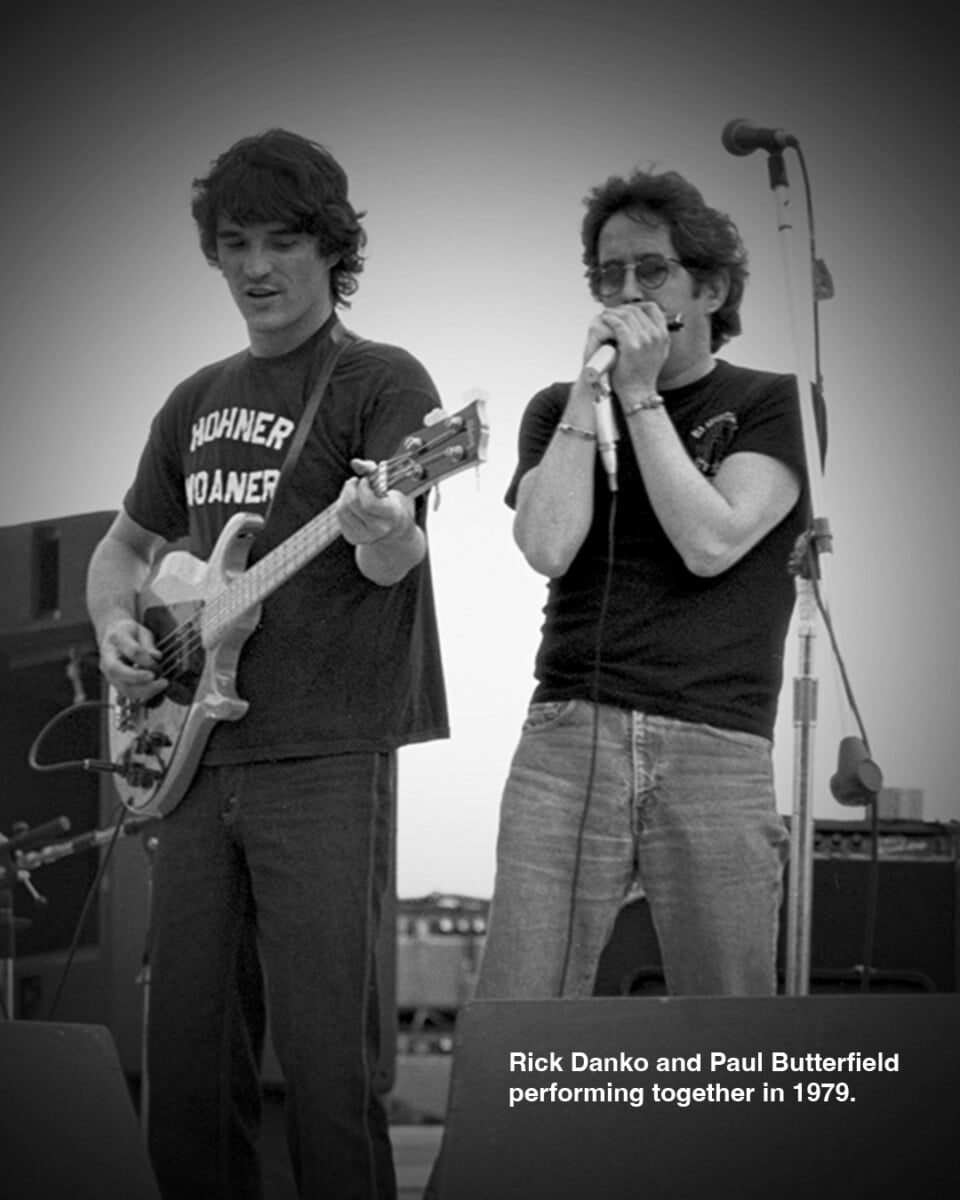
From then on, Butterfield would only release three more records, all solo works, and continued to play live both on his own and in support of other artists, but he began to struggle with both his health, with heroin addiction and, as a result, financial difficulties as well. Maria Muldaur, musician and wife of Paul Butterfield’s Better Days alumni Geoff Muldaur, said that Butterfield “embodied the essence of what the blues was all about. Unfortunately, he lived that way a little too much”.
When his old bandmate and life-long friend, Michael Bloomfield, was found dead from an accidental overdose (biographer David Dann has suggested that Bloomfield, who was living clean at the time of his death, had been spiked at a party), tragically young at just 37, in 1981, Butterfield was shaken up. Just six years later, he too would suffer a similar fate and pass away at only 44 years old, with the cause of death also noted as an “accidental overdose”. By the time he died, Paul Butterfield had been left behind by the music scene, the music industry and any audience that he once had, but he has rightly come to be remembered as one of the all-time greats on his instrument. It’s just a shame that he didn’t get to live to be so celebrated.
