


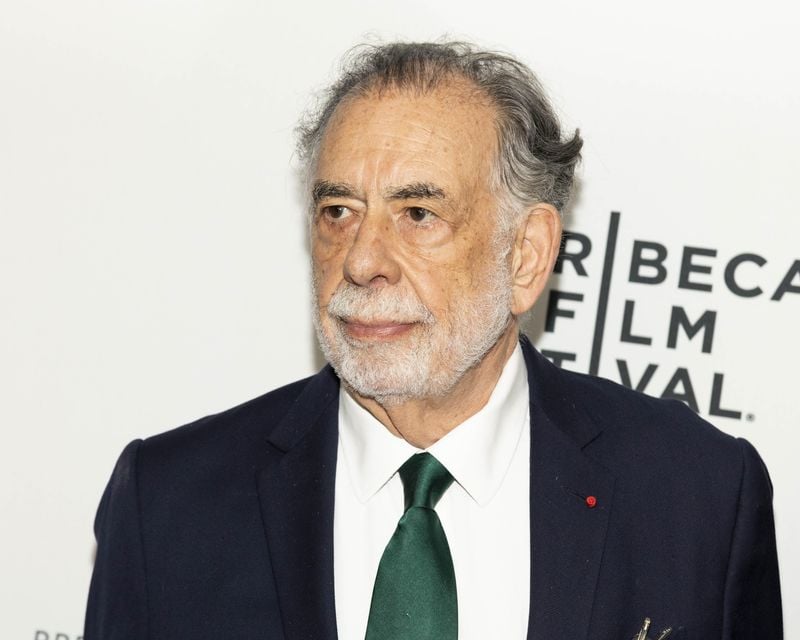
The essential books that have inspired Francis Ford Coppola

Francis Ford Coppola completely changed the frameworks of American cinema during the New Hollywood movement. Through iconic works such as The Godfather films and Apocalypse Now, Coppola examined the contemporary state of the Hollywood spectacle and managed to create thought-provoking masterpieces.
In addition to being a visual genius, Coppola has always been a very literary filmmaker. He has proven that he is the master of adaptations, having transformed the works of writers like Mario Puzo and Joseph Conrad into cinematic gems. During an interview with the New York Times, Coppola provided insights about his taste in literature.
When asked about his favourite modern writers, Coppola did not hesitate to answer: “Jeffrey Eugenides”. While talking about Eugenides’ work, he commented: “I loved ‘The Virgin Suicides’ of course, as it was the debut film of my daughter, Sofia, but very much also loved ‘Middlesex.'”
However, there are only a handful of books he considers influential for his evolution as a director. He began by citing the famous inspiration behind Apocalypse Now: “‘Heart of Darkness’ by Joseph Conrad.” Coppola added: “Anything by Gustave Flaubert. I love ‘Ivanhoe’ as well, by Sir Walter Scott.”
He also mentioned that he wasn’t interested in adaptations anymore. Coppola explained: “I no longer think that way, searching for material to make into films. I’m interested in original screenplays that I write myself. The books I read for myself are lessons into the art of writing. Also when you read something wonderful it tends to make you enthusiastic about writing something.”
Check out the full list below.
Francis Ford Coppola’s favourite books:
- ‘Heart of Darkness’ – Joseph Conrad
- The complete works of Gustave Flaubert
- ‘Ivanhoe’ – Sir Walter Scott
In addition to the works mentioned above, Coppola expressed his admiration for other books, such as ‘Darkness at Noon’. The director also revealed his love for short stories and claimed that Edgar Allan Poe and Nathaniel Hawthorne were masters of their craft.
“From ‘Little Women,’ that the true expressions of love are modest, simple things,” he added, pointing out that Louisa May Alcott’s seminal novel was the last great book he had read. He said: “Often poverty teaches us to express love in the most profound ways.”
