


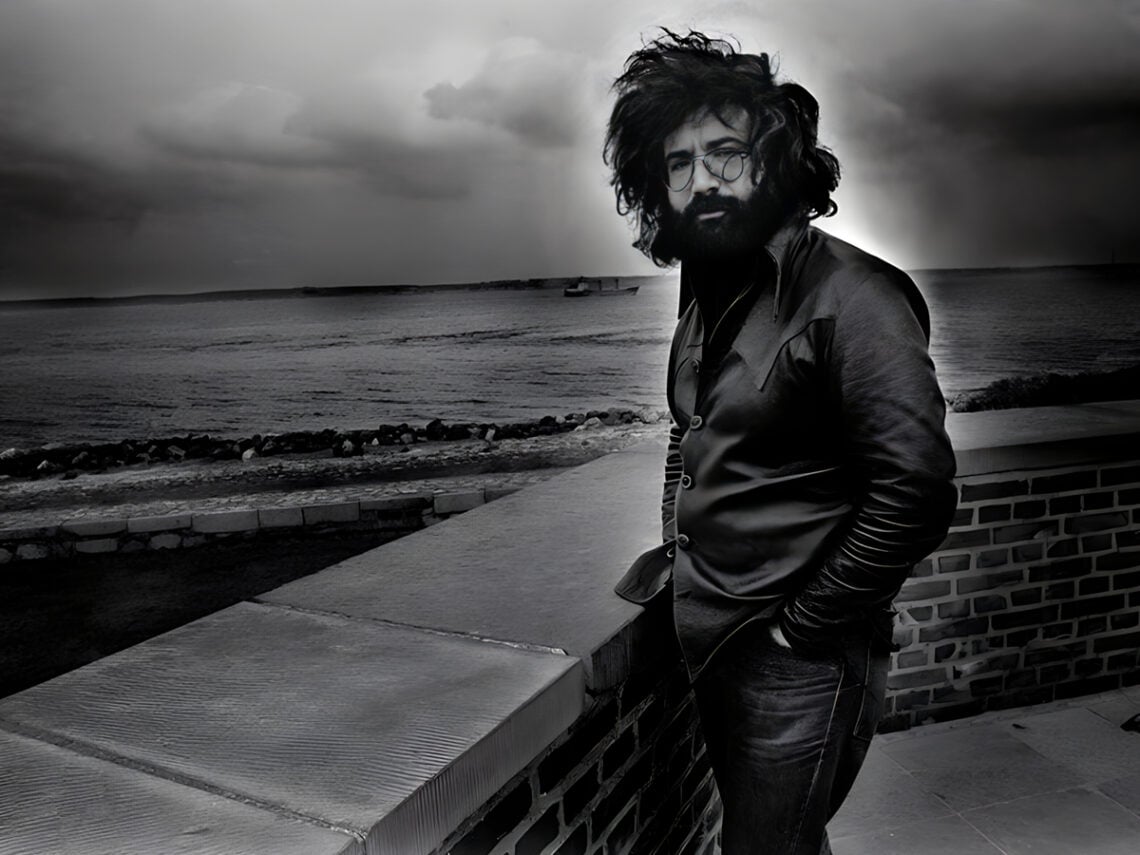
Bob Weir explains why Jerry Garcia was “disgusted” by hero worship

The late Jerry Garcia was one of the most influential musicians of his generation, with his legacy still very much alive today. He was the leader and guitarist of the ultimate countercultural outfit, the Grateful Dead, and alongside the rest of the band, he captured the spirit of that momentous time.
Not only did Garcia help popularise the hippie ideal and the use of LSD through his efforts with the group, but he also found success with New Riders of the Purple Sage, the Jerry Garcia Band and various other projects, confirming the wide breadth of his talent.
Whilst Garcia was one of the most consequential artists of his day, he has been noted as one of the most prominent casualties of the rock ‘n’ roll lifestyle. As he grew older, he struggled with long-standing heroin and cocaine addictions and was a heavy smoker, with diabetes also taking its toll later in life. Compounding these health concerns, Garcia also fought obesity for much of his adulthood. Bringing the gravity of the Grateful Dead leader’s issues into focus, he was staying in a drug rehabilitation facility when he suffered a heart attack and died aged 53 in 1995.
Pulled in this direction by his personality and extraneous factors, such as the intense fame that Garcia was afforded, it’s telling that his old Grateful Dead bandmate, Bob Weir, has looked back on the “deification” of Garcia negatively, saying it is “basically what killed him”. Weir also claimed that his late friend hated the hero worship, saying it “disgusted him”.
Speaking to The Washington Post in November 2022, Weir rejected how some of the band’s fans created a godlike reverence of Garcia because of his role as the leader of the Grateful Dead. “I won’t have it,” he told the publication. “The deification that those folks made of Jerry is basically what killed him.”
Additionally, Weir said that Garcia personally hated the hero worship, explaining, “It disgusted him, and rightly so”.
He then outlined his thoughts on the broader deification of musicians, asserting, “I’ve seen where that goes. That’s a lesson I learned the hard way, from losing a friend.”
This was not the first time Weir had offered a sobering account of fame. Speaking to Rolling Stone in 2016, he reflected on the benefits and drawbacks of being in one of the most significant bands of his generation. “When you become successful, people become willing to work with you and open up their world to you,” the Grateful Dead guitarist explained.
Adding: “But with fame comes a set of expectations that aren’t what you were going for. Back in the Sixties, before we were truly famous, we went to Canada. A radio station in Vancouver had done a big promotion, and there was a crowd of kids at the airport screaming, Beatlemania-style.“
The 75-year-old learned from early on in the band’s career that people treated you differently when famous than they would a regular human being. “As we were walking through this throng of kids, they started pulling out my hair for souvenirs,” he said. “I was still in my teens. I learned the trappings of fame are not all they’re cracked up to be.”
