


The bleak original ending to Ridley Scott’s ‘Alien’

Ridley Scott never went into Alien with the intention of spawning a lucrative franchise that would still be going strong almost 50 years later, but the various sequels, crossovers, spinoffs, and prequels may not have happened at all had he kept the original ending.
Crafting one of the greatest science fiction movies and horror flicks of all time in one fell swoop, the increasingly broad and blockbuster scope of the ongoing saga eventually lost sight of what Alien once was: a self-contained and nerve-shredding haunted house story set in the deepest reaches of space.
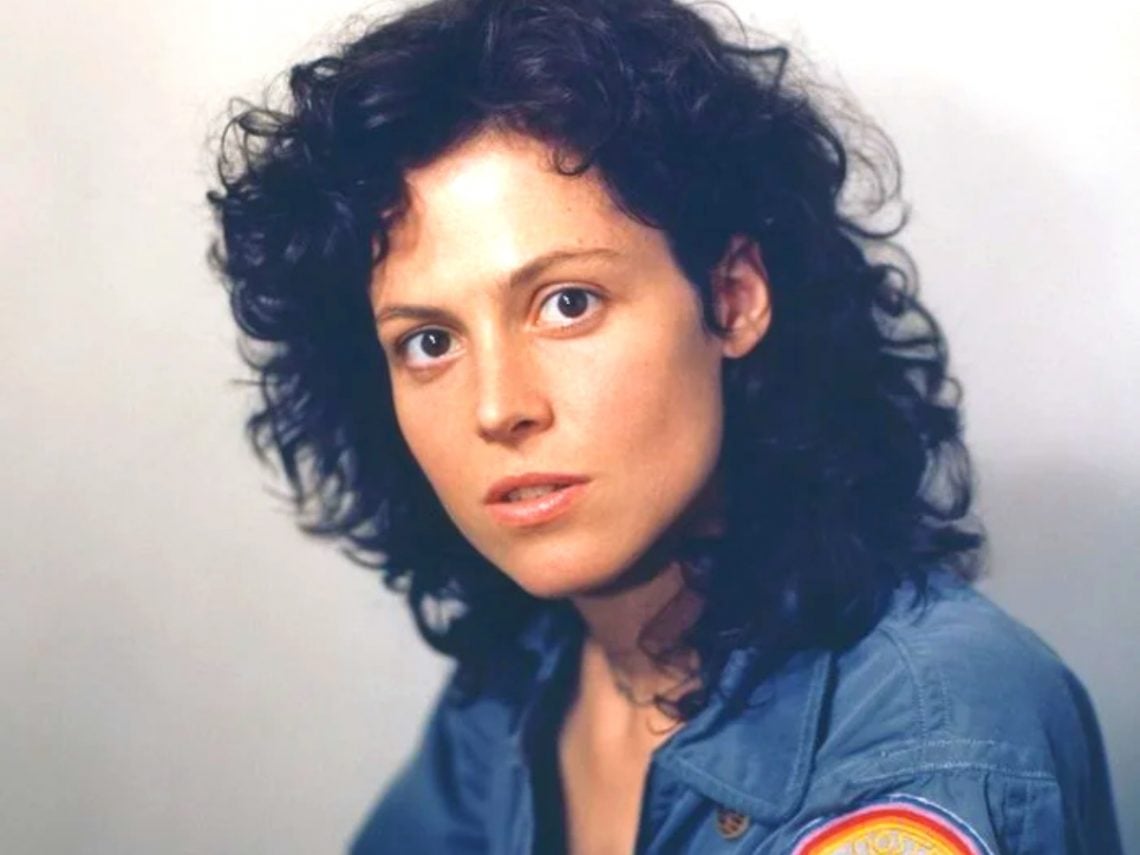
One by one, the terrifying Xenomorph slowly stalks its prey until only Sigourney Weaver’s Ellen Ripley and her trusty feline companion Jonesy are left alive, forcing the pair into a desperate battle for survival that extends right through to the film’s final moments.
In the Alien everyone knows and loves, Ripley impales the creature with a grappling hook gun and boots it out of the airlock before firing up the engines and sending it spiralling into the vast nothingness of the cosmos. Settling in for a long time in stasis, the protagonist and cat are both alive and well by the time the credits start rolling.
The iconic saga simply doesn’t exist in its current form without Ripley’s monumental stature, but Scott admitted to Entertainment Weekly that he didn’t plan on her making it out alive at all. Instead, the Xenomorph would have emerged victorious, with the master plan to defeat the intergalactic nightmare proving entirely fruitless.
“I thought that the alien should come in, and Ripley harpoons it and it makes no difference, so it slams through her mask and rips her head off,” he said. Unsurprisingly, the studio didn’t think having a decapitated hero was smart business sense. “The first executive from Fox arrived on set within 14 hours, threatening to fire me on the spot,” Scott admitted before a more suitable conclusion was shot.
The initial finale would have also seen the alien mimicking the voice of Tom Skerritt’s Dallas to send out a distress call, which would have technically left the door ajar for follow-ups. However, Ripley was the face of the property for a reason, with Scott’s initial belief she needed to be bumped off proven spectacularly wrong when Weaver netted an Academy Award nomination in the ‘Best Actress’ category for James Cameron’s Aliens.
Alien ended up giving rise to three direct sequels, two crossovers with Predator, a pair of prequels helmed by Scott himself, with another feature-length chapter and an episodic TV series currently in the works. Had the director stuck to his guns, then it stands to reason the franchise would never have displayed such astonishing longevity, particularly when Weaver’s Ripley was so pivotal to its first two decades of existence.
