


Big Special: “Birmingham has always been treated as a pariah”

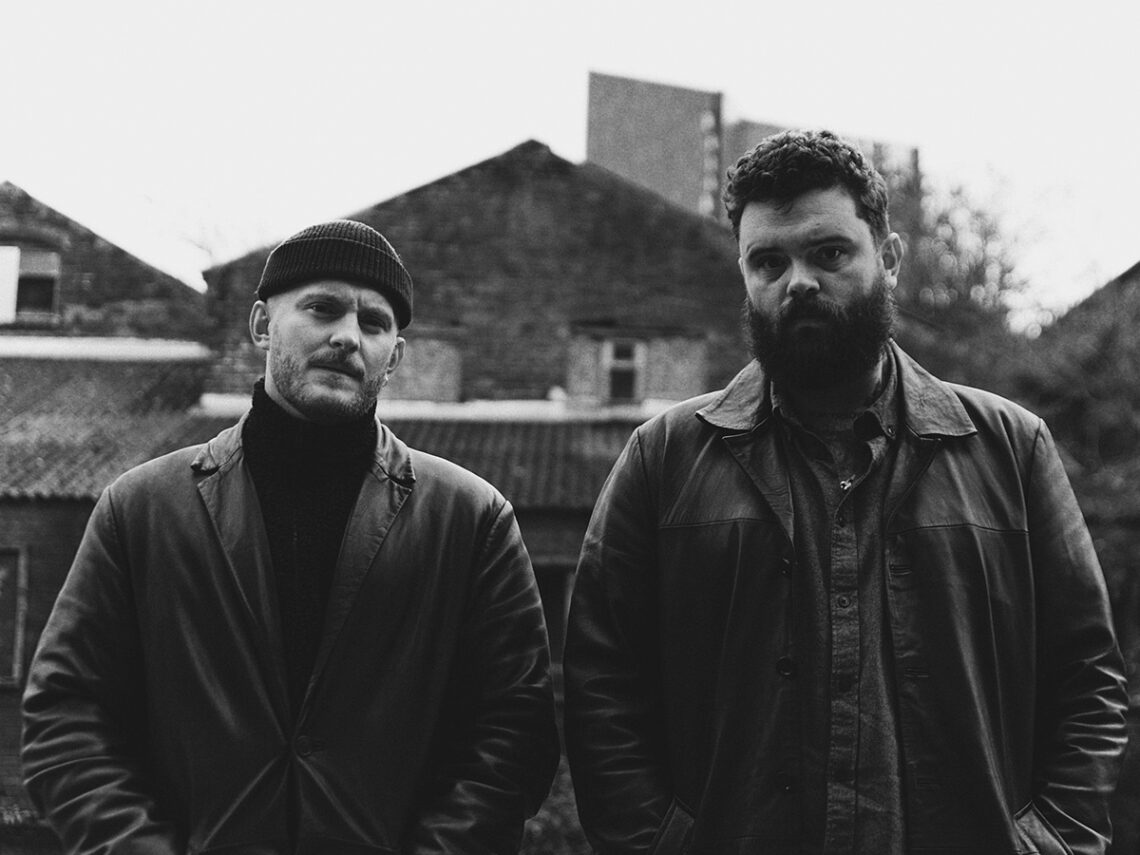
After Birmingham City Council revealed plans to cut the entirety of their arts funding, local duo Big Special spoke exclusively with Far Out about what this means to the city and its music scene.
In response to financial difficulties, which have left Birmingham City Council with a £300m hole in their accounts, they have decided to stop funding the arts by 2026. Additionally, the elected body have also chosen to implement a 21 per cent increase in council tax on local citizens.
While bands such as Big Special, who have received no financial support from governmental systems, aren’t directly affected by the cuts, the duo believe the repercussions will be felt across the cultural scene in Britain’s second city.
Institutions that previously received financial support will now be forced to fend for themselves, including Birmingham Royal Ballet, the Legacy Centre of Excellence, the REP Theatre, and the City of Birmingham Symphony Orchestra.
Since news of the cuts was revealed, Deborah Cadman OBE, the chief executive of Birmingham City Council, announced her plans to step down from the position on March 13th and told staff she was “incredibly disappointed with the council’s current financial position”.
Meanwhile, down the M42 in Nottingham, their council has also enacted similar plans to remove its cultural funding, affecting the Nottingham Playhouse, Nottingham UNESCO City of Literature, City Arts, New Art Exchange, and Binns Organ Trust.
Ahead of the release on May 10th of their highly-anticipated debut album, Postindustrial Hometown Blues, a record which addresses important societal topics such as the class system in Britain, Big Special spoke exclusively with Far Out about Birmingham and why these cuts are emblematic of a wider problem.
Big Special discuss Birmingham City Council arts funding cuts:
Far Out: How devastating is the announcement that Birmingham City Council are planning to cut the entirety of their arts funding by 2026?
Big Special: “It generally is sad to see that the arts and social care are always the first things to go when cuts begin. It goes to show that quality of life isn’t important to the powers. Expression of culture and history isn’t important to capital growth. It seems that our ruling class resent the artistic voice of the working classes, and would take any chance to let those voices fade.”
Peaky Blinders creator Steven Knight claimed this shows the arts are viewed as a “luxury” by elected officials, do you also think they don’t appreciate its importance?
“Our cities are run by self-serving careerists who hold no pride for the places they represent. Mismanagement and greed pull all resources from people In need or young people attempting to divert from the path laid out for them by our social systems. The government do not want working-class or minority artists. They want uninspired and silent workers to fill the warehouses of England and leave the dreaming to their own.”
How could these cuts effect the local scene in Birmingham?
“The local scene has been getting smaller and smaller for the last 15 years, pretty much isolated to a few key venues. Birmingham has always been treated as a pariah by the music industry. It’s one of the first cities to be missed off international touring acts’ schedules, being overlooked for London and Manchester, despite having the second largest population in the UK… This puts a tonne more emphasis on the local scene to maintain its own sense of identity and civic pride, making smaller local grassroots venues even more vital. Even though this funding rarely reaches these venues, the ones that rely on it will continue to crumble.”
Do these cuts make the arts even more of a closed club for the privileged few, making it even more difficult for working-class artists to break through?
“It’s hard to say… We never benefited from any arts funding… We weren’t even aware of any arts funding in Birmingham until we were adults. I think the larger issue is that when that funding existed, it was directed to already established institutions, rather than targeting places and artists that needed it most.”
“It seems that country-wide arts funding is on the line, and becoming riddled with stipulations about who and what can receive it. No politics. No protest. No point. They want to sculpt the arts scene into a commodity they can control, not something that can stand on its own two feet. Saying all that, we hope Birmingham Council U-turn on this decision, and then take a closer look at where these funds are channelled to,” they conclude.
Big Special are set to release Postindustrial Hometown Blues on May 10th, visit here to buy the album and tour tickets.

Never Miss A Beat
The Far Out Music Newsletter
All the latest music news from the independent voice of culture.
Straight to your inbox.