


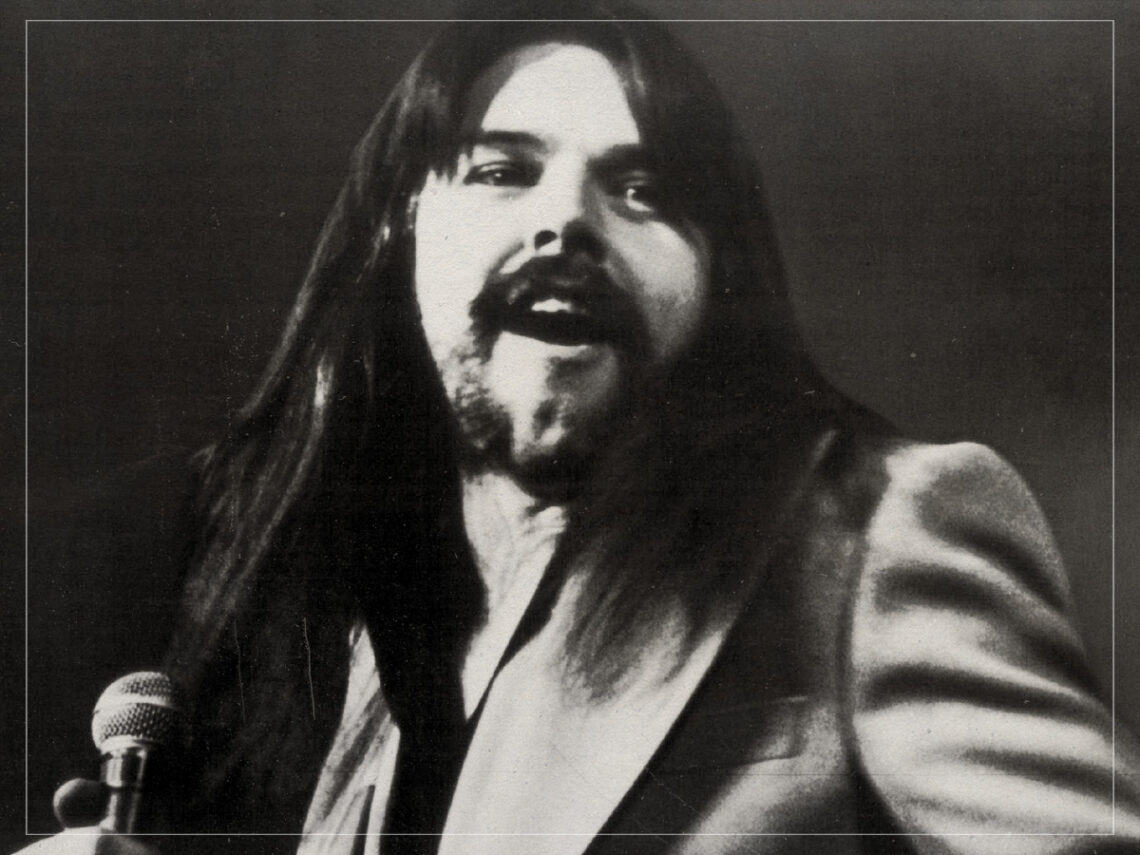
How The Miracles became the best Motown band Bob Seger ever witnessed: “Not flash at all”

If we are going to talk about cold, hard metrics, then Motown didn’t have any bigger artists than Stevie Wonder and The Supremes. Together they share the title for selling the most records for Motown, with both acts estimated to have sold over 100 million records globally and thus lead the way for this commercial megapower.
While both artists also prove that cultural impact was a huge part of the Motown model, we can’t lie to ourselves and say that for its leader, Berry Gordy, there was nothing more important than making money. Motown was a bona fide cash machine, with Gordy somehow turning a label into a sort of musical assembly-line that consistently churned out hits, managing 110 Billboard top ten hits between 1961 and ‘71 alone.
Most of our memories of the label align with the artists who achieved those. So of course, there’s Wonder and The Supremes, but also Marvin Gaye and The Temptations.
The latter, along with The Supremes, were a perfect distillation of the Motown magic, bands with an almost unmatched vocal versatility paired with on-stage charisma that together performed charming songs of romance and youth. It was perfect for everything Gordy and the wider worlds of soul were trying to achieve at the time.
But given how large the scope of Motown was, there were plenty of artists who contributed to the culture without the commercial acclaim. Not every band was as charismatic as the front-runners of the label, but some were just as influential to the subcultures that existed around them. Without certain Motown icons of the ‘60s, a string of iconic rock and roll artists from the ‘70s wouldn’t have existed.
Take Bob Seger, for example; it was the local Detroit rhythm and blues sound that captured his attention, not that of the artists who left the city and went global. While he was going to clubs and soaking up the essence of this wildly soulful new movement, one more underrated band in particular caught his attention.
Seger remembered, “I used to go to the Motown revues, and the Miracles always closed the show. They were that good, and everybody knew it. Not flash at all. The Supremes had bigger hits. The Temptations had the better dance moves. The Miracles did it with pure music.”
Maybe that’s why Gordy didn’t put them at the front and centre of his label. He was less concerned about the pure essence of artistry and more about the idea of an act being the full package, so to speak. Being full-blooded musicians simply wasn’t enough; there had to not only be sing-along hits, but a bulletproof choreography routine with it.
But the role The Miracles played in shaping Motown won’t be forgotten by Seger and countless others at those early Detroit shows. If anything, that was the real essence of the label: the acts who shaped the sound and helped define what soul truly was, even when the spotlight wasn’t shining directly on them.
