


“How nuts”: The 1979 album Stevie Nicks said was even crazier to work on than ‘Rumours’

There might not be an album whose recording process is as famed as Fleetwood Mac‘s Rumours.
In fact, there’s a strong argument to make about the record’s reverence being largely down to the drama that laced it. It was a band both at the cusp of their peak and at the brink of breakdown, battling their potential and demise at the very same time.
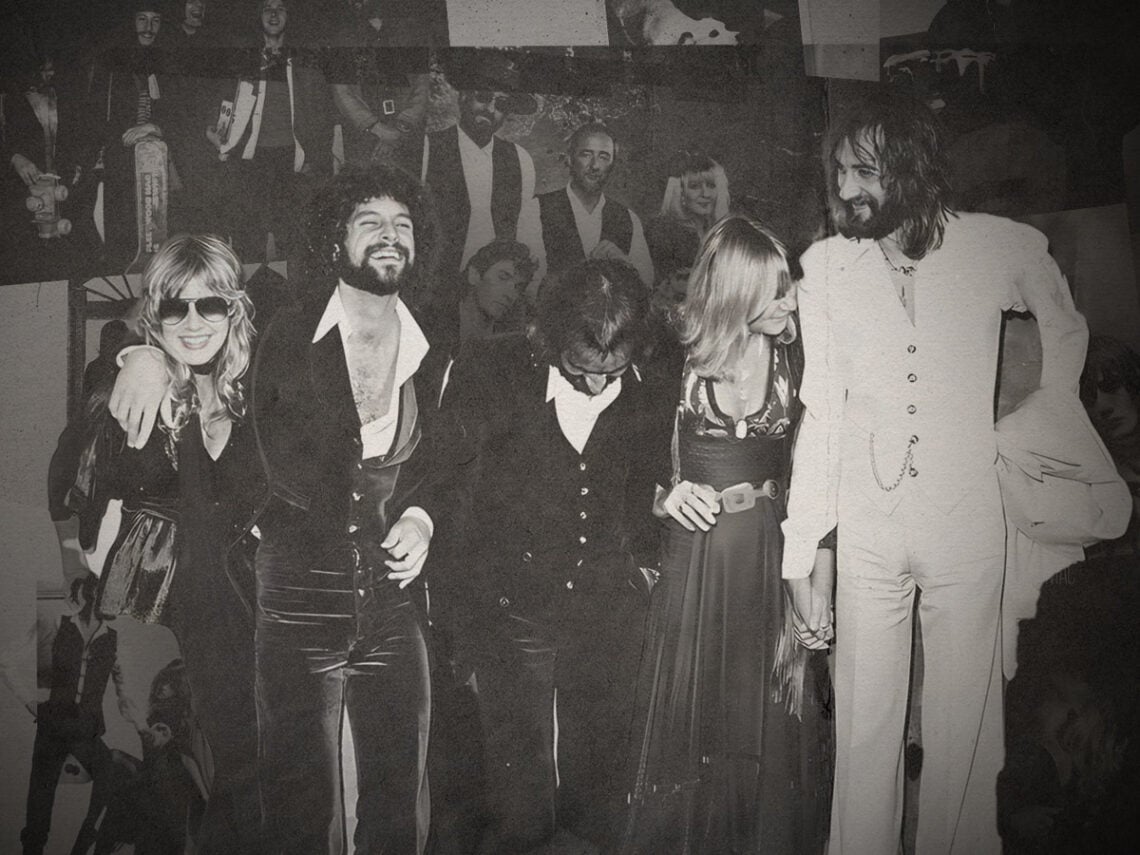
Three years earlier, the enigmatic musical duo and couple Stevie Nicks and Lindsey Buckingham joined the band, thus making the five-piece line-up a band of two couples. They joined John and Christine McVie, who were also combining their romance with musical collaboration and together, the four created a dramatic recipe for the songwriting that lay ahead.
While existential cracks were beginning to show on their self-titled 1975 record, it was nothing compared to what followed with Rumours. Seemingly never-ending break-ups and reconciliations took place in between recording sessions, making the songs that were recorded in between both deeply personal and visceral, with individual band members actually playing instrumental parts to songs that were brutally aimed at them.
The salacious nature of the storytelling, combined with the genuine musical merit, of course, made the album a success, storming the charts immediately and still being regarded as one of the best albums of all time to this day. Rather sadly, it posed an unavoidable future together for the band, who were forced to reckon with the idea that they simply must stay together and endure the pain, for the greater good of the band.
So by the time their ‘79 follow-up Tusk rolled around, the mood was positively muddled. Buoyed by the acceptance of the music industry but fatigued by being around each other, they pushed on into a record that sounded as exhausted as their relationships. Fiercely led by Buckingham, it was a somewhat inflated successor to Rumours that portrayed a band high on their own supply, as well as everything else.
Nicks recalled, “Then we decided it [Tusk] was gonna be a double-album because everybody had so many songs that they would never fit on one record. It was really intense, living those 13 months in Los Angeles making that record. Then when it was finished, we went out to tour, so yeah, it was probably the high-point in terms of how nuts we all got.”



Rumours marked the peak of the band while Tusk began the steady decline that really rumbled on throughout the entirety of the ‘80s. In truth, the band should have probably called it quits after this album, especially when Nicks went on to release her stunning solo debut, Bella Donna, in ‘81.
The longer the band went on, the clearer it became that Rumours was genuinely a once-in-a-generation album that somehow managed to capture this lightning and store it in a bottle. In any other context (as Tusk proved), the internal drama of the band was simply far too distracting to the creative process of an album.

Never Miss A Tale
The Far Out Classic Rock Newsletter
All the latest Classic Rock content from the independent voice of culture.
Straight to your inbox.