


The ultimate beginner’s guide to Palestinian rock and alternative music

With a constraint stream of increasingly gut-wrenching images and stories emerging from the rubble in Palestine, it is easy to become desensitised, forgetting that the state of Palestine was once a rich cultural landscape. Even today, in the face of one of the worst genocides in modern history, though, that cultural voice of Palestine has never truly been silenced.
Like many of its neighbouring countries in West Asia, Palestine boasts a truly extensive musical history and tradition going back centuries. Predominantly, of course, the music of Palestine is rooted in the musical traditions of Islam, namely poetry, prayer and worship songs, which largely came from the nomadic Bedouin tribes – the majority of whom were displaced from their homeland in the Negev Desert by Zionist forces back in 1948.
In addition to the timeless charm of the Bedouin tribes, Palestine also has a rich history of traditional folk music, owing to its population of fellahin, or farmers, and the work songs which they would perform out in the fields. Sure, these tracks never made it into recording studios, but they were successfully passed down from generation to generation through the oral tradition, which has kept Palestinian music alive to this day. Inevitably, though, there came a time when a few enterprising artists sought to update the inherent sounds of Palestine.
Much like its neighbouring Lebanon, which at one time witnessed one of the most innovative and revolutionary pop, jazz, and funk music scenes across the entirety of the globe, Palestinian music witnessed something of a renaissance during the mid-20th century. As ambitious young musicians sought to pay homage to the traditional roots of their homeland while simultaneously embracing the wild rock and pop sounds emanating from the West, a small but incredibly inventive scene of Palestinian rock began to develop.
In the many decades since that creative boom, the musical landscape of Palestine has continued to thrive, sprawling out into countless different directions and taking on a wealth of vastly different styles and genre conventions. So, with the aim of giving an introductory overview to the history of alternative music in Palestine, join us as we look at five key artists, including both those who laid the groundwork and those keeping the spirit alive in the modern day.
A beginner’s guide to Palestinian rock and alternative music:
Al-Bara’em
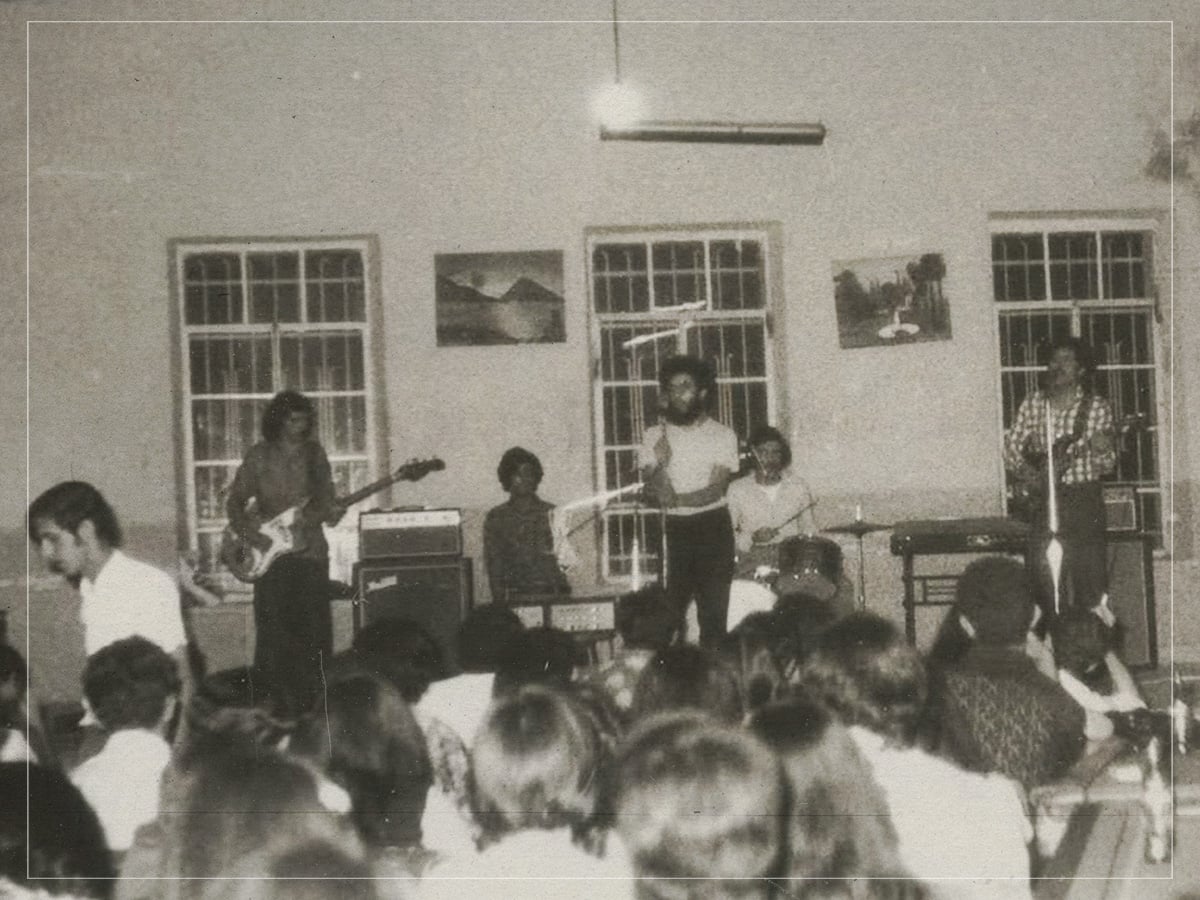
If the entirety of Palestine’s rock and roll revolution can be pinned on the work of one band, then that band is invariably Al-Bara’em (The Blooms, when translated from Arabic). Formed in mid-1960s East Jerusalem, united under a common adoration of the rock and roll sounds emerging from Britain at that time – seemingly, nobody could escape the world domination of The Beatles or The Rolling Stones – the group started out life as little more than a cover band.
As the months marched on, however, performing covers of ‘Twist and Shout’ and ‘She Loves You’ just wasn’t doing it for them anymore, so they began to draw upon their own cultural roots back in Palestine. In particular, the group began performing rock-centric covers of Arabic music icon Fairuz. Although this work didn’t bring the band fame or fortune, it did essentially set the wheels in motion for other Palestinian artists to begin their own rock and roll rebellion.
Sabreen
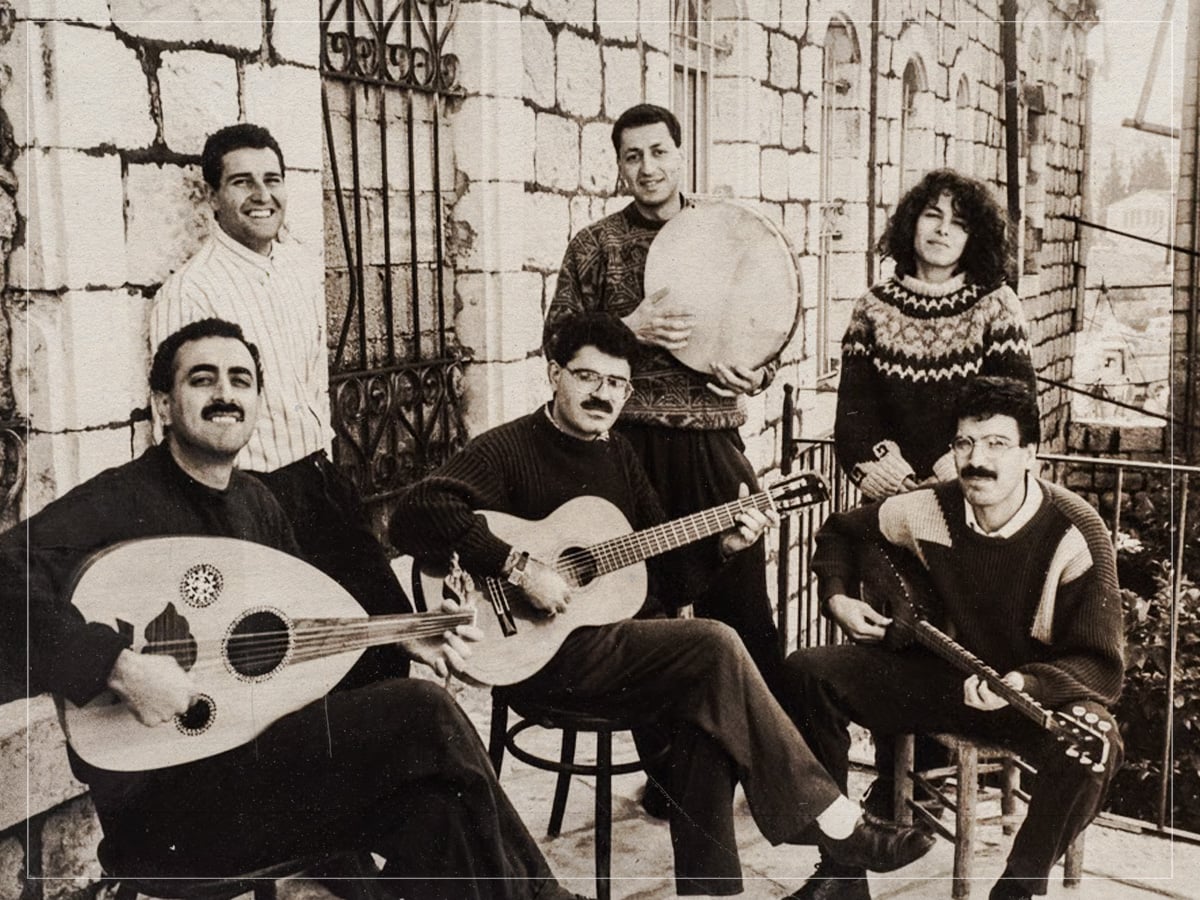
Aside from the likes of Al-Bara’em back in Palestine’s swinging sixties, the prevailing music of Palestine in the following years was marked either by unwavering and historically accurate dedication to the nation’s traditional folk sounds, or Westernised rock and roll, completely detached from the cultural roots of Palestine. When Sabreen came along in 1980, however, they altered those artistic attitudes indefinitely.
Crafting an impossibly expansive sound, Sabreen drew upon everything from African rhythms, American blues, and British rock, yet managed to maintain the constant overtones of Palestine’s rich folk history, often using traditional Palestinian instruments in the pursuit of their otherworldly creations. First emerging as the brainchild of Said Murad, Sabreen went through a rotating cast of musicians over the course of their existence, spanning over 20 years.
Today, their legacy lives on through the enduring brilliance of their output, and through the non-profit Sabreen Association for Artistic Development, which has been supporting Palestinian artists since back in 1987.
Haya Zaatry
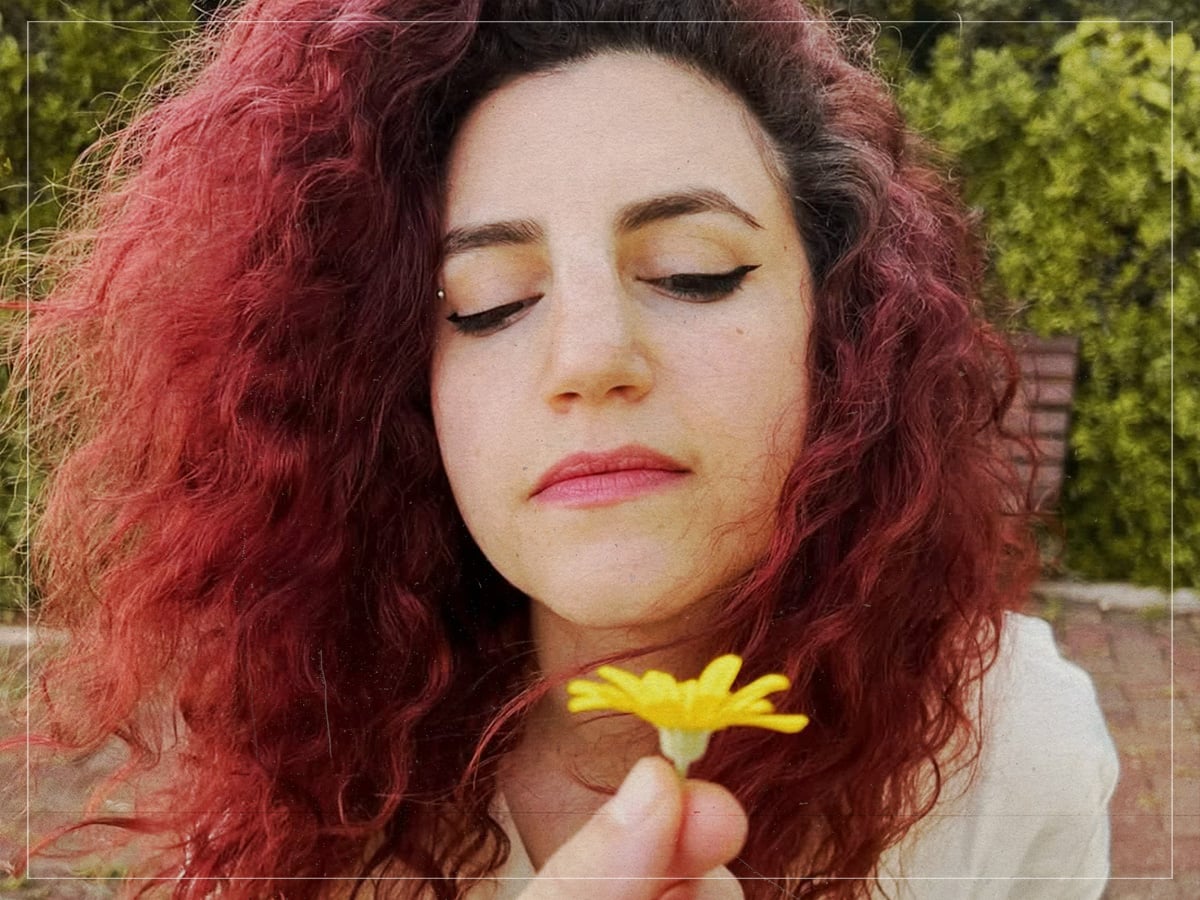
Since her inaugural releases back in 2021, Haya Zaatry has consistently reaffirmed herself among the most exciting new voices in Palestinian music. Crafting a range of pulchritudinous indie-folk odysseys, including her masterful debut album Rahawan, Zaatry’s work is rooted in an unending love and appreciation for her home in Haifa, but her voice has a kind of universal power which ultimately transcends national borders.
Sonically, her work is predominantly indebted to the nation’s centuries-old folk traditions, and that atmosphere certainly comes across in the material. However, Zaatry is not an artist afraid to innovate, either. Embracing the typically western sounds of indie-folk, the vocalist and songwriter lands upon the kind of musical fusion which cannot help but stop listeners in their tracks.
Despite social media posts hinting at a new album in the works, Zaatry has not posted to her channels in over two months, so her current situation is ultimately (and tragically) unknown.
Nø Man
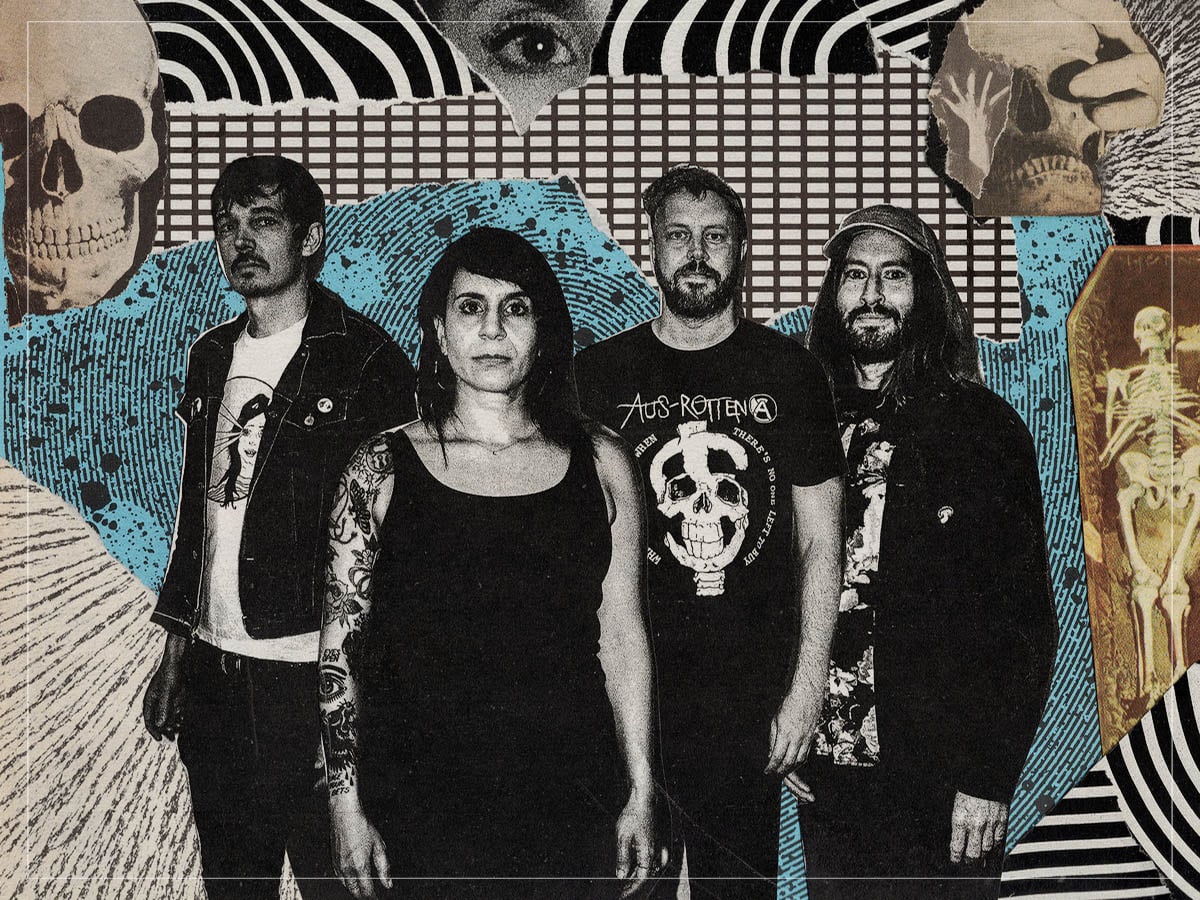
In addition to the countless incredible artists existing and working in Palestine and its surrounding areas, the musical landscape of Palestine is also being kept alive by its extensive diaspora, which spreads far and wide across the globe.
One such key example is the Washington, DC hardcore outfit Nø Man. With Maha Shami at the helm, the group has been a constant voice of defiant support for the people of Palestine, owing both to a basic sense of human empathy and to Shami’s cultural heritage as the daughter of refugee parents who fled persecution in Palestine.
Since 2017, Shami has channelled both her anger at the erosion of her heritage and a liberating message of support and defiance for the Palestinian people into the discography of Nø Man, with results that are as empowering as they are energising.
Hardcore punk, again, shares little in common with the musical traditions of Palestine, but the inherent anger, alienation, and self-fulfilment which the scene has been imbued with since its earliest origins seem naturally suited to the position of the Palestinian people and their diaspora in the modern day.
47Soul
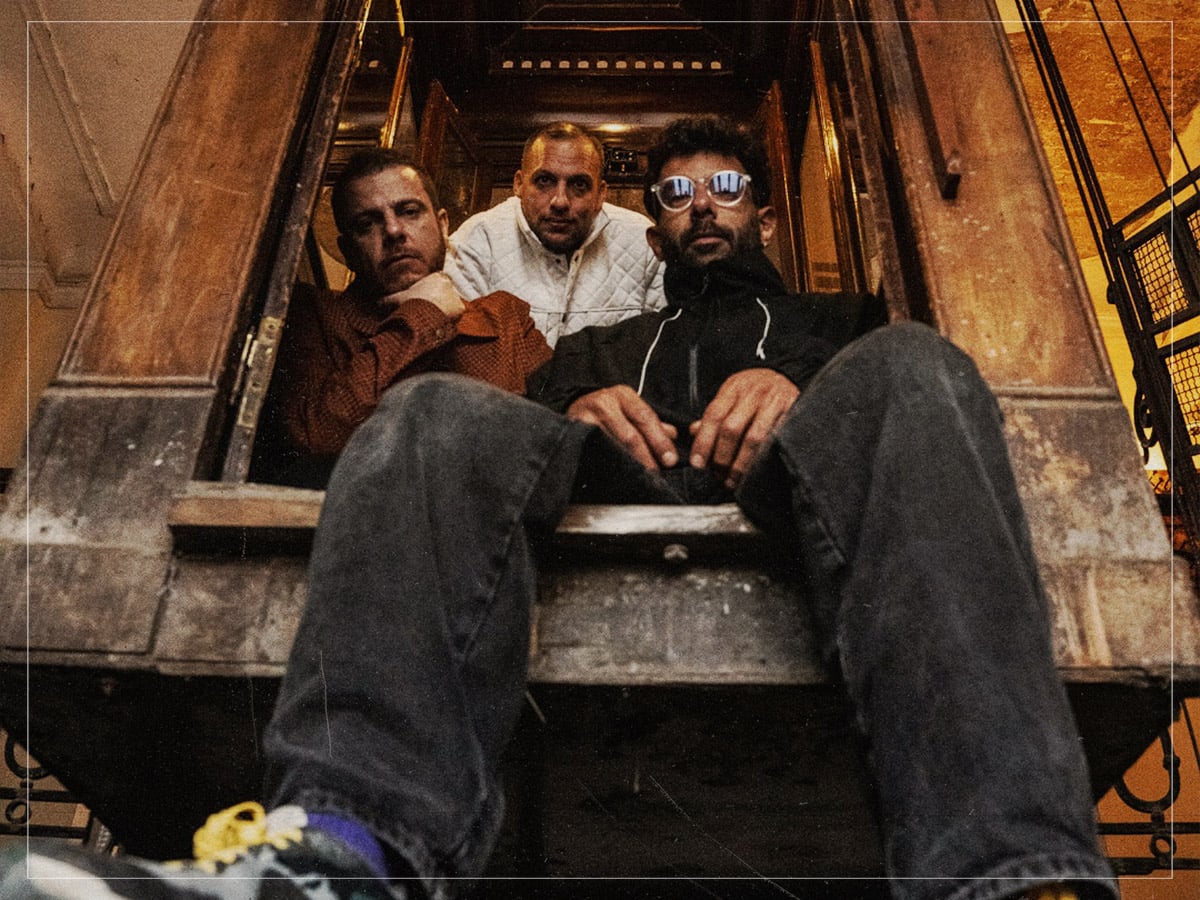
Dance music perhaps isn’t your first thought when thinking about Palestinian music, but, in fact, the history of the land is invariably tied to dance music in one form or another – going right back to the poetry and worship songs of those Bedouin tribes. In the modern age, it is groups like Ministry of Dub-Key and 47Soul reinventing the perceptions of Palestinian dance. For over a decade, 47Soul have been key voices in the Shamstep scene – a blend of Palestinian mijwiz folk music and electronic dance music, and the results largely speak for themselves.
Dance music transcends borders and ethnicities, and 47Soul are a fantastic example of the style’s unifying power. Their work exists in a kind of beautiful defiance against the oppression and horror faced by the Palestinian population on a daily basis, and now, their work is infecting dancefloors all across the globe. In recent months, for instance, the group found new audiences supporting Bristolian trip hop icons Massive Attack.
