


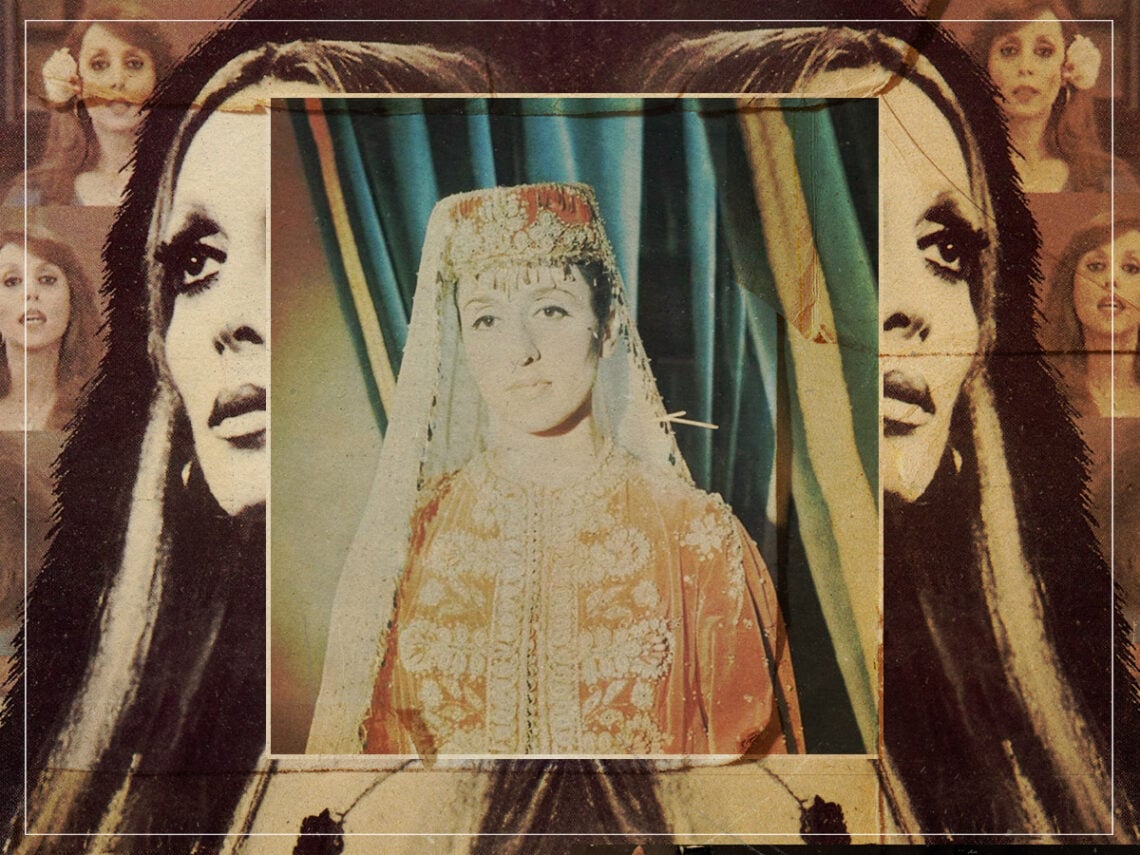
Fairuz: The Arab vocalist who provided a voice to Palestinians

As a renowned musician, it can often be easy to get swept up in the glitz and glamour of life in the music industry. Once you reach a certain level of fame, your ability to relate to everyday people and speak to their concerns is somewhat limited. There are, however, those artists who do not let fame and riches jade their consciousness; who use their music and career as a platform to bring attention to important issues in society and politics. A prime example of these socially-conscious stars is the Lebanese vocalist Fairuz.
Today, Fairuz is among the most recognisable and renowned artists in the entirety of the Arab world, having released over 80 albums and amassing legions of dedicated fans in the process. Despite her intense level of fame and commercial success, however, Fairuz has always been politically minded, often using her music and persona to bring attention to important social issues, particularly during the period of the Lebanese Civil War.
Originally, Fairuz – born Nouhad Wadie Haddad – began her performing career during the latter part of the 1950s. A regular performer at the Baalbeck International Festival in the Beqaa Valley, the vocalist wasted no time in introducing audiences to the incredible quality of her voice and music. During these years, Fairuz performed with Mansour and Assi Rahbani, the latter of whom she ended up marrying in 1955. Part of what made Fairuz so popular, aside from her ethereal vocal performance, was the fact that she was unafraid to voice her personal and political views.
The years leading up to the outbreak of civil war in Lebanon in 1975 were incredibly divided. Cities, streets and families were split in half by the war, and the political views which separated the two sides. A key aspect of this division was attitudes towards the Palestinian population, many of whom had fled to Lebanon following the emergence of conflict with Israel in 1948, and the acceleration of that conflict during the mid-1960s.
While many artists around that time might have been apprehensive to bring attention to the struggle of Palestinians, for fear of alienating certain audience members, Fairuz had always voiced her support for the Palestinian people. Even in the face of widespread support for Christian nationalist militias during the civil war, Fairuz’ support for the oppressed people of Palestine never wavered. Importantly, too, the vocalist chose to remain in Lebanon during the many years of war, in contrast to many of her contemporary artists and performers.
The importance of Fairuz remaining in Lebanon during the civil war cannot be overstated. It allowed the singer to increase her reputation among audiences across the nation, but it also gave her a certain sense of authority; on many issues, Fairuz remained fairly quiet, never nailing her colours to one mast more than the other. As a result, the singer could appeal to both sides of the conflict, while consistently denouncing the war. For many people, the sweet sound of Fairuz’s voice was the only guiding light through the bloody conflict.
It was her performances and recordings through the civil war that helped to make Fairuz a household name in Lebanon, on both sides of the divide. Even in the years after the war ended in 1990, she remained incredibly important to the cultural fabric of Lebanon. She has also been honoured multiple times by the people of Palestine, for helping to give hope to a population that has been repeatedly stripped of any political or cultural voice.
