


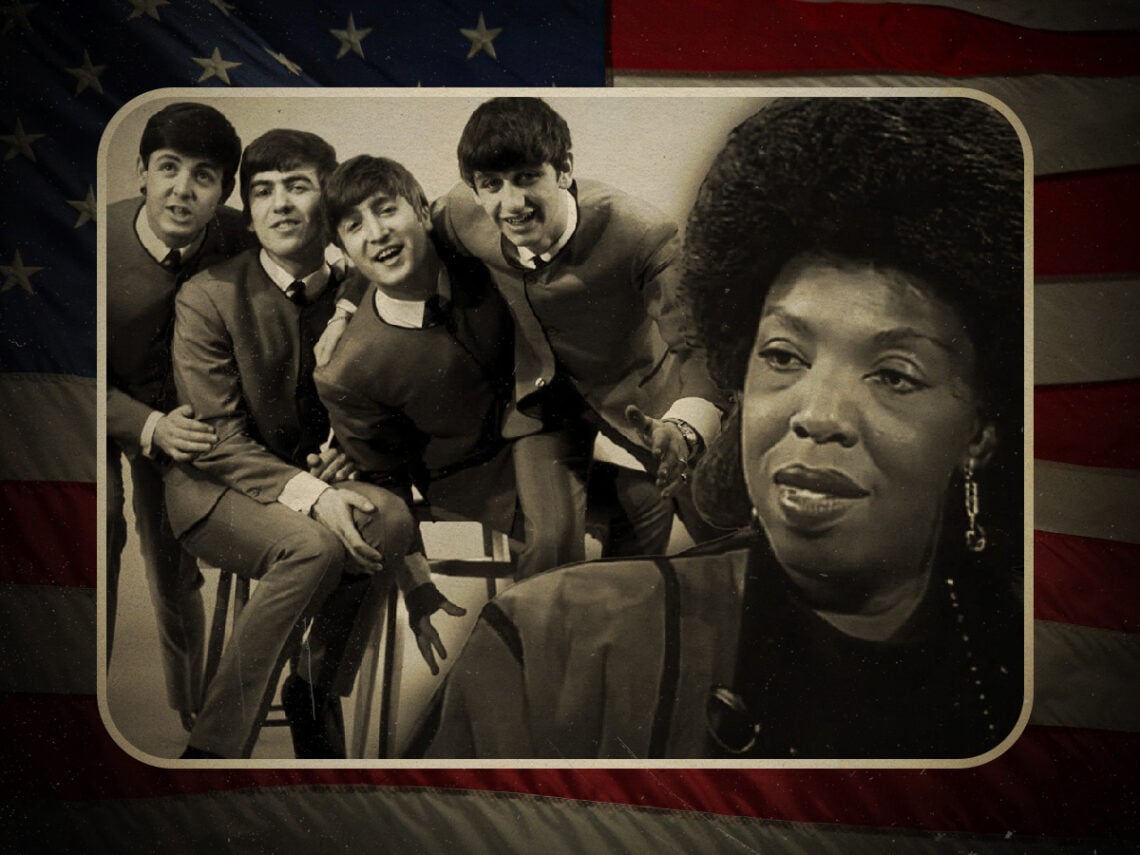
Barbara Gardner Proctor: The woman who brought The Beatles to America

She is arguably the single most underappreciated contributor to The Beatles’ rise to world domination, but it’s not entirely accurate to call Barbara Gardner Proctor a ‘forgotten’ figure in her own right.
As the first African-American woman to own and operate a major advertising agency in the US, she was an admired and celebrated public figure for much of her life, both in her hometown of Chicago and on the national stage. During President Ronald Reagan’s State of the Union speech in 1984, he singled out Proctor as one of five emblematic “heroes of the 1980s”, describing how she “rose from a ghetto shack to build a multi-million-dollar business”.
When Proctor died in 2018 at 86, most of the obituaries similarly emphasised that rags-to-riches story and her 1970 founding of Proctor and Gardner Advertising, Inc, a company that combined her own maiden name (Gardner) with the surname of her uninvolved ex-husband (Proctor); a single woman’s name on the door, she theorised, would have scared off too many clients. Born during the Great Depression in Black Mountain, North Carolina, she grew up in abject poverty, with no electricity or running water in her home, primarily raised by her grandmother, Carrie Lee Baxter, whom she credited with giving her “the most important thing a person can have: self-confidence”.
“Whenever people would pat my head and say, ‘She’s cute’, [my grandmother] would object,” Gardner told the San Antonio Express-News in 1984, “‘She’s not cute, she’s smart!’ She made me feel I could handle anything if I put my mind to it.”
That determination led Barbara to attend Talladega College, a historically Black private college in Alabama, where she earned degrees in English, education, and sociology.
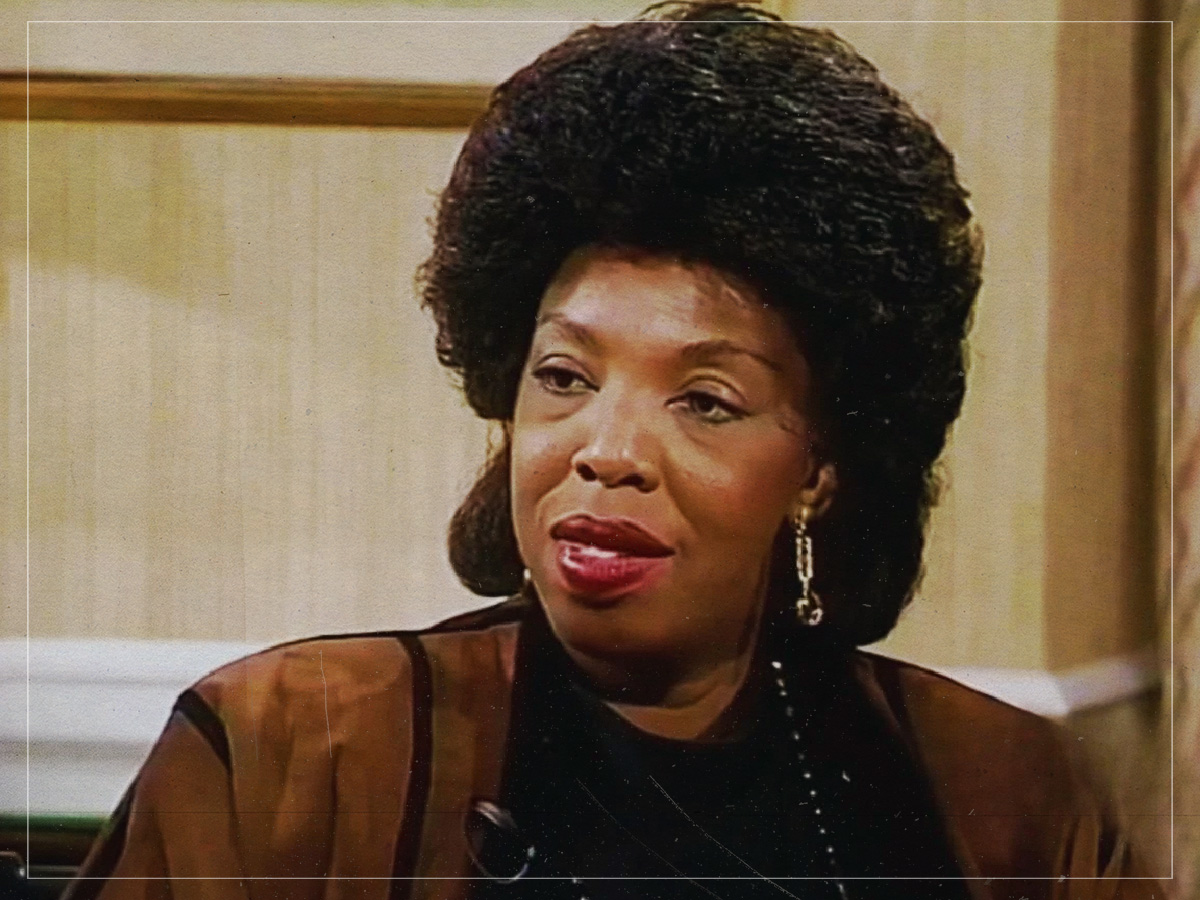
“Back then, the only things Black girls could aspire to be was a hairdresser, a teacher, or a nurse,” she later told the Chicago Tribune, admitting that she had reluctantly planned to return to North Carolina and start teaching. After spending a summer as a camp counsellor in Michigan, however, Barbara got off a bus in Chicago on the way back and wound up spending all her money on clothes for her teaching job. She couldn’t even afford the bus fare back home.
“While waiting to get some money, I volunteered at the old Chicago Urban League and was totally amazed when they gave me a check,” she later recalled, “I thought I was volunteering and found out I had a job!”


This was the late 1950s, during the rise of Chicago’s unparalleled jazz and electric blues scene, and Gardner Proctor soon became a devoted fan, attending local gigs, writing freelance articles for the esteemed jazz magazine Downbeat, and listening to the amazing sounds on late night radio during her graveyard shift at the Urban League, particularly enamoured with a radio DJ named Sid McCoy, who also ran a record shop in town. Rather than merely going there to meet McCoy and get an autograph, though, Barbara saw the chaotic state of his record store and volunteered to set up a filing system and get the whole stock inventoried. It took her two months, but in the process, she won the respect of McCoy, who introduced her to his friends at one of Chicago’s emerging black-owned record labels, Vee-Jay.
She started out writing liner notes for Vee-Jay albums by the likes of Jimmy Reed, John Lee Hooker, Memphis Slim, and Jerry Butler, and soon found herself elevated to the role of Public Relations Director, with an emphasis on the company’s international marketing efforts. By this point, Gardner was also a contributing editor at Downbeat during one of the most exciting periods in jazz history.
On any given day, she might be interviewing a legend like Sarah Vaughan for her magazine, then jetting off to Europe for her label the next morning, looking to “make some trades”, as they would have said at the time. The goal for a lot of small record labels was to work out distribution deals with other labels overseas, often by agreeing to do an equivalent favour for one of that label’s bands; it was, essentially, a musical exchange programme.
Barbara Gardner Proctor, the girl from the shack in North Carolina, was now a jetsetter, flying across the Atlantic at least four times a year as Vee-Jay’s PR director. She had only just turned 30 years old, but with Vee-Jay now touting one of the hottest groups in America, Frankie Valli and the Four Seasons, she had a considerable amount of negotiating leverage when she landed in London in December of 1962. Courting offers and spinning discs, she was convinced that a new single called ‘Love Me Do’, which was a moderate hit on the UK charts at the time, had a whiff of potential to it.
“So I made a deal with EMI Records in London to trade the Four Seasons records for The Beatles, who at the time were unknown,” she recalled in a 1989 CSPAN interview, “And it was a wonderful coup, except I have to say that I didn’t think too much of it at the time, because I only signed [The Beatles] to 30 sides; you know, we don’t want to take any chances on this!”
Had this been even a year later, Gardner Proctor would have flown home feeling like she had the golden fleece in her carry-on bag. But, as she freely admitted later, the trip had just been another record trade like any other, with Barbara doing her best to put Vee-Jay in an advantageous position in both America and abroad. If the executives at Vee-Jay saw the mop-topped English quartet as their next big money-makers, they had a weird way of showing it. When the label put together a small run of seven-inch singles for ‘Please Please Me’ in February of 1963, they sent the first pressings out with the band identified as “THE BEATTLES” with two Ts. It was one of those mispelled discs that radio DJ Dick Biondi spun during his show on Chicago’s WLS station, marking the first known broadcast of a Beatles song on American radio.
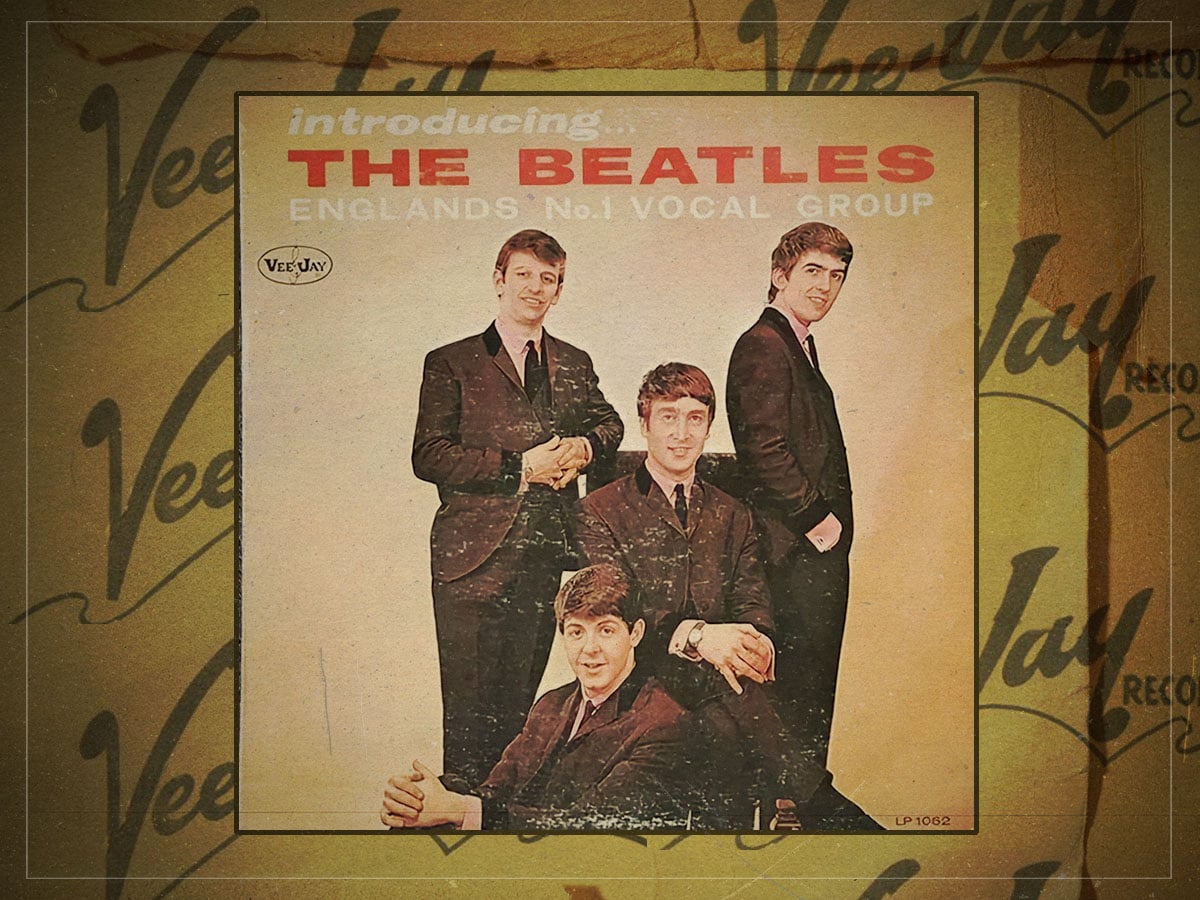
Unfortunately for Vee-Jay, listeners didn’t immediately go batty for the Beattles [sic], and ‘Please Please Me’ got no higher than the number 35 spot on Biondi’s show. The next Fabs single, ‘From Me to You’, flopped as well, and it started to look like Barbara Gardner Proctor might have swung and missed on her gamble. Suffice it to say that the story began to change dramatically toward the end of 1963, as Beatlemania exploded, and by the start of 1964, Vee-Jay was in a mad dash to release the first full-length Beatles LP in America before the mighty Capitol label, which had now purchased its own stockpile of new Beatles recordings, could beat them to it. Shockingly enough, Vee-Jay’s comparatively DIY Chicago operation succeeded, releasing Introducing the Beatles just days before Capitol’s Meet the Beatles in January of 1964, leading to a huge cash windfall for the Chicago indie label.
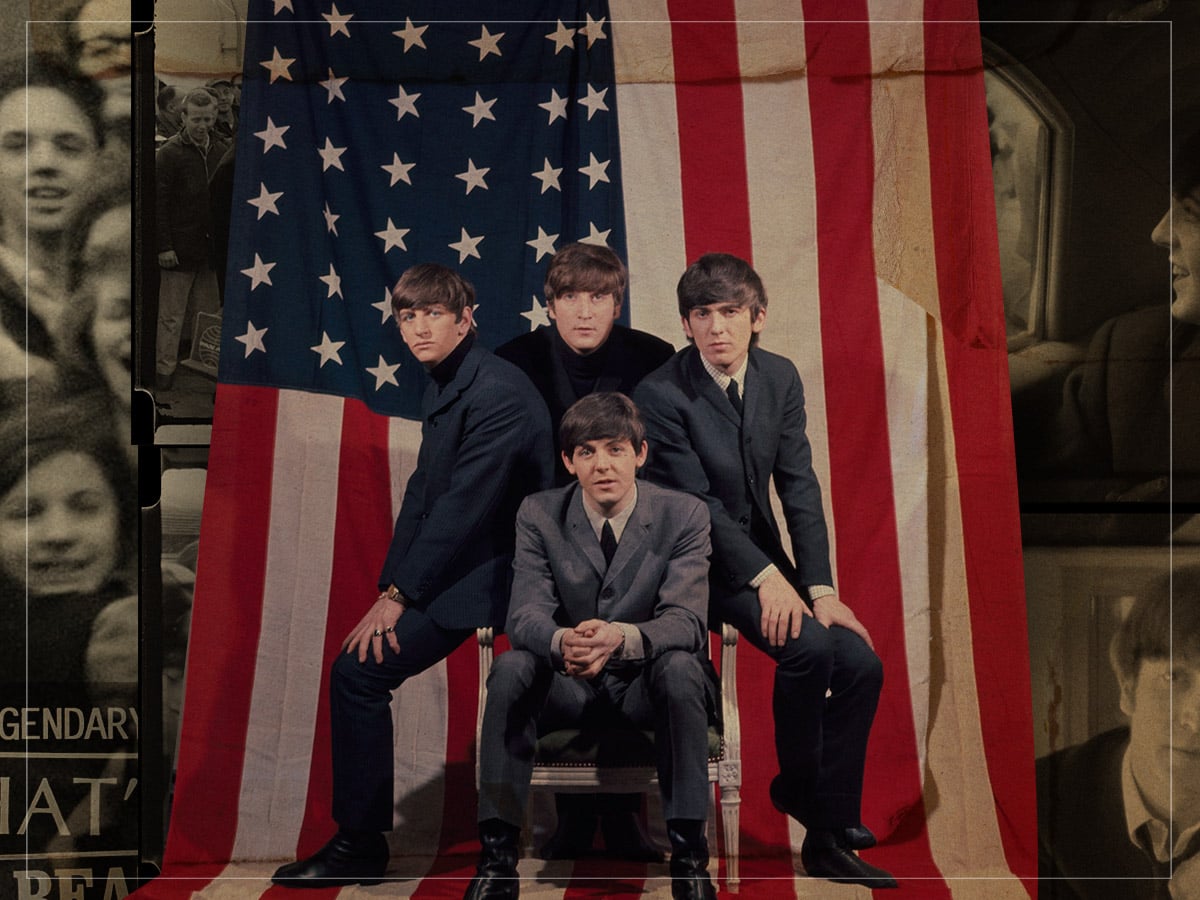
Unfortunately, some mismanagement of funds at the Vee-Jay offices, combined with a parade of legal challenges from Capitol, made the celebration depressingly brief. As the company began to sink financially, Barbara Gardner Proctor, newly divorced from her jazz road manager husband Carl Proctor, decided to leave the business and explore new horizons, joining a Chicago ad agency as a copywriter, and continued to learn the ropes through the 1960s, giving her the connections and know-how to start her own business in 1970. By that point, she also could tell would-be clients that her marketing savviness included a rather unique feather in the cap: being the woman who brought The Beatles to America.
As the years passed, Gardner never complained about not getting enough credit for that distinction, either. Instead, she said that The Beatles themselves “will never get the credit they deserve” for “breaking down the barriers between people”, and that’s what made her most proud about playing a role in bringing their music to American ears.
“[The Beatles] made it alright for people to have a dialogue between each other and come together and laugh and talk and share an appreciation for each other,” she said in 1989, “I think the fact that they were not American artists made a difference, too, because they weren’t bringing along American baggage when they came here. They expressed a tremendous respect for black music; they were not ashamed of it, and they did not feel threatened by it. They simply expressed it, and that made it okay for a whole generation of other people to do that. Once you have people playing together, enjoying something together, sharing common experiences together, they cannot ever again hate in that same way that they can when they are ignorant of each other. Knowledge reduces the level of hatred tremendously.”
If you’re ever in Chicago, you can see where Barbara Gardner Proctor started her historic ad agency, in a small office above the famous Pizzeria Uno restaurant at Ohio Street and Wabash Avenue. The old Vee-Jay Records offices, meanwhile, were located at 1449 S Michigan Avenue, just a half mile north on the same street where the legendary Chess Records also operated.

Never Miss A Beat
The Far Out Beatles Newsletter
All the latest stories about The Beatles from the independent voice of culture.
Straight to your inbox.