


“Strange”: the two bands Ozzy Osbourne never wanted Black Sabbath to become

No one sounded like Black Sabbath until Black Sabbath came along in 1970.
While the ‘60s were indeed awash with endless bands and artists breaking new musical ground, nothing prepared the world for Sabbath. They may have thought they were after the endlessly spiralling worlds of The Beatles, the introspective genius of Bob Dylan and Joni Mitchell, or the psychedelic reverence of Jimi Hendrix. It felt like there was nothing more to achieve in music.
But then the decade turned, The Beatles broke up, and the colourful horizon of the counterculture movement began to recede. Rock would indeed enjoy another decade of celebration, but in a much darker and more furious societal landscape. It needed to evolve in a way that encapsulated the energetic fury of this new world, and so Black Sabbath stepped forward to do so with their invention of heavy metal.
Downtuned guitar riffs met devil occult imagery to create an increasingly dark picture of rock and roll, which was boldly led by Ozzy Osbourne. Between their debut album and sophomore Paranoid, both released in ‘70, they laid down a blueprint that bands thereafter would follow.
In fact, it wasn’t long until Queen emerged onto the scene with their ‘73 debut album, harnessing that same heavy, menacing, and blues-tinged template which mirrored the early essence of Sabbath’s heavy metal energy.
But music in the ‘70s was fast changing and ever evolving, leaving Sabbath soon in the wake of a scene they helped create. Come the final stages of the decade, they were staring down the barrel of irrelevancy, scratching at the kernel of any idea they could possibly find to help shift their future and wondering how the tables had turned in such a way that they were now following trends.
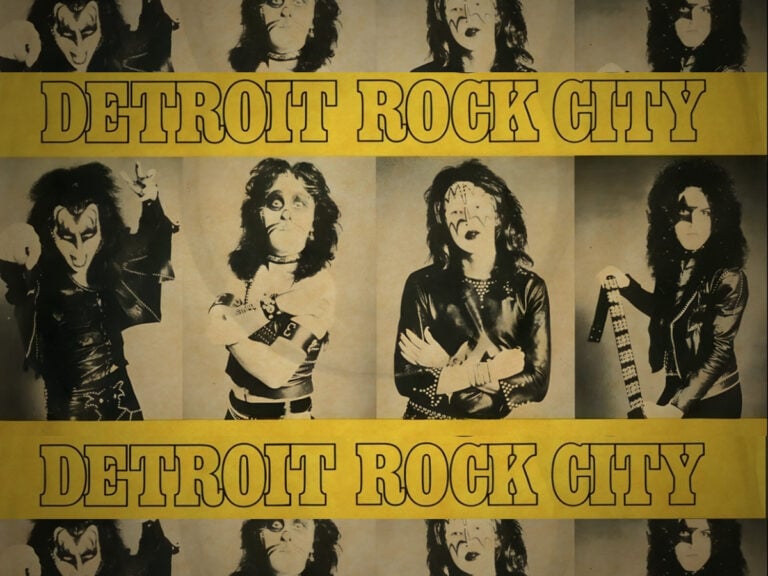
During the recording of their seventh album, Technical Ecstasy, Osbourne grew tired of his bandmates citing other bands as influences. He explained, “Tony was always saying, ‘We’ve gotta sound like Foreigner’, or ‘We’ve gotta sound like Queen’. I thought it was strange that the bands we’d once influenced were now influencing us.”

While burnout and drug abuse were largely to blame for the dwindling powers of Sabbath come ‘76, Osbourne’s point highlighted a key change in their musical approach. The complacency of their stardom had removed that hardened edge of urgency that made them such a vital band in the first place.
Because those first two Sabbath albums were the sound of a band living on the edge of desperation and glory, channelling nothing but their music to both make a life for themselves and contribute to the wider political conversation. They had their boots on the ground and guitars in hand, delivering a visceral and unflinching portrayal of the very real lives being lived in both Britain and America.
Suddenly, success changed that. They had none of the real experiences that helped shape their early music, and suddenly their source of inspiration was pastiche rather than honesty, and once that shift took place, Sabbath were never the same again.
