


The band Phil Collins realised was trying to destroy Genesis: “We were the enemy”

Rock and roll has always been about competition. Although the art of creating musical magic doesn’t lend itself to competitive grudge matches all that often, making a single that’s good enough to beat anyone else on the charts has become a foundation of the music scene for decades.
Although prog-rock doesn’t always lend itself well to chart potential, Phil Collins admitted to having a true musical nemesis in the late 1970s.
For much of the decade, progressive rock had occupied a dominant position within British music, with bands like Genesis, Yes and Emerson, Lake & Palmer pushing technical musicianship and ambitious compositions to new extremes. By the time punk emerged, however, many younger listeners viewed those same qualities as symbols of excess and self-indulgence, setting the stage for a cultural clash.
When Collins entered the business, though, he wasn’t initially looking to make progressive rock. Working as a sideman for various artists, everything started to fall into place when Collins found himself with Tony Banks and Mike Rutherford. Forming the basis of Genesis alongside Peter Gabriel, much of the band’s work involved covering every single detour they could think of, whether that meant stretching their songs to colossal proportions or going outside the realms of traditional instrumentation.
While Collins was up for making whatever music suited the song, the band were thrown for a loop when Gabriel announced his departure. Wanting to spend more time with his family, Gabriel thought he didn’t have the proper time to commit to the band anymore, which would cast doubt on the future of Genesis’ development.
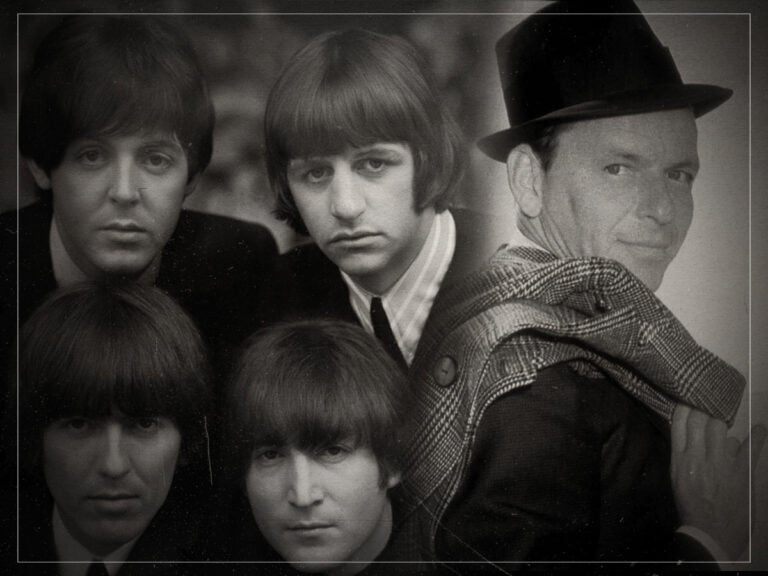
Since Gabriel was the eccentric frontman known for outrageous outfits, the band would have to find someone who could match Gabriel’s vocal abilities and stage presence. Luckily, the replacement was already in the band, with Collins stepping up to the microphone because, by his own admission, they couldn’t find anybody else to replace Gabriel.
Collins’ promotion to frontman ultimately changed the trajectory of the band. His more direct vocal style and natural stage presence helped Genesis transition away from some of their more theatrical tendencies, laying the groundwork for the commercial success that would follow in the years ahead.


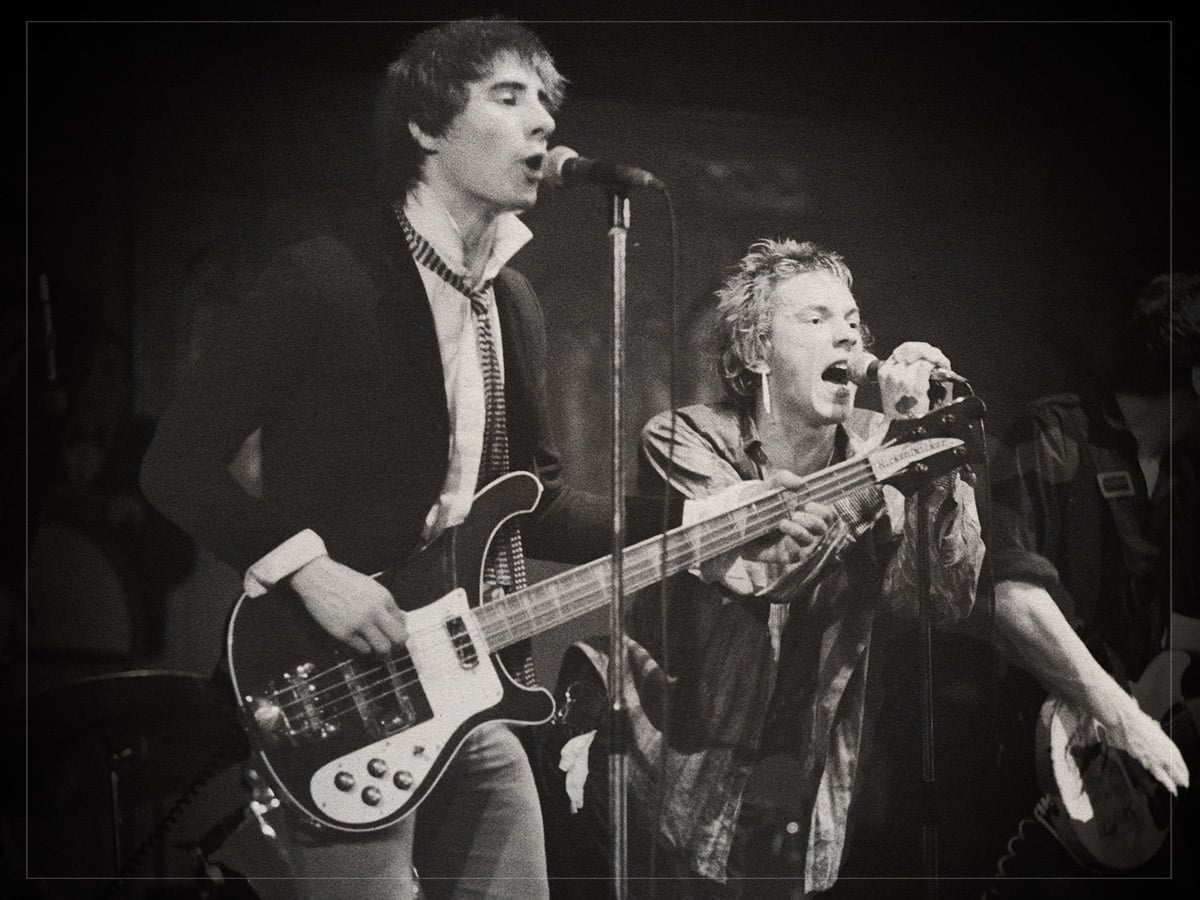
Although the band would be greeted with open arms on their first few tours for albums like A Trick of the Tail, another central turning point was happening for rock and roll. In the underground music scene, bands like Sex Pistols and Ramones were emerging to make a straightforward answer to the kind of progressive music Collins stood for.
Instead of playing the mile-long solos and stretching their songs out over ten minutes, the punk movement was about bringing everything back to basics, making tracks that were punchy and cut to the bone with lyrics that had to do with destruction and reform. When Collins first laid eyes on Sex Pistols, he knew that the band had an adversary on their tail.
After becoming one of the biggest acts in the world, Collins would say that Sex Pistols turned them into the enemy of pure rock music, saying, “I realised we were the enemy. We were the people they were trying to get rid of in a way. It was a fashion thing. I thought it should be treated as that. It was obviously out of that kind of noise.”
Even though Collins admitted to not being the most well-versed in punk rock, he did think that the band’s debut record, Nevermind the Bollocks, was excellent in retrospect, explaining, “I mean the sound of the Sex Pistols, I thought they had a fantastic sound. When you hear the Sex Pistols’ Never Mind The Bollocks record, it was very well produced. I don’t think that The Pistols were noisy. I think the Pistols are a great band.”
Collins would continue to weather through the punk wave and even score significant hits in his solo career, but the tides were slowly changing. As much as prog rock dominated the first half of the 1970s, the surge of punk tore down every pretentious artist looking to make their magnum opus.
Despite predictions that punk would permanently bury progressive rock, Genesis adapted more successfully than many of their contemporaries. The band evolved alongside shifting tastes, eventually becoming one of the biggest acts of the 1980s. In hindsight, the arrival of punk was less an ending than a challenge that forced artists like Collins to rethink their approach and find new ways to connect with audiences.
