


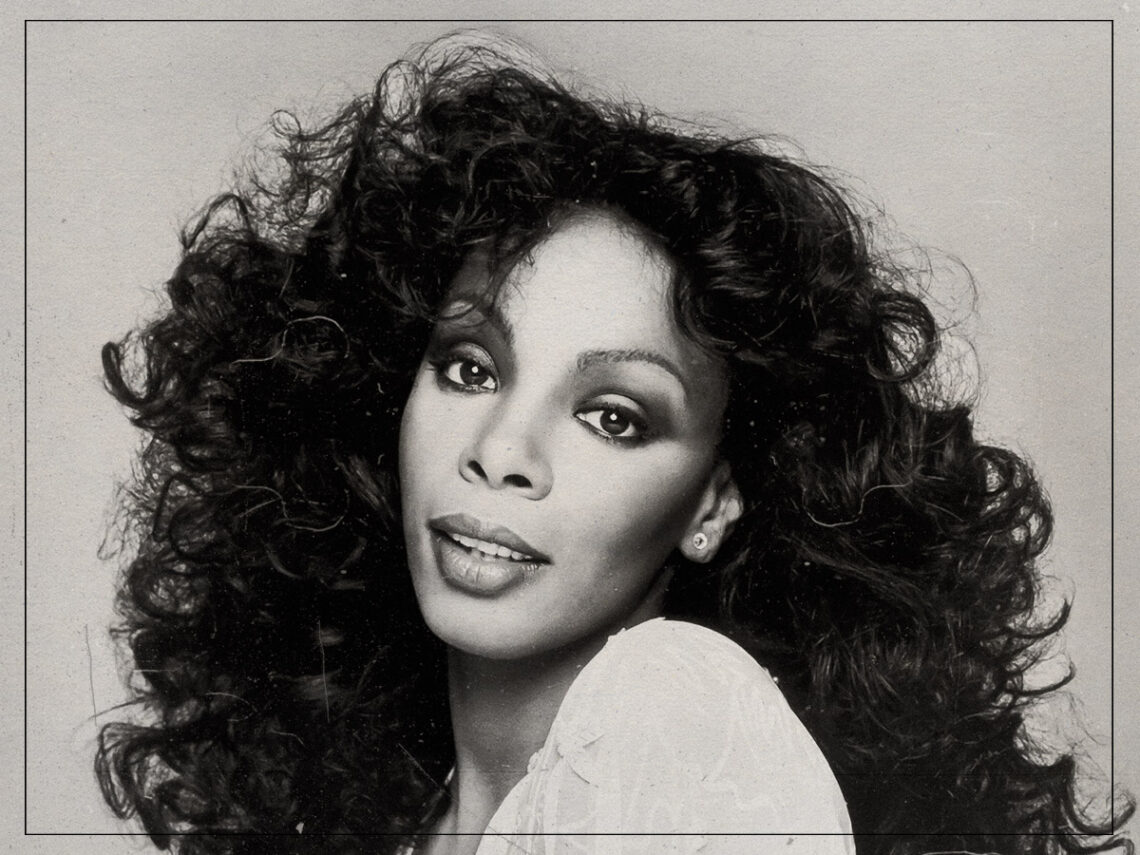
‘Bad Girls’: How a Donna Summer masterpiece transformed America

By 1979, Donna Summer had already earned her mantle of ‘Queen of Disco’ several times over. Crossing paths with British songwriter Pete Bellotte and Italian producer and electronic maestro Giorgio Moroder, the trio would craft essential numbers for the Studio 54 dancefloor, Summer swiftly jumping to New York’s Casablanca Records and conjuring dazzling disco hits such as ‘Love to Love You Baby’ and ‘Try Me, I Know We Can Make It’.
It’s the second single from 1977’s semi-conceptual I Remember Yesterday that would stand as both Summer’s and Moroder’s enduring achievement. Representing the so-called ‘futuristic’ segment of the record’s pop wander across musical history, ‘I Feel Love’s Minimoog electro-pulse breathed new life into disco’s orchestral-focused strut, Summer perfectly fronting the hypnotic synth-NRG with her seductively cooing vocals and shimmering, angelic tones.
While disco hadn’t completely run out of steam, other chart challengers from heavy metal and new wave prompted the trio to imbue seventh LP Bad Girls with a slightly rockier heft to straddle the two clashing subcultures. It paid off handsomely, lead single ‘Hot Stuff’ boasting The Doobie Brothers and Steely Dan guitarist Jeff ‘Skunk’ Baxter and pushing the cut to the top of the Billboard Hot 100, the album itself shooting to number one in America.
Bad Girls’ centrepiece is its title track. Dropped two months after ‘Hot Stuff, ‘Bad Girls’ captures the album cover’s streetlit, neon-flashing urban grit the most evocatively. Possessed with a Downtown piano stomp, bawdy brass section, and zesty whistles, Summer slips into the role of her alluring artwork alter-ego with effortless sass, fronting the flavoursome disco stomp with her exquisite vocals and cool authority.
The roots of ‘Bad Girls’ go back two years earlier. While working at Casablanca’s Los Angeles office, Summer sent her secretary, Nellie Prestwood, the day’s itinerary, which involved heading down the city’s Sunset Boulevard, an area known for illicit services.
Once back, the young and Black female Prestwood had been harassed by the LAPD due to the assumption she was soliciting clients as a sex worker in the area. Enraged but inspired, Summer sketched out ‘Bad Girls’ lyrical foundations and ad-libbed much of the lines later in the studio.
Cutting a demo with the Brooklyn Dreams vocal group, who also shared songwriting credits, Casablanca boss Neil Bogart deemed the session too much of a rock deviation for release, and urged Summer to hand over the potential hit to LaBelle or Cher. Keeping the demo close to her chest, Bad Girls would prove to be the perfect foil for her raunchy yet sympathetic examination of ‘working girl’ culture, dusted off at Rusk Sound Studios and primarily handled by album arranger and future ‘Axel F’ keyboard whizz Harold Faltermeyer.
Plenty of songs about sex workers had littered rock and pop’s Billboard history, but none had offered a gesture of solidarity quite like Summer’s ‘Bad Girls’. Marking the end of her classic disco run, Summer’s lyrical unveiling of prurient authority and moral hypocrisy proved to be a global smash, ‘Bad Girls’ spending five weeks at the top of the Hot 100 as well as commercially riding high across Europe and Canada.
