


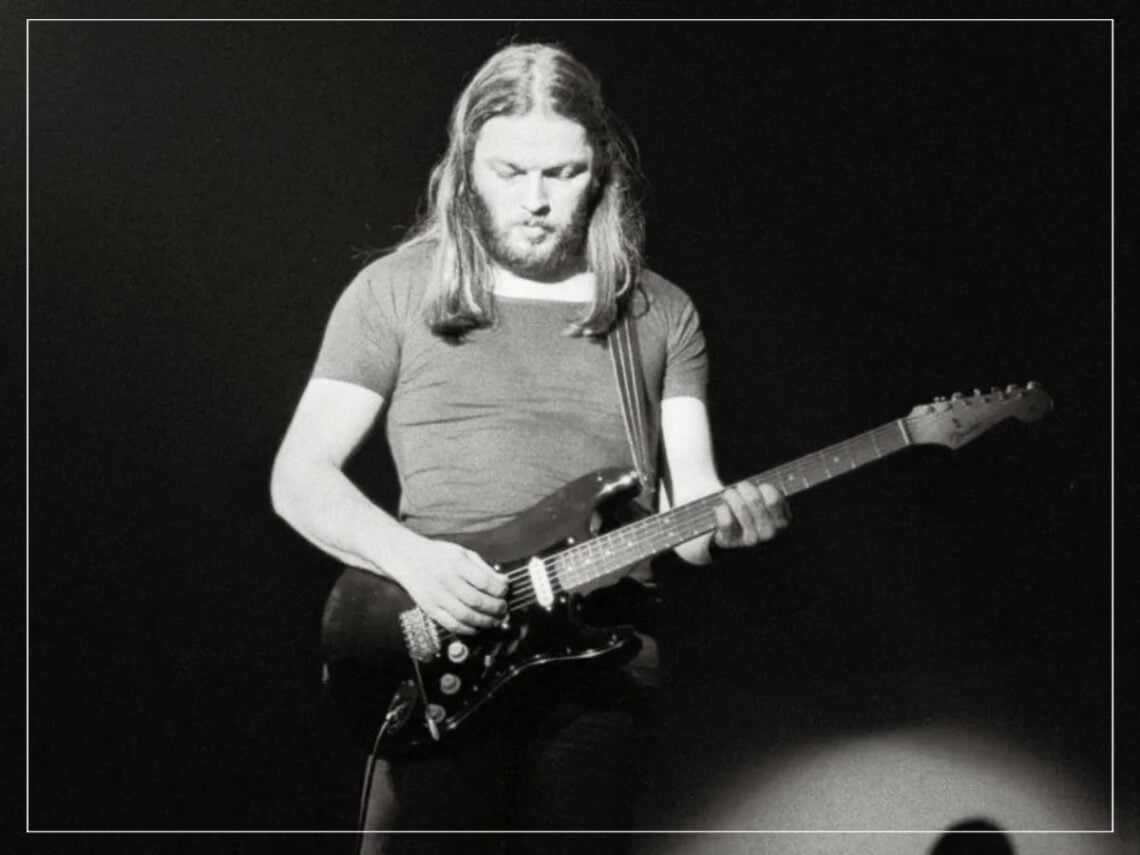
“Awful”: The Pink Floyd song that forced David Gilmour into listening to disco

Sometimes, a sense of partisanship in music can inject a little bit of fun into an industry inherently devoid of competition. Immediately, the mind races to the great Britpop feuds of the 1990s, where the charts became a football pitch for these two arch-nemesis to battle it out.
But, in the late ‘70s, musical partisanship reared its ugly head as rock and disco became embroiled in a bitter feud.
I say feud, it was more of a one-way attack from rock fans, who bludgeoned the emerging reputation of disco, which simply sought to evolve dance music into a more futuristic landscape that was befitting of metropolitan societies and, more importantly, an otherwise ostracised queer community.
It culminated in a truly dark Chicago evening where Chicago-based radio DJ Steve Dahl invited nearly 50,000 people to Comiskey Park stadium, where, armed with disco records in hand, they could storm the field and set them alight, in something akin to a Nazi book burning.
It was a stain on the spirit of rock and roll, completely undermining the mantra of sticking it to the man, which in essence revolved around rebelling against the established norms, which by 1977, was rock and roll.
But this attitude was led by a legion of rock and roll stars who were similarly turning their nose up at the genre. Likely worried about their place in chart relevancy and so threatened by the popularity of this burgeoning genre, rock legends cut down the credibility of disco in the very same way their forefathers sneered at their experimental brand of rock and roll.
But David Gilmour always felt a little bit more open minded than that, as one of the prog-rock pioneers, it was hard to imagine his mind in any other state than perennial openness. But the relatively rudimentary nature of disco music’s beat profile seemed to bother him to the point where he was ready to dismiss the genre altogether.
While working on ‘Another Brick in the Wall’, Pink Floyd’s slightly disco-tinged rock track, Gilmour remembered that the producer Bob Ezrin said, “Go to a couple of clubs and listen to what’s happening with disco music.”
Gilmour added, “So I forced myself out and listened to loud, four-to-the-bar bass drums and stuff and thought, Gawd, awful! Then we went back and tried to turn one of the parts into one of those so it would be catchy.”
Catchy was the word most rock legends smeared onto disco, in their vitriolic campaign against the genre. But I think for Gilmour, the hatred was rooted somewhere else.
‘Another Brick in the Wall’ was ultimately Roger Waters’ baby, who by 1979 was deeply embroiled in his rivalry with Gilmour, and so his championing of a relatively left-field idea was just an opportunity for Gilmour to stick the boot into his bandmate.
Ultimately, though, the song went on to be a hit for the band, with its catchy intentions landing on the social consciousness in exactly the way that Ezrin and Waters had designed.
