


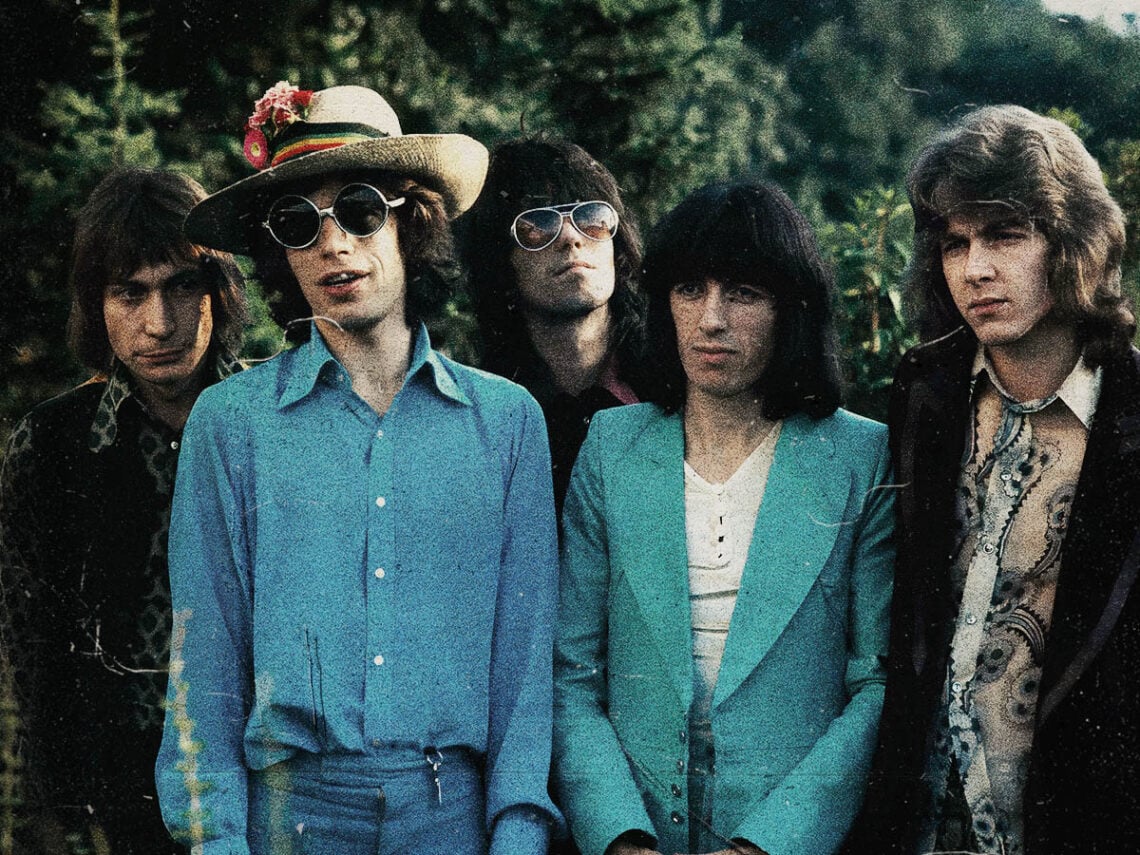
The “awful” cliché behind a classic song by The Rolling Stones

Any great writer will tell you that inspiration can come from the most unexpected places. For the songwriting partnership of Mick Jagger and Keith Richards, the pair have seemingly drawn upon everything from political struggles to sexual frustration. The writing partnership of the pair helped to establish The Rolling Stones as being among the most iconic rock bands of the 1960s, with that reputation soon seeing the Stones become a worldwide phenomenon, still relevant six decades later.
By the time the 1960s ended, rock music was at a crossroads. The youthful rebellion that has seen groups like The Who, The Kinks and, of course, The Rolling Stones rise in prominence had given way to the counterculture of psychedelia. For the most part, the Stones seemed to roll with these punches, releasing the seminal Their Satanic Majesties Request in 1967. However, with 1970 soon approaching, the record-buying public was yearning for something else.
Moving away from their disappointedly brief fling with psychedelia, the Stones set about recording one of their defining works, Sticky Fingers. Although the final product left little to be desired, the songwriting process seemed to be a case of trial and error. In fact, one of the band’s greatest works, ‘Wild Horses’ was initially discarded, deemed not worthy of being recorded.
Understandably, given both the age of the band and the vast amount of time they spent under the influence, the memory of ‘Wild Horses’ seems to be somewhat sketchy. Keith Richards’ account of the track’s construction differs from that of Jagger.
In a 1971 interview, the guitarist shared, “‘Wild Horses,’ we wrote the chorus in the john of the Muscle Shoals recording studio ’cause it didn’t finish off right”, suggesting the song was a collaborative effort between the two. However, Jagger remembers things differently.
In 1995, the frontman told Rolling Stone that he had written the bulk of the song independently, sharing, “He wrote the phrase ‘wild horses,’ but I wrote the rest of [the lyrics].” Whatever the reality behind the song’s writing is, it seems to have gone down well with Jagger. “I like the song,” he shared, “It’s an example of a pop song. Taking this cliché ‘wild horses,’ which is awful, really, but making it work without sounding like a cliché when you’re doing it.”
‘Wild Horses’, when it was eventually recorded and released by The Stones, affirmed the diversity of their talent. Not only could the band deliver adrenaline-fuelled rebellious rock and mind-bending psychedelia, but heartfelt ballads, too. The song proved popular with US audiences, reaching number 28 in the Billboard top 100 in 1971. Although the song failed to chart in their native land of the UK, Sticky Fingers spent three weeks at the top of the album charts.
