


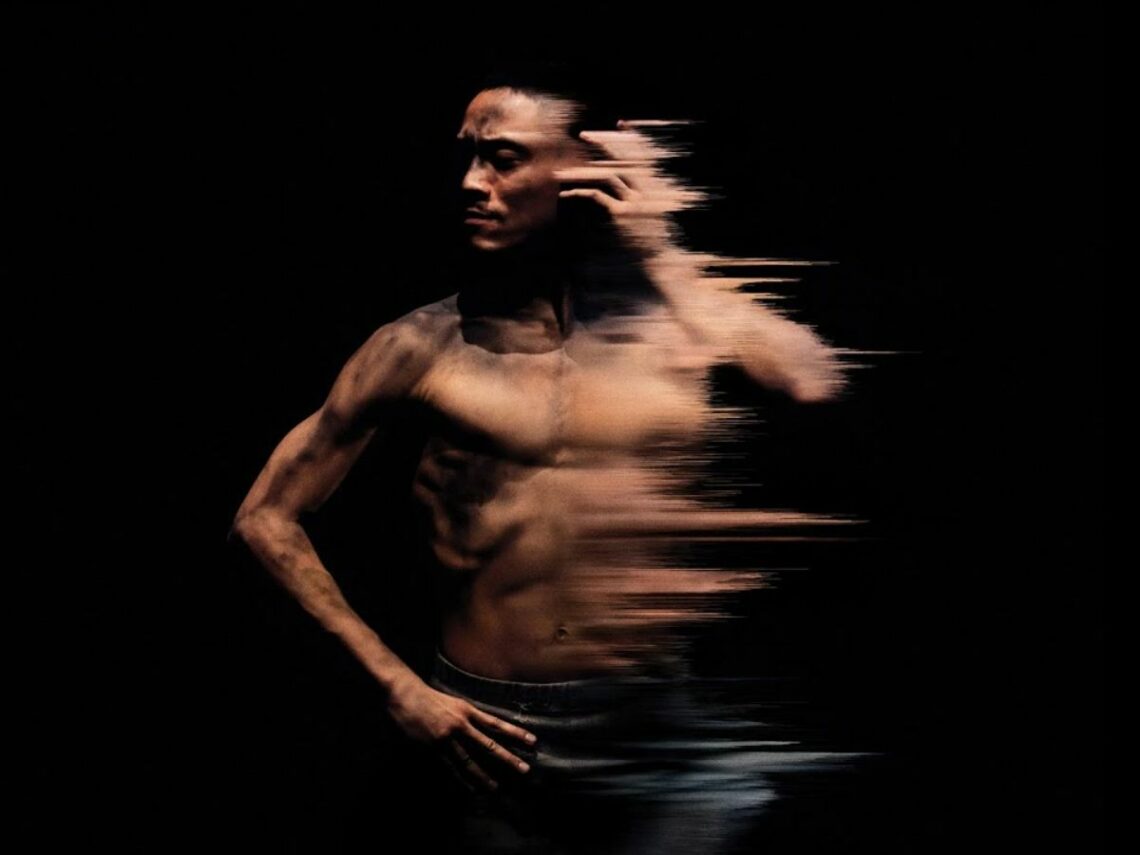
‘Creature’ Review: Asif Kapadia’s visceral celebration of cinema and ballet

Award-winning documentary filmmaker Asif Kapadia, known for his biopic documentary trilogy Senna, Amy and Diego Maradona, has delivered a gorgeous, compelling and visceral combination of art and storytelling in Creature. His latest BFI feature, based on an English National Ballet production of the same name, is something of transporting cinematic beauty, taking the art form to a place never seen before in contemporary cinema.
The ballet is Olivier Award-winning Akram Khan’s third work for English National Ballet, following Dust and his reimagining of Giselle, with the original stage production of Creature, which originally premiered in 2021, returning to the stage for a short run to coincide with the release of the film adaptation. The curious tale follows an experimental programme in a dilapidated former Arctic research station that enlists a young man named Creature (Jeffrey Cirio). Upon meeting Marie (Erina Takahashi), Creature falls in love with her kindness and compassion. Together, they dream of leaving their brutal lives behind them, and what a ruthless yet hypnotic presentation Creature is.
Kapadia has made the insightful creative choice of directing a cross-over of two cultured and divine art forms, showing his passionate knowledge of cinema and respect for dance. Ballet is an elegant artistic outlet comprised of dynamic talent from choreographers, score composers, set designers and dancers, and the same thing can be said about cinema with its directors, writers and actors, as both mediums are dignified in their artistry and collaborative process. Seeing the two come together as one captures the specificity of each form and presents how well the two complement one another in unison.
From a visual perspective, Creature embodies properties of both cinema and theatrical performance, with Kapadia harnessing the advantages of both mediums for his expressionistic tale. The opening scene sets the tone; natural lighting is used to illuminate stark shadows and accentuate the performer’s expressions. Cirio and Takahashi are dressed in minimalistic costumes of tarnished grey clothing and a pale nurse outfit to highlight their poignant emotion and movement as the only thing decorating the simple background. Everything is designed with cool and cold tones, which paint a picture of something uncanny but hold the potential to show something human.
The story’s tone is aligned and conveyed through the diversity of the choreography, as the movement of other characters beings to border on unconventional but still feels human, illustrating their contrast to the protagonist. Despite these apparent character differences, the synchronised choreography they come to share communicates the conceptual landscape of struggle, judgement, and conflict as the protagonist fights against adversity. All this is complemented by the sensational soundtrack composed by Vincenzo Lamagna, comprised of powerful instrumental violins and strings. The music is a stunning feature that heightens the beautiful movement, performances and visual design, striking each scene with something unapologetically electric.
A beautiful, tragic story about a dark outsider’s search for belonging and the innate human desire for power and compassion, Creature is a staggering piece of experimental British cinema that breathes life and purpose with every twirl, spin and pirouette.
