


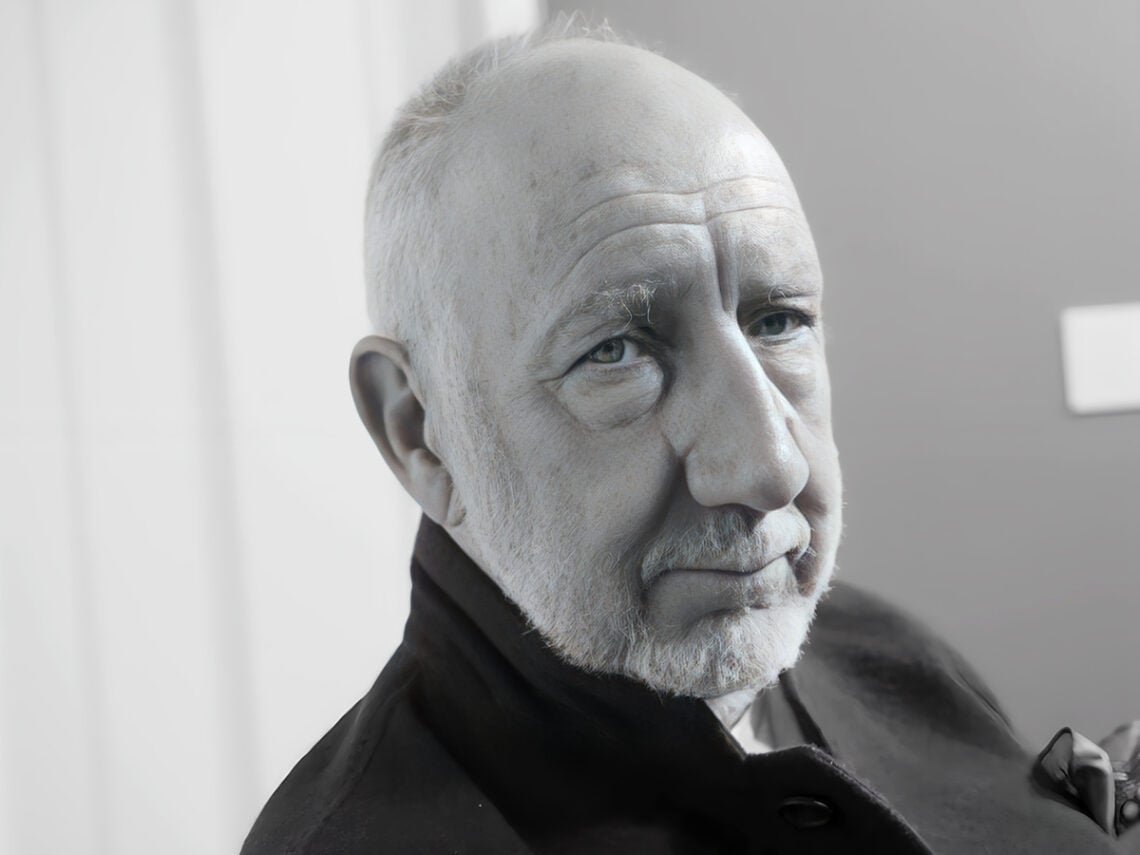
“Why even bother?”: The artist Pete Townshend couldn’t come close to

Imposter syndrome might be a buzzword lately, but it is hardly a modern phenomenon. For centuries, artists of colossal skill, acclaim, and success have struggled to reckon with that success, feeling inferior, particularly in comparison to their peers. Even within the individualistic landscape of rock and roll, colossal stars like The Who’s Pete Townshend regularly looked at other musicians with feelings of inadequacy despite his revolutionary quality as a guitarist and songwriter.
Townshend became the definitive voice of London’s youth during the mid-1960s, typifying the attitude of the period with legendary singles like ‘My Generation’ and the pop art mastery of ‘Anyway, Anyhow, Anywhere’. Much of his attitude and interest in music was derived from his immersion in the mod subculture earlier in the decade, which was a scene that worshipped the sounds of American jazz, R&B, and soul music. During his early years, the legendary rock guitarist was particularly entrenched in the jazz world.
Rock and roll has always been indebted to the groundbreaking sounds of jazz, which revolutionised the landscape of popular music during the 1920s and beyond. Jazz artists consistently pushed the boundaries of what could be achieved within a musical composition, which is something that is certainly reflected in Townshend’s work with The Who. Albums like Tommy and Quadrophenia were instrumental in establishing rock operas, and the guitarist was always looking for ways to diversify the band’s sound.
As such, it should come as no real surprise that Townshend has always maintained a healthy appreciation for jazz artists. After all, he spent many adolescent nights in the underground mod clubs of London, soaking up the expansive sounds of American jazz. Speaking to Sound International back in 1980, the guitarist reflected on this love of jazz and how it caused him to doubt his own skill as a musician.
“When I was younger, I used to listen to a hell of a lot of Charlie Parker and Charlie Christian,” The Who songwriter revealed. “And, when you hear him play the way he did and as fast as he did without any flash at all, pure expression of the soul literally flying above everything else, why even bother to attempt to come close?”
To be fair to Townshend, very few musicians could ever hope to come close to replicating the incredible, groundbreaking sounds of Charlie Parker or Charlie Christian. Nevertheless, Townshend’s talents were in an entirely different part of the musical world. It is true that he would never really attempt to evoke Parker or any other jazz artists, but his unique brand of mod rock was just as revolutionary in its own right.
Abrasive guitars and defiant lyrics were not a regular feature of jazz, but Townshend managed to establish himself among the most prominent artists of the swinging sixties using that very combination. Much like jazz had done for Townshend during his early years, the power of The Who spoke to young audiences across the world, and the songwriter’s penchant for inventiveness only seemed to increase year after year.
Albums like The Who Sell Out or Quadrophenia are among the most inventive and influential rock records of the 20th century, completely different from anything being recorded elsewhere. In that way, it is clear to see that the innate artistry of performers like Parker and Christian had a continued impact on Townshend throughout his recording career.
