


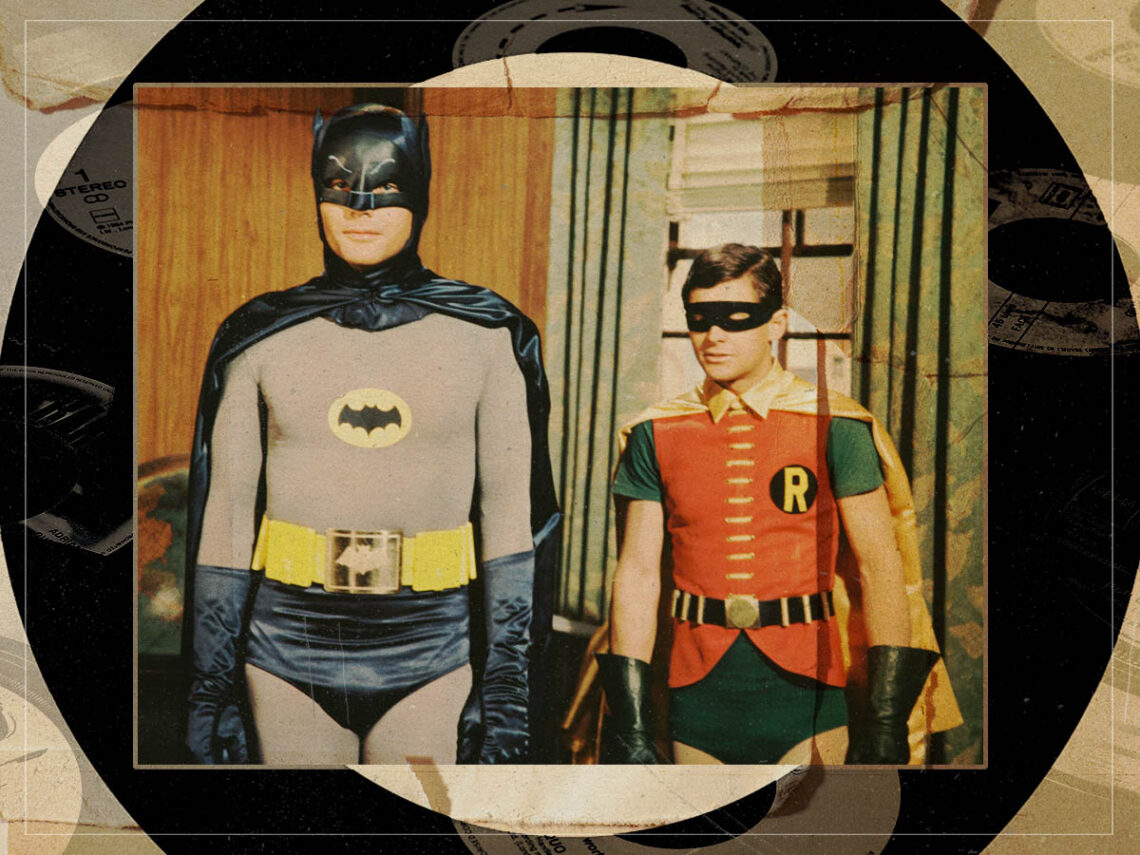
‘Batman’: the superhero theme adopted by the mod subculture

A new age was dawning in Britain during the 1960s. Things were looking up for the first time since the end of World War II, with rationing a thing of the past and the nation’s youth looking for ways to widen the generational gap between them and their parents. As a result, the era saw the rise of youth subculture, and the mods were among the most exciting. Defined by sharp Italian suits, cropped haircuts, scooters, and a love of American jazz, soul, and, later, Jamaican ska, the mod subculture came to define the swinging sixties period with the unexpected help of a certain caped crusader.
In defiance of the stuffy older generation, who often aimed to blend in with the ordinary, the mod subculture placed utmost importance on standing out from the crowd. Individualism was key, and so bright colours and ultra-modern European fashion became key aspects of the culture. Bright primary colours were everywhere during the ‘60s, as colour film and television became much more prevalent, ushering in this exciting new era of culture.
A key player in the advancement of colour television was Batman, the Adam West television series which followed the adventures of Batman and Robin, with all the colour and excitement that featured in their comic books. Although the show was broadly aimed at children, it gained a cult following among older youth, drawn in by the colours and high-energy action sequences. If you look back at those old episodes of Batman, they are awash with 1960s style and music, and West exudes a level of cool that even Christian Bale struggled to recapture.
What’s more, music was a key element of the Batman series, with its Neal Hefti-composed theme tune drawing heavily from influences of surf rock and twelve-bar blues. The theme tune took on a life of its own following the series, inspiring cover versions by everybody from space-jazz pioneer Sun Ra to grunge icon Eddie Vedder. However, the theme was also adopted by the mod subculture, who identified with the style and fashion of the series, in addition to the catchy blues-rock leanings of the theme.
Its connections to the mod subculture were cemented in 1966 – the same year that it began airing – when the theme was recorded by The Who for their Ready Steady Who EP. The Who had spent their formative years enmeshed in the mod subculture, and although their output was very different from the sounds of jazz, R&B, and soul that were filling mod all-nighters, they quickly became spokesmen for the subculture.
A year later, the theme was covered by another legendary gang of mod rockers when The Kinks played it as part of a medley during their gig at Kelvin Hall in Glasgow, which was later released as an album. This recording further enveloped the Batman theme into the mod subculture.
As if those two groups weren’t enough to connect the Batman series with the enduring mod subculture, the theme tune returned once again, decades later, to be covered by The Jam. Included on the tracklisting of their debut album In The City, the cover was essential in the up-and-coming band paying tribute to the influences of the 1960s mods that came before them.
At the time, the group were viewed as a punk outfit, but songwriter Paul Weller was always a staunch modernist, and The Jam quickly inspired a revival of the subculture during the late 1970s. Arguably, their version of the Batman theme helped to bridge the gap between the old and new generations of mods.
So, although Batman never arrived to foil The Joker’s plans on a Lambretta or covered his spandex costume with a parka, the caped crusader nevertheless had an impact on multiple generations of the mod subculture. The importance of the theme tune speaks both to the youth aspect of youth subculture during the 1960s and the enduring brilliance of Hefti’s composition.
