


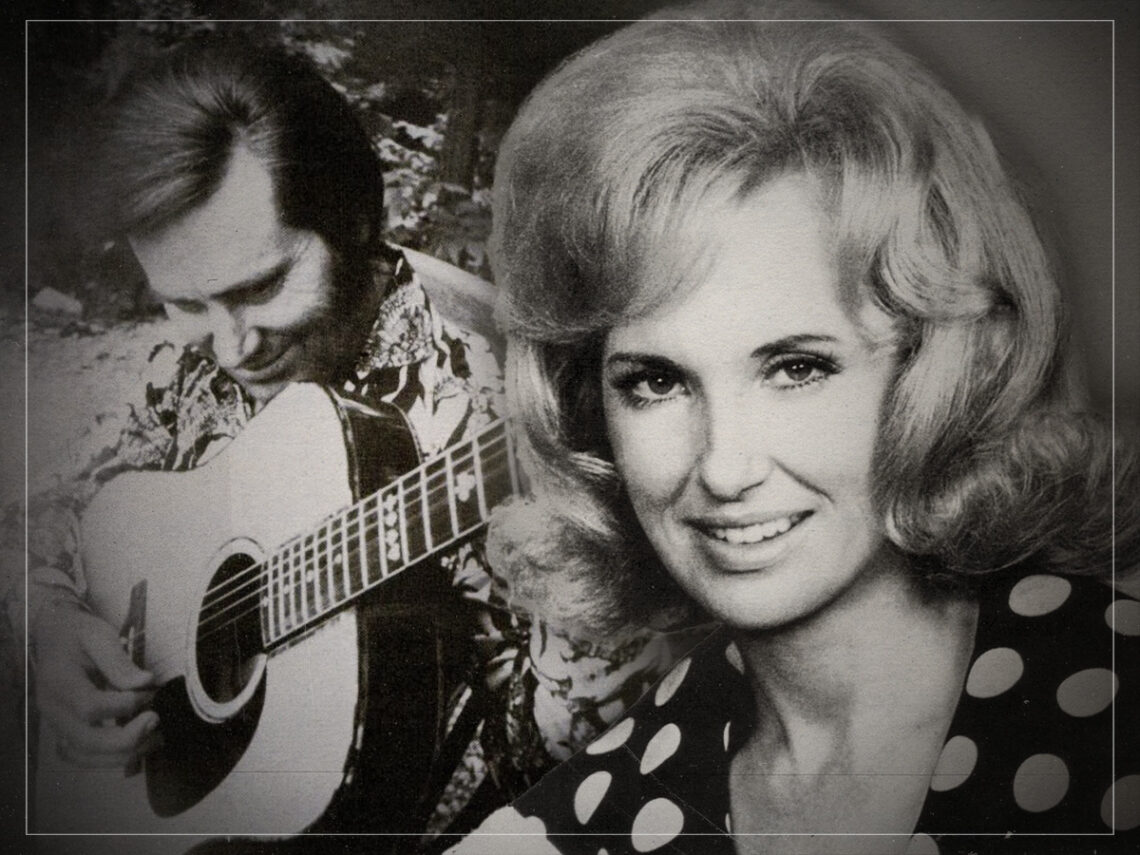
The artist George Jones and Tammy Wynette rallied against in a bid to “preserve the identity of country music”

For as long as people are obsessed with different genres of music, those people will continue to strive for sanctity within those genres, and every artist will face scrutiny.
Every single style of music has had people criticise different artists for contributing to it in what they believe is a negative way. Regardless of whether you look at more recent music or music from decades past, there are always going to be those people who strive to keep a certain sound confined within particular boundaries.
Punk is a great example, as when that genre first found legs, the plan was to try and create a genre which gave working-class people a voice in a world where it was becoming increasingly difficult for them to stand up for themselves. The wealth gap within society was growing, and with it, so too was music becoming slowly inaccessible. The movement was hugely important, but it ruffled some feathers because they did not want anyone involved with a genre that they did not feel they were entitled to be involved in.
One of the punk initiators, Johnny Rotten, aka John Lydon, was also extremely protective of the genre of punk rock. He was always so opposed to conjuring punk music from people who were not working class, as he thought it violated the genre. Instead, he constantly strived for authenticity within his music but didn’t feel as though he achieved it (whether he was right or wrong in his assessment is up for debate).
Country music is going through something very similar at the moment. Over the past few years, the genre has seen a new injection of hype, which has led to plenty of artists who aren’t usually associated with country making country music albums. One of the most famous examples was Beyoncé. Her record, Cowboy Carter, divided opinion within the country music world, as its worldwide critical and fan acclaim was scorned by many who said she wasn’t a country star.
When Beyoncé won the Grammy for ‘Best Country Album’, she took to the stage and thanked everyone for listening before addressing the criticism that had come her way regarding what genre she should be working in. “I think sometimes ‘genre’ is a cold word to keep us in our place as artists,” she said, “and [I] just want to encourage people to do what they’re passionate about. And to stay persistent.”
This is not new, though. Beyoncé isn’t the first to have been criticised for making country music, and though the genre is only on the rise in terms of popularity, she most likely won’t be the last. In 1974, Olivia Newton-John was able to polarise people over where country music was headed, as everyone insisted that it was in the wrong direction after her victory for best female vocalist at the Country Music Association (CMA) Awards.
When Newton-John won, there were plenty of grumbles from country music lovers who said that she didn’t deserve the award and wasn’t a proper country music star. There were a few reasons for this; the first was that she wasn’t American; she was born in England and raised in Australia. The second was that her album wasn’t recorded in Nashville; it was done in London. All of these factors led to people believing that an outsider had swooped in and stolen the award from proper country artists.
The hypocrisy didn’t just stop at a few mumbles and grumbles here and there around the music industry, though. Instead, there were people who wanted to start their own CMA-adjacent branch in order to “preserve the identity of country music as a separate and distinct form of entertainment”. The two who spearheaded this movement were George Jones and Tammy Wynette, who started the Association of Country Entertainers that got 50 artists on board, all because Olivia Newton-John had dabbled in the genre.
For as long as there are people loyal to genres, there will be people who despise the most remote of shifts within those genres. Regardless of whether it’s rock, punk or country, purists will always put up a fight in the face of change.
