


Are excessive runtimes a new manipulation tactic in Hollywood?

It comes as no surprise to anyone that our collective attention spans are completely busted, with social media and short-form content destroying our ability to sit with longer stories or more rewarding forms of entertainment like reading or watching films. Some studios are desperately trying to lure audiences back into the cinema after the damage caused by streaming conglomerates that have brainwashed people into thinking that the home cinema is just as fulfilling, with box office sales also being hit by the post-pandemic recovery period.
However, it feels as though this has also been damaged by the rise in much longer films, with some filmmakers creating stories that last over three hours and leading to complaints from mass audience members who understandably don’t want to spend that long watching a film. While many of them have defended their right to long stories and justified their purpose, it raises an interesting conversation about whether this format is genuinely justifiable and its increasing popularity over the years.
Many people attribute the commercial failure of Damien Chazelle’s 2022 film Babylon to its lengthy runtime, with general cinema-goers citing a reluctance to watch anything above the three-hour mark, especially anything marketed as poorly as the Hollywood epic. However, since Babylon there have been many other films to lie within a similar lengthy territory, with the likes of Killers of the Flower Moon, The Brutalist, Wicked and Dune also making use of their extensive time on the screen. However, it begs the question – when is this actually justified? And why has there been such a rise in long-form films?
You could argue that a form of rebellion has manifested within the medium of film due to the loss of patience, with directors making deliberately longer stories to break away from this normalised addiction to quick algorithms and six-second videos. Some filmmakers might be pushing the boundaries of their stories to actively work against these new trends, perhaps subconsciously wanting to keep people in the cinema for longer, considering how much harder it is to get audiences there in the first place.
However, while there are some stories that deservedly make use of this time and are directed by people who have earned the right to take as much time as they need, with the likes of Martin Scorsese not needing to justify the runtime of Killers of the Flower Moon because he is… Martin Scorsese. But there are new and emerging filmmakers who are absolutely taking liberties with this format and stretching the need for such a runtime, which I believe has become somewhat of a manipulation tactic and egotistical pursuit rather than anything else.
We used to associate three-hour films with the ‘greats’ of the film industry, with the likes of Federico Fellini, Chantal Akerman and Akira Kurosawa demonstrating their genius through epic stories that capture the true essence and power of their voices. It became synonymous with a certain level of reputation and skill, with some of the more esteemed filmmakers using this to showcase a story that deserved a heightened level of attention and care. If everyone did it, then it would lose its weight.
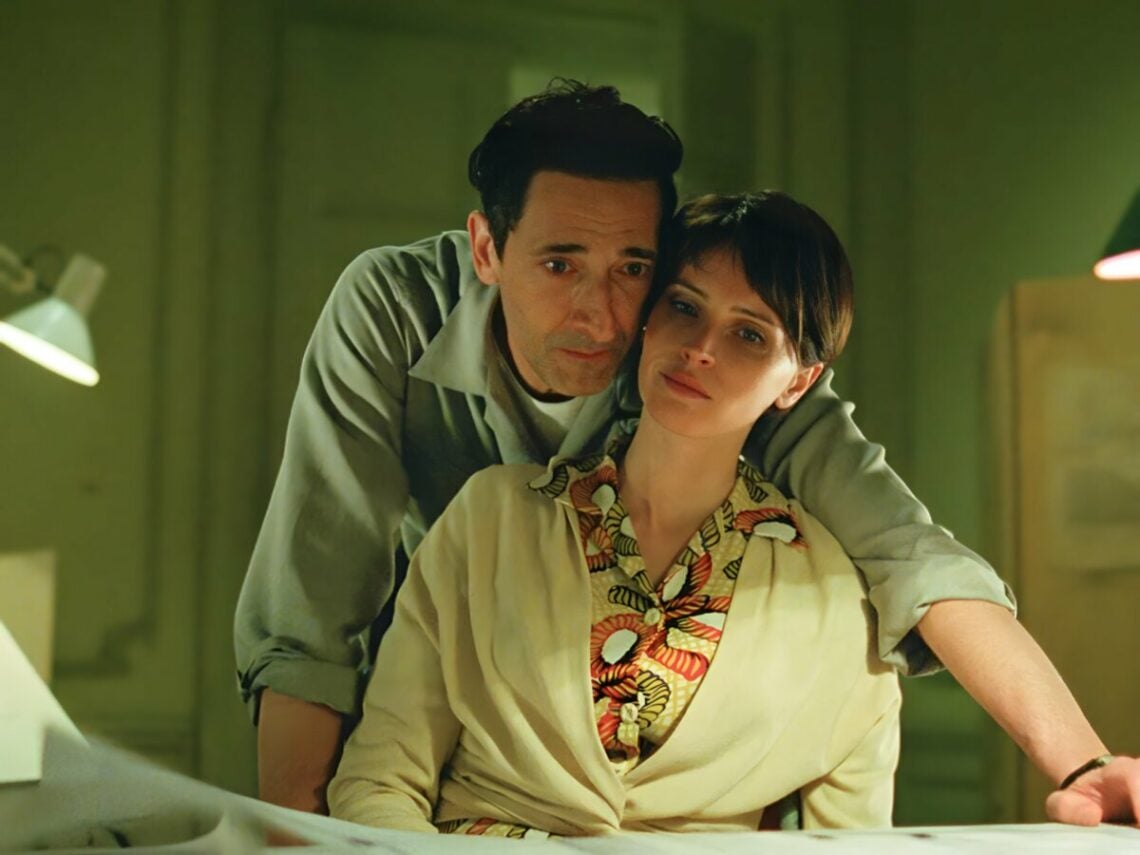
But nowadays, it feels as though this tactic has been pushed beyond meaning, with many filmmakers creating lengthy projects seemingly for the sake of the prestige that comes with this and as a way of manipulating our connection to the character. In the case of the recently released and Oscar-nominated film The Brutalist, while you don’t necessarily feel the runtime because of the interval, I found myself questioning the purpose of its length, which sometimes felt more like a lazy storytelling method and way of forcing our connection to the character purely because we spent a long time with him.
The excessive runtime of some projects can feel like a cop-out from the writer to create in-depth characters and meaningful storylines, instead opting for a million tiny plot points dragged out over three hours to instil a sense of connection to the people on screen. By creating something long and inescapable, you become absorbed in a way that is unique to the length of time you are spending with the story because you are obviously going to have more sympathy for Adrien Brody’s character after spending three and a half hours with him instead of 90 minutes. The Brutalist feels like an imitation of intellectual ideas, attempting to convey weight and meaning simply by the structure of an ‘epic’ film, dragging out an empty metaphor with little substance to trick us into thinking it is deep and serious. If this had been contained within two hours, I doubt we would have felt the same.
While I love films of all ilks and creeds, I do not appreciate when audiences are manipulated through cheap tactics such as dramatic music choices, misery porn and an excessive runtime, and while I feel that projects like Babylon and Killers of the Flower Moon make use of their longer time on screen, there are some directors that seem to chase the prestige of this achievement without having any substance to justify it, leading to an empty shell of a film that imitates greatness and succeeds in convincing people of its value, despite advertising nothing but the ego of the filmmaker and need to be considered as a serious artist.
