


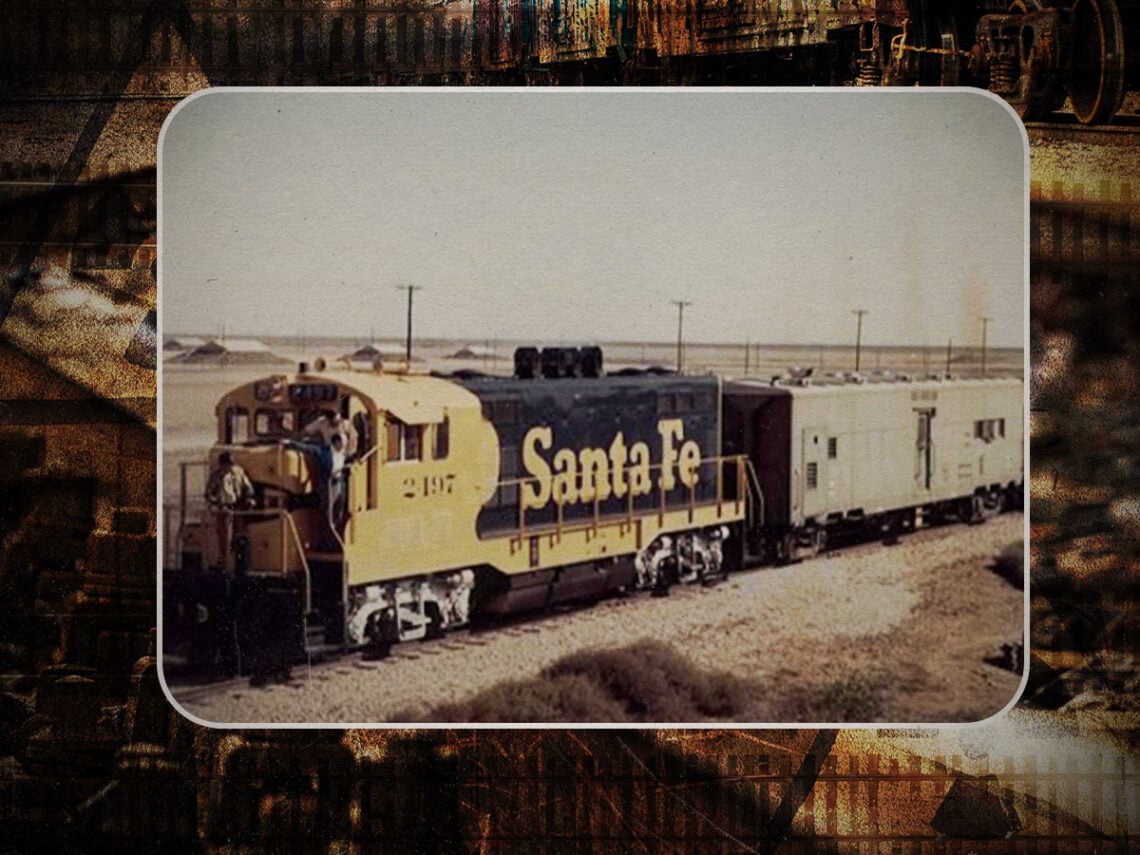
Amarillo to Bangor: The most hated rail route in American history

People love fast cars, and planes are great, but whether you’re British or from America, no transport method holds our fascination like rail; from the spectrum-straddling trainspotters to the Francis Bourgeois TikTok revival, it’s engaging stuff.
However, nothing makes our blood boil like rail either, where you don’t know what pure anger feels like until you’re sat eating a limp, lukewarm burrito at Paddington, watching your train get delayed and delayed on the LED board, as you consider the futility of life and the price of guacamole.
For most of us, especially in the UK, our dislike of rail comes from one of two factors, either delays or cost, or a combination of both. However, that isn’t the case in the United States, where the Amarillo to Bangor route is the most hated in the nation’s history, because the route and the ‘white trains’ that took it became a symbol of fear and a flashpoint of protest.
To find out how this route became so reviled, you need to understand. America and the Soviet Union were butting heads in the Cold War, with both nations and competing ideologies, wary of each other and prepping for a face-off. The nuclear arms race between the two powers was well underway, and while we think about all the fun stuff, the science and the espionage, we often forget about the logistics and the fact that the US needed to find ways to move its nuclear weapons.
Near the Texan city of Amarillo was Pantex, which was, and still is, the only place in the US that is allowed to assemble and disassemble nuclear weaponry, which meant that anything that was part of America’s nuclear arsenal passed through at some point. However, one major issue was that the infrastructure for nuclear weapons, whether that was production, storage, testing sites, or air and sea bases, were all spread out across the country, which meant that a lot of the movement of this dangerous cargo was done by rail, allowing it to avoid public scrutiny, as well as being safer and more efficient than road.
The Department of Energy’s Office of Secure Transportation organised the trains, which were painted bright white, and while the paint job was unlike anything else on the rail network, the trains weren’t, and to any onlooker, looked just likely regular freight trains. These brilliant white freight trains chugged across the country, at slow speeds that saw a maximum of 35mph, and were operated by small, specially selected teams.
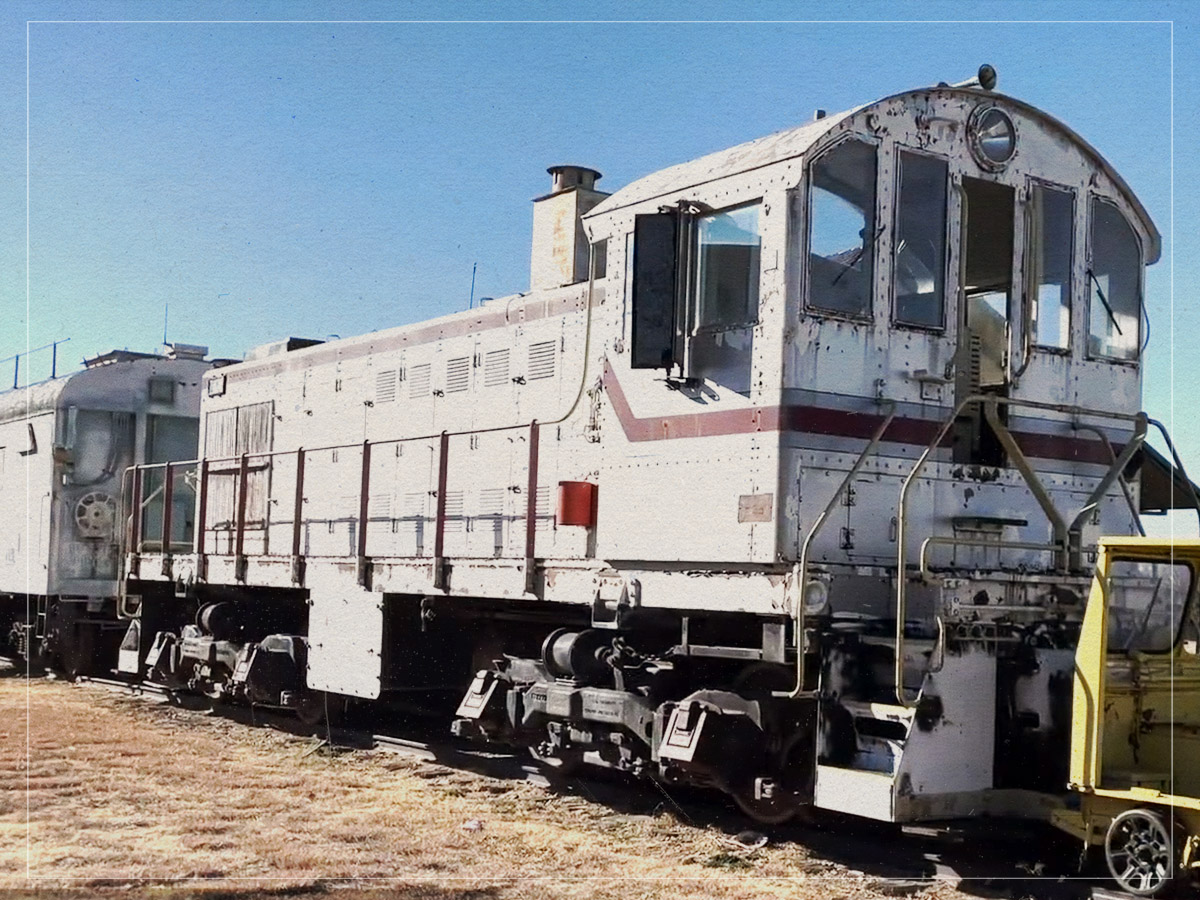
Starting in the early 1950s, this covert transportation method wasn’t properly understood by the general public until the late 1970s, when the contents of these trains became more widely known. The US government had tried to keep the story under wraps, but when nuclear activists got wind of the white trains, it became a serious issue.
Public awareness, as well as people’s unhappiness that potentially dangerous nuclear weapons were silently being moved through their towns, grew in tandem, and critics were scared of the dangers that an accident could create; moreover, with the white trains becoming public knowledge, it only increased the chances of sabotage or even attack from the Russians.
America’s Trident submarines were based in Bangor, Washington, at the time, which meant that these nuclear warheads and ballistic missiles would need to travel over 1,700 miles between Amarillo and the Northwest of the country. The alarm had initially been sounded by a couple of people living near the base who noticed the same white train coming and going from Bangor with some regularity, after which news spread and the route was studied, with communities on the way all doing their bit to track the movements of the trains.
This was seen as, at best, an accident waiting to happen, if not a possible precursor to nuclear war, and protests against the white trains grew rapidly. Over 300 different communities along the route organised protests, with vigils and demonstrations commonplace, as well as some protestors even lying across the tracks, all of which reached their zenith in 1985 when 146 arrests were made on one journey.
When a jury in the prosecution sided with the protestors, it was a clear sign that the public mood had changed, which led to colour changes and re-routing methods, but the game was up, and within two years the white train network had been replaced by transportation on America’s many highways, something that allowed them to be more discreet and harder to track.
The Cold War has long passed, but the memory of the white trains still remains in those communities today, acting as a reminder of not only Cold War paranoia and the power of the anti-nuclear movement, but also as a lesson that the government had created their own problem by making the threat of war too visible to the general public.
