


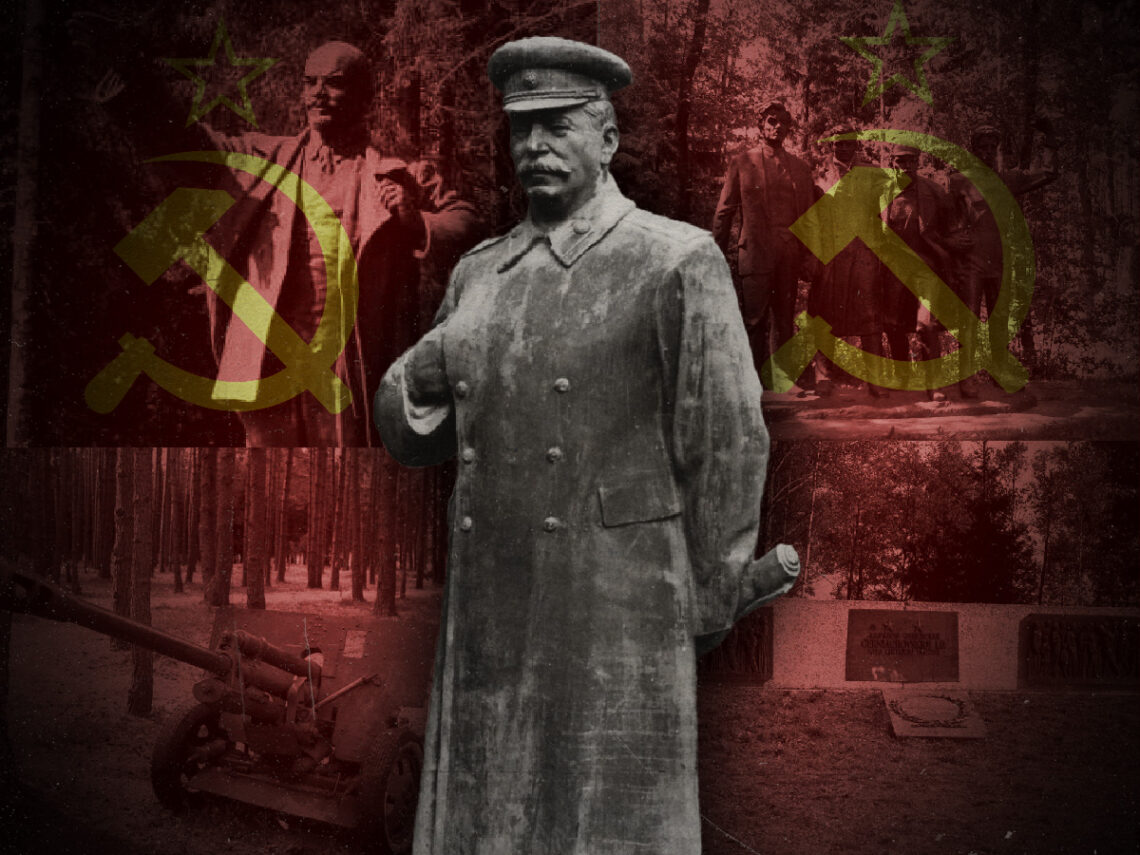
Welcome to Stalin World, Lithuania’s provocative museum park

We all love a theme park, whether you’re queueing for The Big One at Blackpool Pleasure Beach, riding the Oblivion or dreaming of visiting Disney World, and while they are made for kids in mind, full of wide-eyed amazement and jumping with excitement, adults can enjoy them too.
From our first collision on the dodgems in a local fair, it’s part of our DNA that we want to have fun and go wild, and as it follows from the name, theme parks have a theme, which may be the childhood flicks of Disney, the movies of Warner Brothers or the anime masterpieces of Studio Ghibli, such as in Japan’s Ghibli Park.
Thus, let me introduce you to Grūtas Park, a small museum and park in southern Lithuania, often known by its nickname ‘Stalin World’.
To say Joseph Stalin is a polarising figure is an understatement, as, while the former leader of the Soviet Union, who was in power for 25 years, from 1928 through 1953, he might have helped the USSR survive World War II, his laundry list of crimes is lengthy. He expanded the gulag system that was developed under Vladimir Lenin, and his great purge between 1936 and 1938 saw hundreds of thousands of people executed, deporting entire ethnic groups to remote areas of the Soviet Union and his policy of forced collectivisation, which led to a famine that claimed millions.
With that much blood on his hands, it’s strange to have a theme park nicknamed after him, but for Viliumas Malinauskas, a former mushroom farmer, this was not to honour him but to tell the damage that the Soviet Union inflicted on Lithuania.
After the country escaped the clutches of the Soviet Union, there was a concerted effort to rid it of the many statues it had of those socialist heroes. Town squares saw statues of Stalin and Lenin toppled, alongside communist ideologues like Karl Marx and a number of Soviet generals and local officials. However, rather than destroying these pieces of history, the Lithuanian government decided to remove them from view but to keep them, and then, in 1998, due to a lot of them taking up valuable storage, they announced that organisations could bid for them.
Ears pricked around the country’s museums and beyond, but it was Malinauskas, becoming a millionaire through mushroom cultivation, who won the bid, and the reason was simple: unlike many museums, he required no state funding.
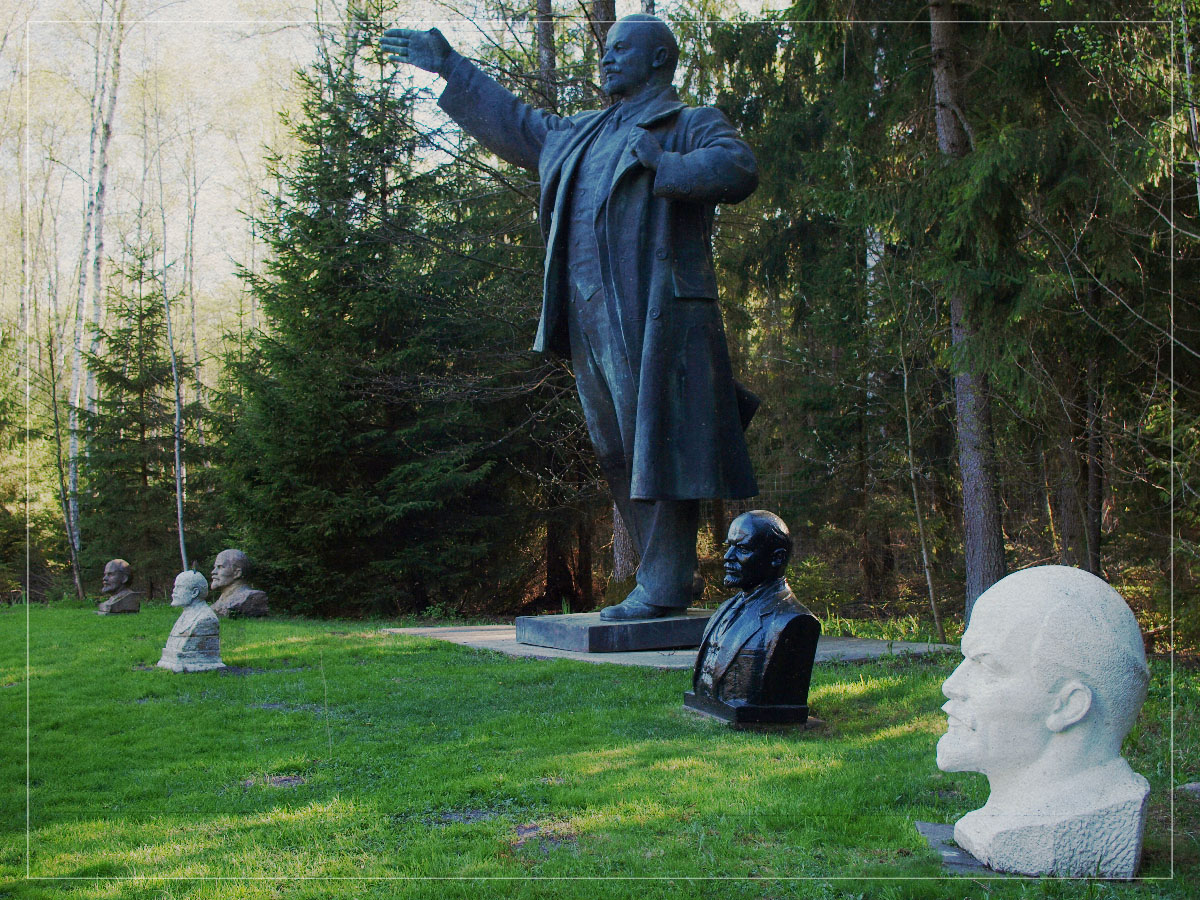
Soon, the monuments began to arrive, and Stalin World was born. It’s estimated that there are 80 to 100 statues in the park, and despite the questionable taste of displaying these monsters, Malinauskas’ intention has been to educate, to the point that he had initially intended visitors to travel from the entrance of the park to the statues via a gulag train, mimicking the long, terrifying journeys that led Stalin to deport many Lithuanians to the remoteness of Kazakhstan to Siberia. Fortunately, he was talked out of this idea, yet the park is circled by barbed wire and overlooked by patrol towers, to visibly induce the fear of the gulag system.
A six-metre Lenin bust by the entrance towers over the park, living a new life away from its former home in the main square of Vilnius. Other Lenin works show the stylistic evolution of Soviet propaganda, while the Stalin statues are stern, militaristic and act as a reminder of state power, and how they were tools to suppress.
Each area of the park tells a story, one strand of the oppressed country that Lithuania once was, with places devoted to totalitarianism, the red terror, occupation and more, making this juxtaposition between these figures who convey absolute terror and their surroundings an interesting choice. There’s a café, a stage for performances and a small zoo, which feels jarring when you consider that statues include Felix Dzerzhinsky, the founder of the KGB.
A hugely controversial park, this was greeted with shock and anger from politicians, survivors who accused the park of profiteering off their suffering and the Catholic Church, who signed a petition against the Grūtas Park. There are, of course, alternate voices, with some older Lithuanians, hung up on the nostalgia, who have visited the park to remember what they consider fonder times.
Now the park stands as a memory of the evil that caused so much heartbreak and pain to Lithuania and a reminder that the fight against tyranny never goes away. The discussion about how to best remember the past and the role that monuments have in that is one which has been ongoing for a while now, a debate happening across the globe while looking at immortalised former despot leaders to statues honouring slave traders in cities across the UK and USA.
By keeping these pieces, it allows history to be maintained, but crucially, it exposes the mechanics of propaganda to a younger generation, as well as ensuring that the dark days Lithuania experienced under the Soviet Union are not forgotten.
