


‘Magic Farm’ movie review: The ethics of falling into a YouTube hole

We’ve all done it. You’re searching for something or another, and you trip and fall into the depths of the internet, and suddenly you’re 15 minutes deep into a 25-minute-long video on some drug-taking ritual in some deep part of the rainforest. Or, some look into a racist commune in America, some niche corner of the sex work industry, some profile of some crazy guy who eats people – something like that. That used to be the absolute epitome of journalism at a specific moment in time, and in Magic Farm, Amalia Ulman delves into the absurdity of that, along with the ethics.
Chances are, when you fall into that hole, you land on a Vice video. It feels odd to talk so openly about another publication, but Vice, especially in the late 2000s and early 2010s, was a subculture in itself. It had a monopoly on it, and it was opening up a whole new chapter of journalism that not only leant into the wild and weird, all aimed towards a blazed-out millennial audience, but completely capitalised on it.
For so many journalists and publications since, their snappy video documentaries were formative as web shows like Slutever and High Society became a gold standard for more magazines moving into video content, but doing it in a young, cool, deeply online sort of way. They were telling wild stories, and they were telling them with wit and a distinctly cool, outsider sort of eye. But it begged the question of whether that was ever right?
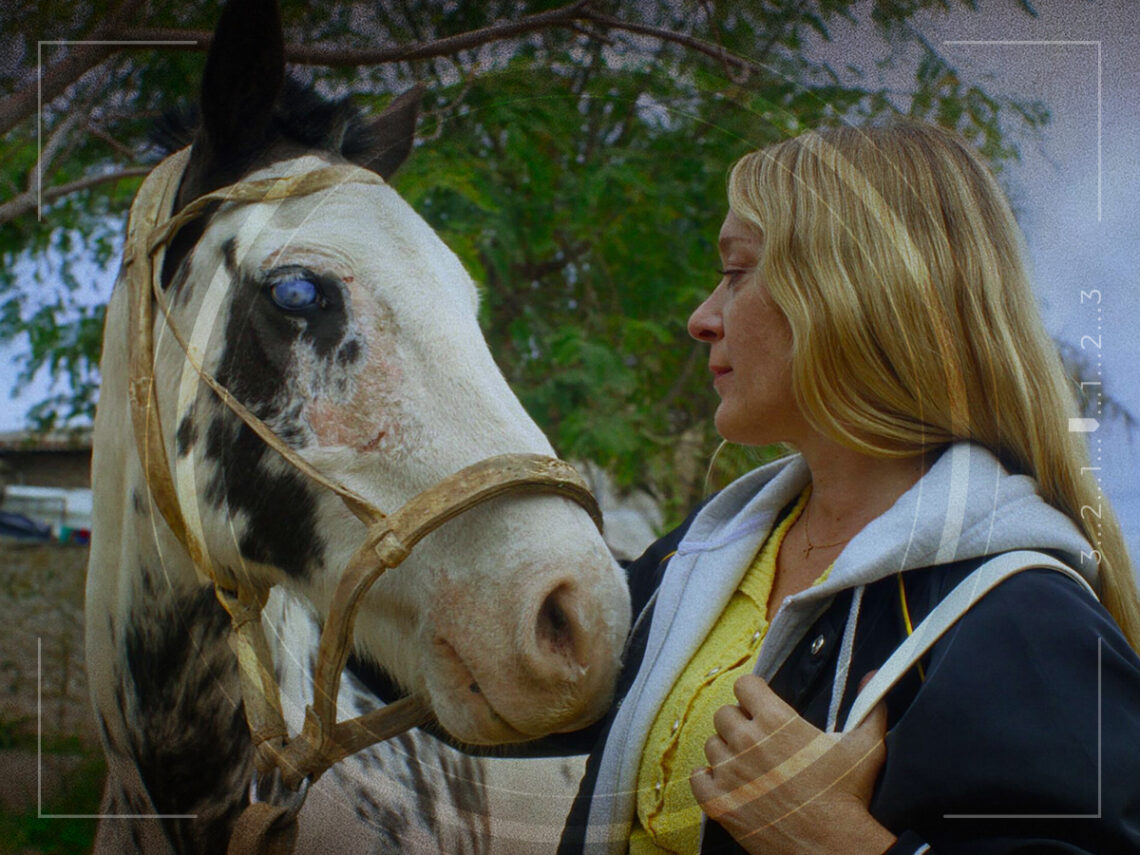
That’s how Magic Farm begins, landing right on Chloë Sevigny, the internet’s all-time favourite it-girl in a moment of truly genius casting, playing exactly that kind of cool video presenter type. She spends almost all of this film trotting around in Tabis and flashing a Miu Miu purse, so even ignoring all the plot and all the points made, seeing that alone against the backdrop of a rural town in South America makes the point perfectly. That humour is already there as it says: What on earth are these New York kids doing here?
There is definitely that kind of point and laugh humour throughout. The jokes are there, and they carry into everything, even the way this movie is maximally edited, exactly like an old school, trying-to-be-kooky YouTube video. Alex Wolff especially brings the more forthcoming humour as his physical comedy as the ultimate bratty fuck boy is perfect and genuninely had me cackling in the cinema. Each corner of the leading pack was perfect like that; Joe Apollonio’s Justin was endearingly naive, and Ulman steps into her own film as Elena, a character that brings pathos and grounding to the absurdity while still staying true to the out-of-touch air all these leads embody.
But amongst the humour, there’s an almost unspoken weight that Ulman masterfully scatters in. It’s shown in tiny moments: an overheard phone conversation of a woman distraught over her child’s illness while Justin skateboards around her, two Argentinians speaking about a death in the family in their own language while Wolff’s character Jeff moans at them, claiming the song they’re writing isn’t traditional enough, and an insane moment with a plane that at first feels like just another absurd addition until the film’s final seconds.
It all climaxes to Ulman’s clear and concise point – there are bigger things happening. Similar to Vice, focusing on drugs, sex and cannibalism or going into these rural communities to focus on a small, relatively silly thing, Magic Farm has its characters making, or faking, a documentary about fashion while the audience begins to see a complete health crisis unfolding around them. But as Ulman keeps it in the background, just out of focus amongst the gags, the movie mirrors its subject and embodies its message in an ingenious approach that is weighty and impactful while still a genuine joy to watch.
