


Alice Cooper names the 1960s album all musicians adore but nobody else has heard of

The whirlwind 1960s were drawing to a close. The children of the revolution’s children were looking forward to something fresh, something to revitalise the ideals of Woodstock, which were increasingly looking like a futile pipe dream.
On September 13th, 1969, their own chapter would begin, and the world would never be the same again, evolving into a beastly bonanza of wild hedonism and all the good fun that goes along with it. Alice Cooper and a chicken would be at the forefront.
On that fateful day, the Toronto Rock and Roll Revival festival was taking place at the Varsity City Stadium, and it saw Alice Cooper give birth to shock rock. It occurred largely by accident. Somehow, in a manner that is still not known, a chicken had wandered onto the stage arena and began pecking at one of his props.
In a mid-performance panic, the frontman, once known by the clumsily banal name Vincent Damon Furnier, assumed he could scoop the chicken up, hold it aloft and then unleash above the crowd it with a waft, like a magician releasing a dove.
His tragic miscalculation was that much like penguins, chickens can’t fly, so it simply careened into the audience and in a melee of madness that seemed to consume bird and man alike, everyone and everything went crazy. The chicken was tragically torn to bits.
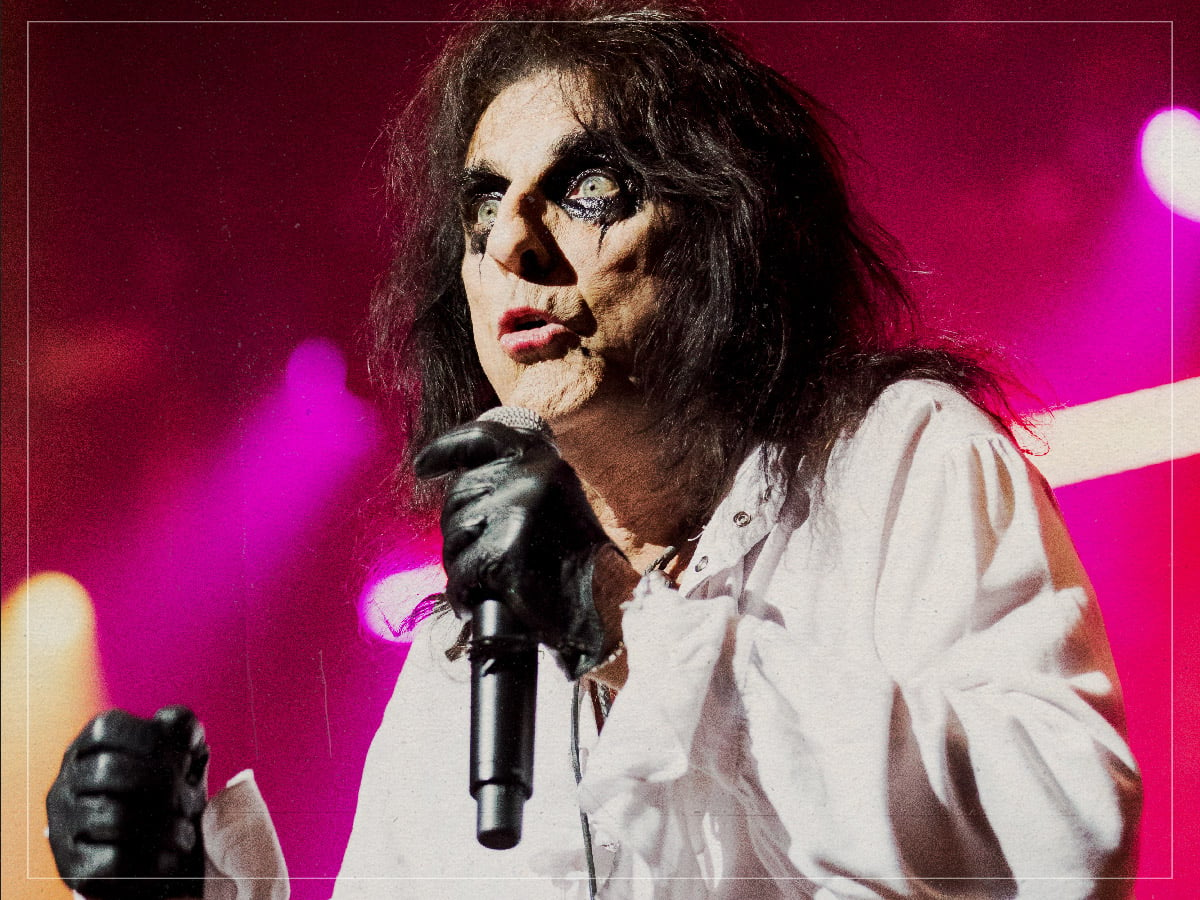
But the postscript tells you a whole lot more than the maddening incident might on the surface: the little-known Alice Cooper were suddenly met with gaudy junglefowl desecrating headlines and swept up in a wave of public interest.
Alice Cooper played into this press. They knew that shocking people worked. Furnier had grown up loving The Beatles. His childhood was staunchly religious and blighted by illness. Suddenly, the Fab Four seemed like a glowing beacon of liberation. It was this hopeful legacy that Alice Cooper looked to project when he became the title character behind his new band in the late 1960s. ‘Shock and liberate’ was the name of their game. And that proved to be a fittingly legacy for the ’60s handover to the next generation.

After all, it wasn’t only The Beatles that had proved the profitable currency of shock when they touched down in America as beaming young lads and started spewing ‘I am the Walrus’ within 46 months. In fact, this virtue was proven just as profoundly by records that failed to shock.
The Butterfield Blues Band are a collective known to a few Bob Dylan loyalists as the backing group that helped to propel his electric controversy at the Newport Folk Festival. That was another of the era’s most shocking moments, at least for the folk purists. But aside from that chapter in history, the group were also simply an astounding band in their own right. ‘Tight’ doesn’t even begin to cover it.
However, they were somewhat subsumed by the electric incident and the notion of being the ‘backing’ bridesmaids rather than the spotlight bride. Dylan moving on swiftly didn’t help their commercial cause either. In short, they were the band who could’ve been The Band. Alas, they still have records to rival them. As Alice Cooper asserts when championing East-West by the blistering blues group: “It’s one of those albums that nobody knows about. Musicians know about it”.
Cooper has discussed the LP with hundreds of peers, but it peaked a measly 65th on the lesser-known Billboard Pop Albums Chart. Since then, it has largely been out of print. Yet, certain mint original copies can even fetch in excess of £1,000.
The record was released in 1966 and featured stunning performances from Elvin Bishop and Bob Dylan’s trusted player, Michael Bloomfield. It might have been masterful, but it struggled to be seen amid a stream of bolder records like Revolver, ‘Like a Rolling Stone’, Motown magic, and all the other releases whirling around.
But as a budding musician, Furnier took note and listened to its brilliance endlessly. “The thing that really topped it off,“ he told Rolling Stone, “I think, after I had worn the album out maybe five or six times – and I still have it in my 1968 Mustang – is I talked to Elvin Bishop, and he mentioned that most of those tracks were done live in the studio.”
This gives them a mercurial edge and only adds to the mastery on display. As I say, ‘tight’ barely covers it. So, it’s no surprise that Furnier might see blank faces when he mentions it to mere casual rock ‘n’ roll fans, but when he speaks about it to his fellow musicians, they all bow down in awe. In his book, it’s the ultimate ‘musician’s music’ album. And it has remained that way since ‘66.
