


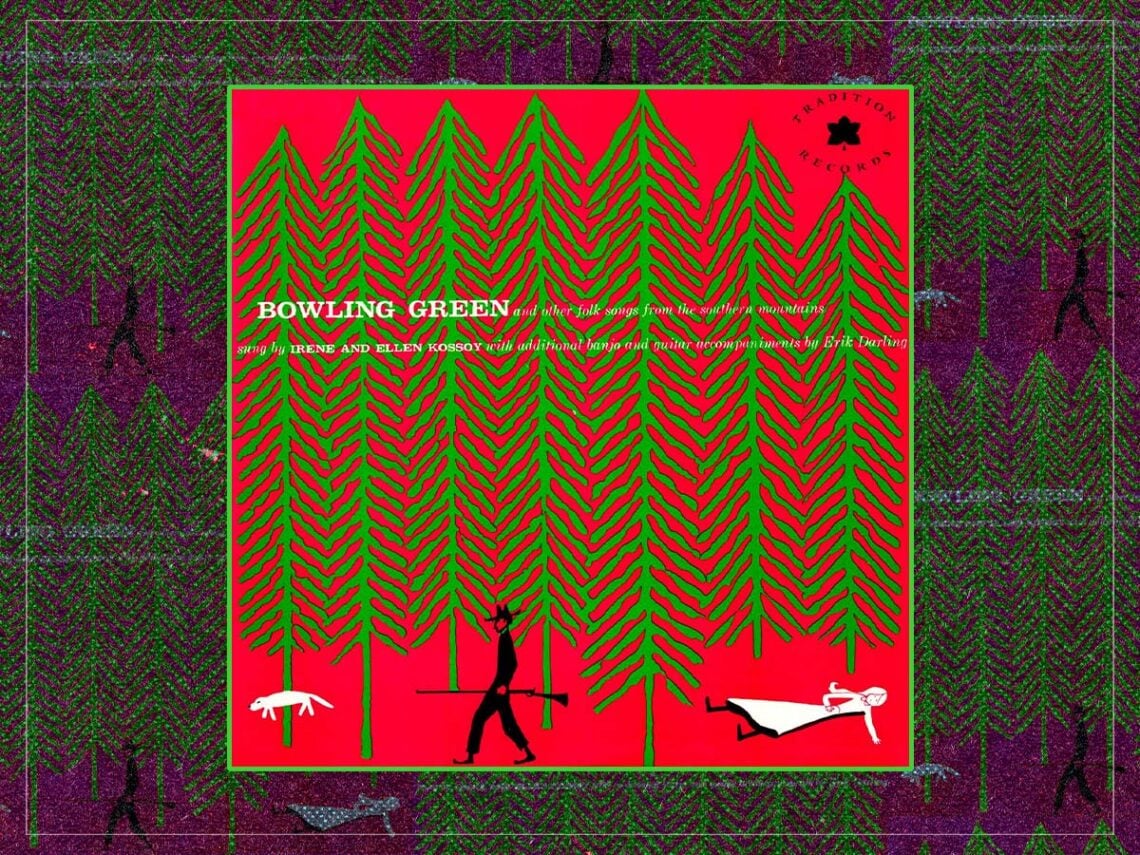
‘Bowling Green’: The album that transformed the sound of Bombay Bicycle Club

When Bombay Bicycle Club started getting mainstream attention, the band were still so young their tour bus probably could have used a creche. They were all schoolboys of 15 when they formed, and it was only a year later that they had their first brush with success, winning a Channel 4-sponsored competition to perform at V Festival in 2006. I mention this because not only were the band absurdly youthful, but their music was too.
As we’ve seen since with the likes of Lorde, Billie Eilish and Earl Sweatshirt, musicians that young seem to almost resent their youth. Making music with an intensity and a darkness that belies their tender years as a gambit to be taken seriously. It’s a particularly teenage desire, and one that makes a lot of sense. Oftentimes, the very last thing you want to be when you’re a kid is a kid. Not so with Bombay Bicycle Club.
Their early releases, most notably their debut EPs The Boy I Used To Be and How We Are, were made up of fizzy, radiantly joyful indie rock. The kind that wore their youth and young manhood on their sleeve. Sure, it was precocious. Sometimes to a fault, but it was honest. At a time when the indie rock movement was sliding headfirst into the Lynx-scented, Inbetweeners-quoting, Carling-fuelled, Pigeon Detectives-ruled world of lad rock, there was something deeply refreshing about the Bicycle Club’s bookish innocence.
All this came together on their debut album, I Had the Blues but I Shook Them Loose, a classic of the era. One that was perhaps a little too late to hit as hard as it could have, but considering that BBC are still able to tour all over the world and play enormous headline shows in their native UK, it’s clear who won the indie-rock war over the likes of… y’know, The View. Surely, the band would follow up this jangle-pop classic with more of the same, right?
How did Bombay Bicycle Club change their sound?
How wrong we were. A mere year after I Had the Blues…, Bombay Bicycle Club followed up their debut album of bright, shiny guitar pop with their second album, Flaws. This was a stark folk record that saw them covering songs by John Martyn and Joanna Newsom and harmonising with up-and-coming singer-songwriter starlet Lucy Rose.
This seems like a huge gamble on the surface, and was treated as such at the time. However, the signs were all there if you looked closely. After all, the album came out in 2010. Indie rock was curdling into a Viva Brother-flavoured doldrum it has still not truly escaped from yet. The coolest guitar music coming out of the capital was folk music by the likes of Laura Marling, Noah and the Whale and, yes, Mumford and Sons (they were cool at the time, I promise).
If guitarist James MacColl’s name sounds familiar, it’s because he’s Kirsty MacColl’s nephew and, thus, Peggy Seeger’s grandson. This music may have been in their blood, but that doesn’t mean that there weren’t albums inspiring this dramatic musical about turn. In fact, frontman Jack Steadman wrote about the key album that inspired Flaws for NME.
When asked to pick his favourite cult album that people need to know about, Steadman offered up Bowling Green by The Kossoy Sisters, a forgotten classic of the New York folk revival of the 1960s. He said, “The whole album is consistently brilliant. It’s just folk standards. They’ve got beautiful harmonies together. I think the biggest influence it had on us is exactly that, like sometimes you’ll be adding more and more instruments, but then you go back and listen to this record and you realise the virtue in keeping it simple. A great song doesn’t have to be complicated”.
The wonderful thing about Bombay Bicycle Club is that this wasn’t the last musical risk they’d take. Other records of theirs have embraced electro-pop, Indian classical music and progressive rock, and it’s that willingness to explore and take risks that makes them one of their generation’s most beloved British Rock bands.
