


The ska compilation album that inspired The Specials

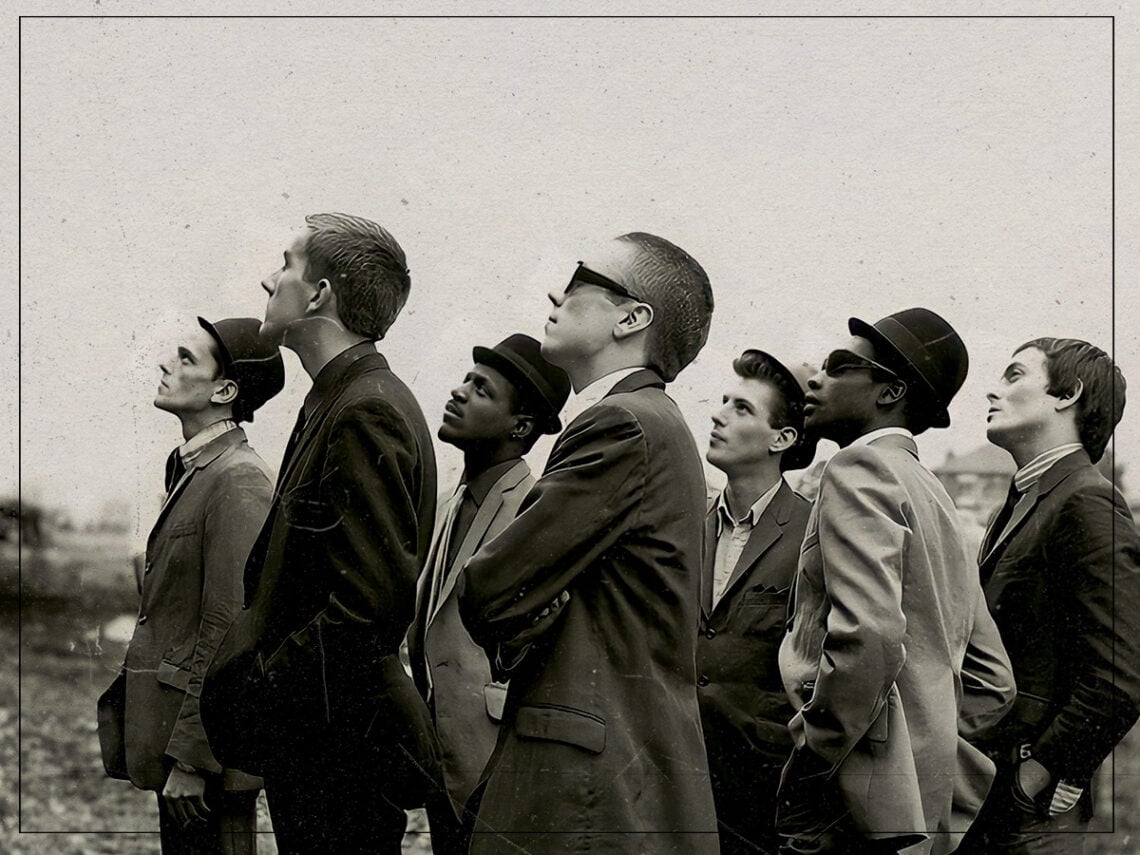
Amid the gloomy post-industrialism and rising unemployment of 1970s Britain, a cultural revolution was bubbling away in the Midlands. Taking the defiant attitude of the punk rock age and combining it with political activism and a deep appreciation for the Jamaican ska and rocksteady rhythms of years prior, the two-tone movement was one of the most important and enduring in British music history. At the forefront of that movement were The Specials, the band who started it all, and typified the sound and defiance of the early Thatcher years.
Upon first glance, Coventry might seem like an unlikely setting for a cultural revolution, but the city was feeling the pinch of neoliberalism more so than most. Its colossal automotive industry was rapidly slipping away during the 1970s and 1980s, leading to ever-rising unemployment and a distinct lack of prospects for working-class young people in Coventry. This discontent made the Midlands a fertile breeding ground for the resistance and protest of punk rock, but the incredibly diverse population of the city soon blended those abrasive punk sounds with music from much further afield.
Namely, the city had a high population of Caribbean people, many of whom had come over to the UK post-World War II as a part of the Windrush generation. The people of Windrush brought with them an influx of Caribbean and, in particular, Jamaican music. So, working-class kids of all races during the 1970s in places like Coventry grew up hearing the sounds of ska pioneers like Prince Buster, Desmond Dekker, and Dandy Livingstone. In fact, an obsession with that style of music birthed the skinhead subculture towards the tail-end of the 1960s.
Before too long, though, that subculture was hijacked by right-wing hate groups like the National Front, leading to increased levels of racial prejudice and hate crimes. A young musician in Coventry, by the name of Jerry Dammers, recognised this dangerous rise in racist extremism and quickly set about creating a musical antidote, in the form of ska. Soon, Dammers recruited a team of friends and young musicians from the local punk scene, and The Specials officially formed.
Politically, the band’s inspiration was clear: uniting people of all races under a shared love of music. The Specials were among the first groups in the UK to have a mixed-race line-up, seeing Black and white musicians perform alongside each other. They were also among the first to discuss issues of racism within their material, along with themes like the welfare state, unemployment, hooliganism, and teenage pregnancy, to name only a few examples.
Musically, The Specials were just as wide-reaching. In essence, their sound was a blending of British punk rock and Jamaican ska, and they exercised their appreciation for those Caribbean rhythms by covering tracks by the likes of The Maytals, Dandy Livingstone, The Skatalites, and The Pioneers, among others. In the early days of the band, however, Dammers and the gang took their inspiration from an obscure compilation album.
In 1981, the BBC aired a documentary about 2 Tone, titled Rudies Come Back. During the programme, a reporter visited the semi-detached house in Coventry which acted as 2 Tone’s main hub. Dammers toured through the band’s contracts, demo tapes, and wardrobe, before holding up a battered copy of a compilation LP titled The History of Ska, declaring, “This was our inspiration”.
The keyboardist explained, “This is a record which Brad [John Bradbury] gave to me when I shared a house with Brad”.
“Lent,” came the blunt reply from The Specials’ drummer.
In terms of the album itself, The History of Ska was issued by the UK-based reggae label Bamboo back in 1970, and is composed of various pioneering tracks from the early days of ska, between 1960 and 1965.
Delroy Wilson, The Skatalites, Don Drummond, and multiple other ska trailblazers are included on the LP; it even features an early Wailers track from before Bob Marley became the ‘King of Reggae’. In the documentary film, Dammers puts the album on, and the 2 Tone house descends into an endearingly anarchic party, with the whole house entranced by the infectious rhythms of the Caribbean.
The Specials’ blending of punk and ska was visionary, helping to unite warring factions of music and youth subculture, while simultaneously causing a resurgence of interest in the sounds of Jamaican ska and rocksteady music. Bamboo Records folded in 1974, but if they had continued on a few more years, they could have issued a second volume of The History of Ska, focusing on the ska sounds emanating from Coventry—a ska renaissance.
