


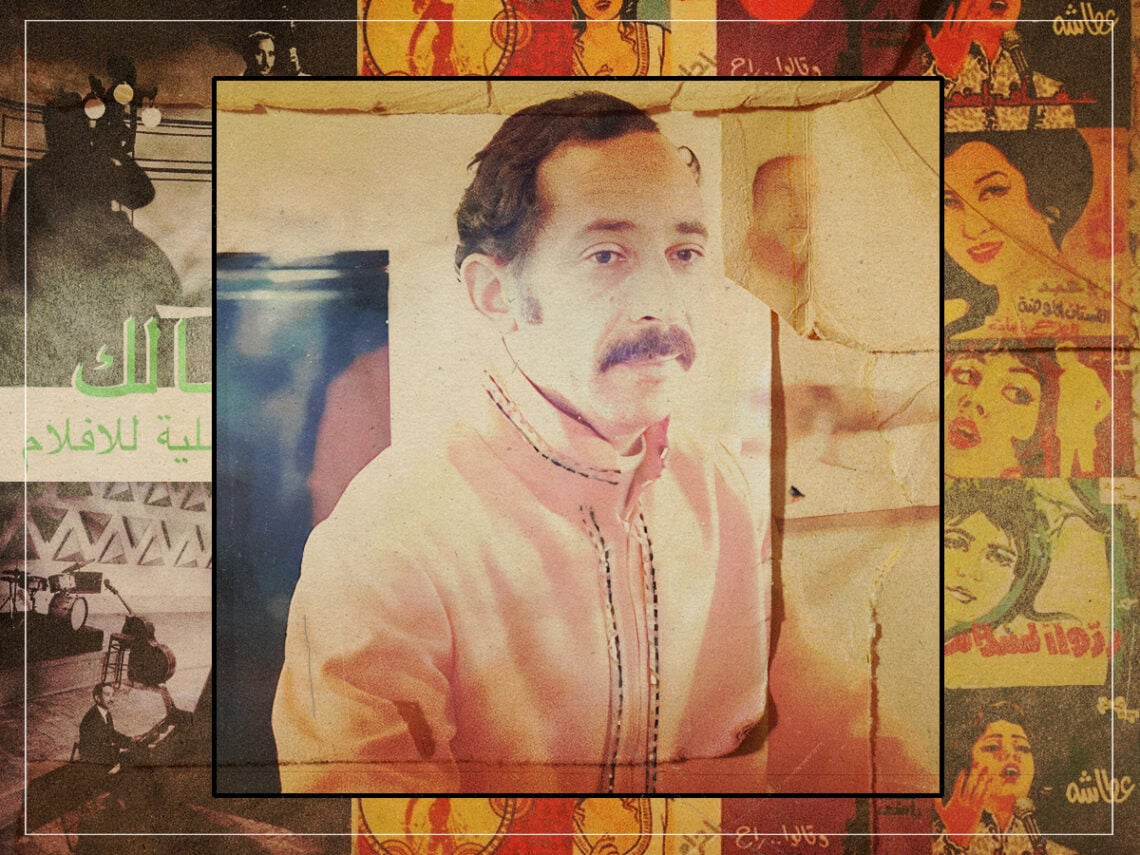
Ahmed Malek: the Algerian composer who rivalled Ennio Morricone

Music is an essential aspect of film, as important as actors, set dressings, and perhaps even cameras. Since the dawn of cinema, musical accompaniment has been almost inseparable from the art form, ranging from the orchestral arrangements of the silent film era to more contemporary approaches in modern-day blockbusters. A good soundtrack can make or break a movie, and Algerian multi-instrumentalist and composer Ahmed Malek discovered this very early on in his life.
Malek was born in 1932 in the Bordj El Kiffan area of Algeria’s capital city. Living under French colonial rule, the cinematic world in Algeria was largely dominated by propaganda films and works made about the nation by its colonial rulers back in mainland France. Conversely, music provided an outlet for Algerian creatives to express themselves artistically away from the iron fist of Charles de Gaulle. So, at the age of only 12, following the tragic death of his mother, Ahmed Malek threw himself wholeheartedly into music, mastering the piano, flute, and even accordion.
Quickly establishing himself as one of Algiers’ premier musicians and composers, the young musician was capable of creating complex and captivating soundscapes. Malek stood out among the rest of composers in Algeria at the time due to his unique ability to blend traditional Algerian music with more modern influences and Western instruments, while still celebrating his love for the North African nation.
Malek’s defiant celebration of his Algerian roots within his music coincided with a growing nationalist movement in the country. This movement culminated in the outbreak of the Algerian War of Independence, which, after a tragic level of heartache and bloodshed, saw saw the nation of Algeria break away from the oppressive colonial power of France in 1962.
The successful fight for independence loosened an artistic pressure valve in Algeria. During the period immediately following its independence from France, the nation experienced something of a cultural renaissance, establishing its own unique identity through literature, music, and film. Cinema, in particular, underwent an exciting period of reinvention post-independence, which left Malek perfectly positioned to provide the soundtrack to a vast array of cinematic works.
Lending his unique compositions to countless iconic works during the post-colonial period of Algerian filmmaking, Malek often found himself amassing more acclaim than the films themselves. His composition and soundtracking work earned the musician numerous accolades, including the golden medal at the 1976 Pan African Festival. This incredible level of success soon led Malek to become a premier conductor for Radio Télévision Algérienne – the public broadcaster of Algeria – where he composed countless groundbreaking pieces.
The Italian composer Ennio Morricone is often heralded as the gold standard of film composers, but Malek could certainly give him a run for his money, both in terms of quality and quantity. Over the course of his successful career as a composer for film and television, Malek lent his unique and distinctive tones to dozens of movies, television programmes, and documentaries. His body of work is incredibly vast, stretching across multiple different eras of Algerian music and film.
Malek’s health declined during the late 1990s, and the composer stepped away from public life before passing away in his home in 2008 at the age of 77. However, the composer left behind a legacy that is unparalleled by any other artist who took to the airwaves of Algeria. His music helped to provide a national identity to Algeria’s post-colonial era of cultural exploration, and his pioneering use of modern instruments and techniques dragged the music scene of North Africa kicking and screaming into the 20th century. Without his tireless work, the scene of cinematic composition – particularly with regard to North African cinema – would be virtually unrecognisable.
