


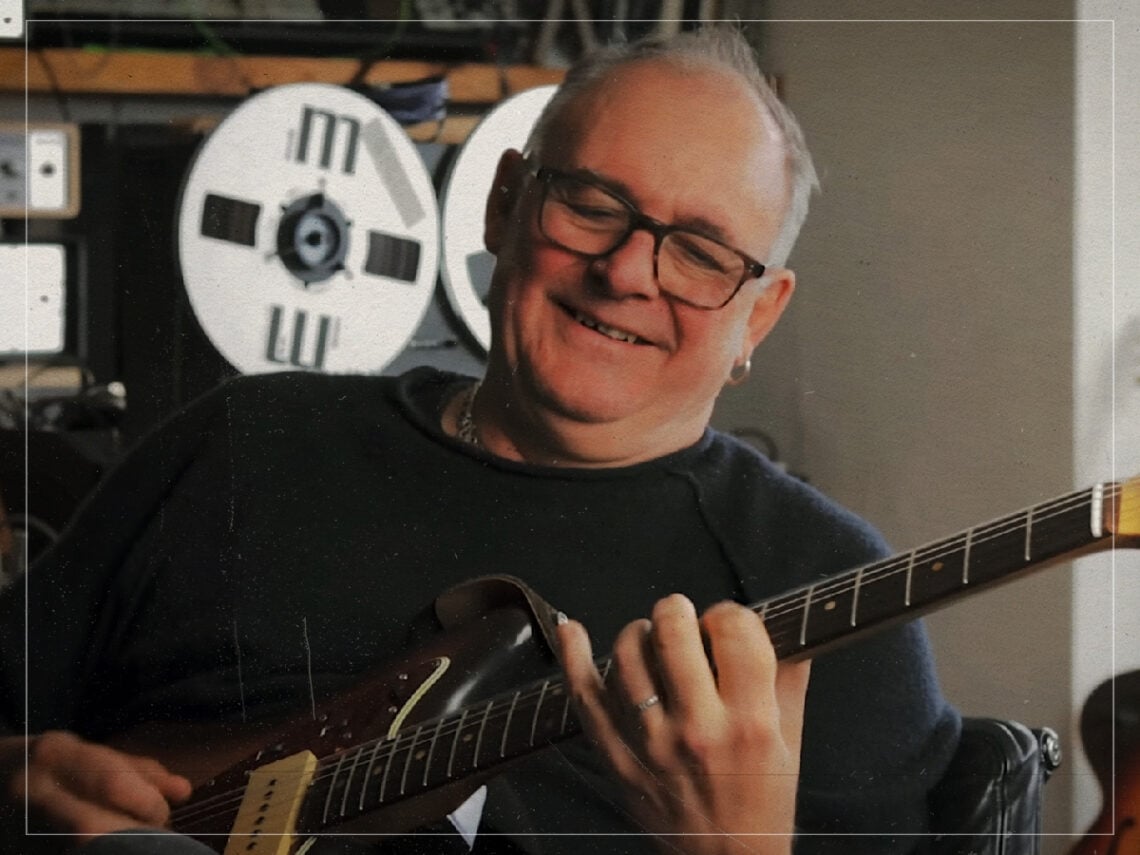
“It’s really weird”: Guitarist Adrian Utley reveals his favourite Portishead song to perform live

Success can be achieved in any combination of luck, originality, taste, passion and talent. It can be measured by fame, virtue, influence, or financial gain; criteria that hold different degrees of importance depending on who you speak to. If you speak to me about Bristol-born band Portishead, I will tell you that this trio had success by pretty much every interpretation.
Sure, they may never have sold out stadiums quite like Taylor Swift or stood at the helm of a cultural revolution like The Beatles, but within their field, Portishead flooded the ceiling.
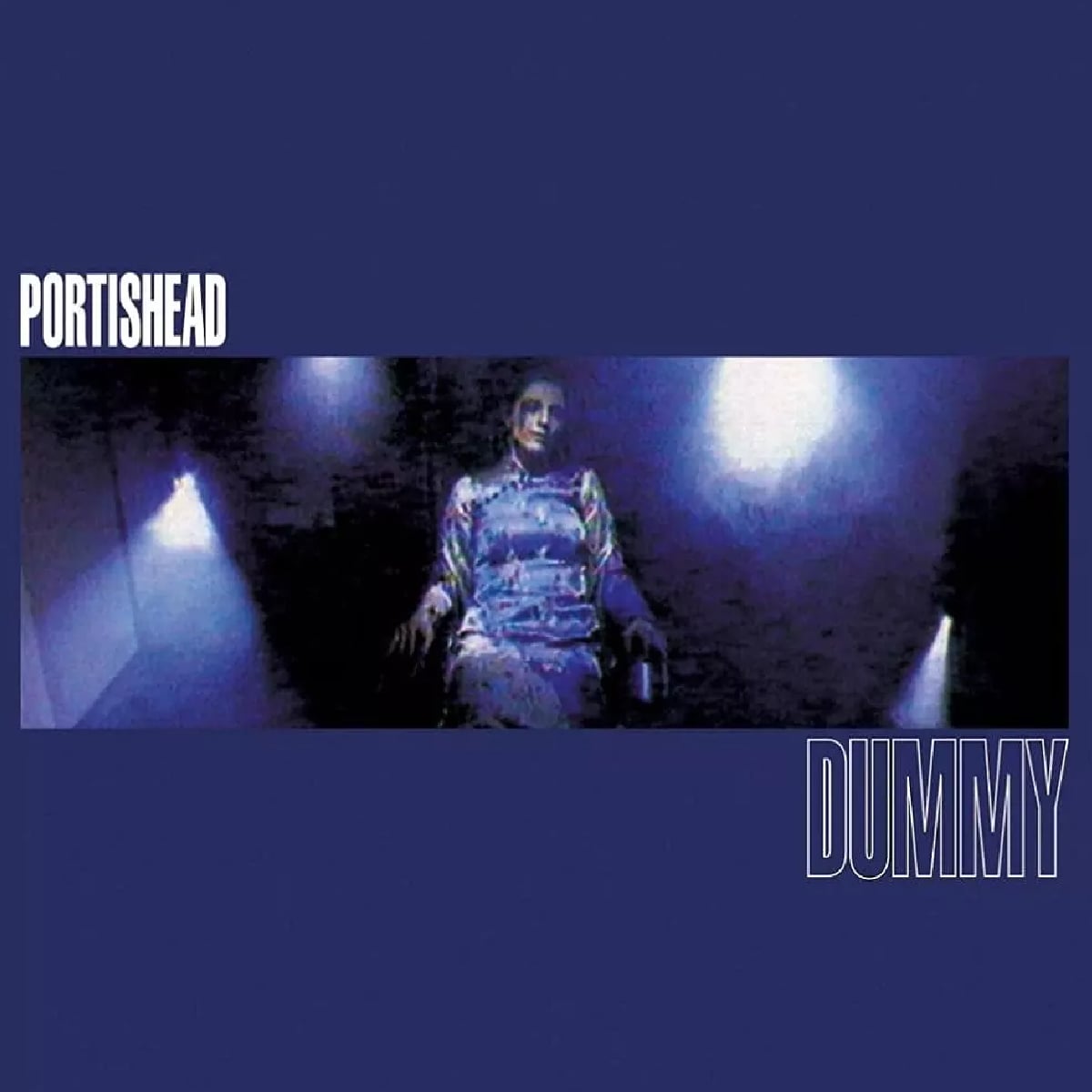
Most impressively, the three-piece reached a peak from the get-go. Their 1994 debut album, Dummy, brought a fresh, if morose, facade to popular music that blended elements of jazz, rock, hip-hop and experimental electro with Beth Gibbons’s haunting and endlessly captivating vocals. To debut with such an original work of art is extremely rare and is a testament to guitarist Adrian Utley’s experience up to that point as a daring jazz enthusiast and studio-primed guitar maestro, and Geoff Barrow’s prodigious production prowess, hip-hop sensibilities and multi-instrumental capabilities.
Portishead are frequently branded as a trip-hop act by fans and critics alike – a label with which they have never been particularly comfortable. Emerging just a few years after Bristol neighbours Massive Attack, major progenitors of the genre, it is understandable that they would be inevitably tarred with the same brush, owing to their mutual affinity for down-tempo, sample-based music. I’m afraid we writers have a genre-labelling fetish that just won’t quit. When I spoke to Utley for an interview in 2024, it became apparent that they prefer to let the music speak for itself.
If Dummy carved out a subgenre of its own (somewhat related to Massive Attack’s sound), the band’s eponymous follow-up album of 1997 drove the nail deeper, finding a new stratum of desolation and gothic psychosis. Sonically, the album wasn’t drastically different from its predecessor. The main difference was a near-total absence of samples (‘Only You’ sampled Ken Thorne’s Inspector Clouseau score and ‘She Said’ by The Pharcyde), with the band instead opting for original foundations, often sampling recordings of their own creation within the songs.
In 2024, Utley remembered the Portishead project as one of immense pressure due to their successful debut. “There wasn’t massive pressure from a record company – nobody’s ever interfered with us really,” he admitted. “It was personal pressure within us, going, ‘Christ, we can’t do that again. We can’t repeat what we’ve just done!’”. The second album had to maintain attention from the vast, impressively global following, avoiding stagnation at every turn. The release didn’t necessarily re-invent the wheel, but it delivered another compelling, nuanced piece of work incapable of alienating the converted.
Following the lauded Roseland NYC Live album of 1998, Portishead entered a hiatus, during which the three members took on separate external projects. Though the band has frequently regrouped for tours, festival performances and charity concerts, they have only added one further album to their catalogue to date, 2008’s third studio album, aptly titled Third. From the spectrally propulsive acoustic highlight ‘The Rip’ to the unprecedented lead single ‘Machine Gun’, Third brought a more diffuse product, betraying a desire to evade any shade cast by the trip-hop umbrella.

Gibbons’ unmistakable majesty and the hallmark aura of gothic desperation dutifully bound a wanton lack of cohesion, maintaining rapport with the critics, and challenging fans to take a step into the unknown. As far as I am concerned, Third is a triumph, a calculated marriage of the experimental and accessible. Perhaps fewer listeners are familiar with the album than they are with Dummy, but that only strengthens the appeal once the line is crossed.
Identifying his soft spot for the late release, Utley remembered how the sessions saw Gibbons grow in instrumental confidence. While Utley composed the vast majority of the band’s original string-based instrumentals, Gibbons was the mastermind behind ‘Threads’, his favourite song to perform on stage. “It’s one that Beth had written the guitar part for. It wasn’t me,” he humbly revealed. “I really enjoyed playing that because it’s really weird. She recorded a load of stuff and then chopped it all up. It’s fucking weird, and there’s another aspect to it live that’s really intense.”
Closing out the Third tracklist, ‘Threads’ pulses through an eerie landscape, pivoting between an ominous lead motif and edificial choruses of intense synth, percussion and crashing chords. Meanwhile, Gibbons meanders through familiarly stark lyrics fraught with introspection and existential crisis, working the waves into a lather with the salient refrain, “I’m always so unsure”. It is no surprise that Utley enjoys driving the monochrome intensity of this six-minute show-stopper.
