


Acid Bath: the forgotten forefathers of 1990s metal

In the 1990s, the future of metal bubbled up from the Louisiana bayou.
From its darkest depths came sludge metal (talk about an appropriate goddamn name), an extreme subgenre of heavy metal that pulls influence from hardcore punk and doom metal.
This murky underworld made its damn-near unforgettable mark with all the dark lyricism, down-tuned guitars and unforgiving tempos, and set the foreground for a southern gothic twist on the metal genre. Forming a basis for the nu metal and industrial subsets of metal to reach wider audiences, sludge found unlikely heroes in a band from the suburbs of Louisiana called Acid Bath (Listen at your own risk).
Acid Bath formed in 1991, branching off from two local groups, Golgotha (singer Dax Riggs, guitarist Mike Sanchez and drummer Jimmy Kyle) and Dark Karnival (guitarist Sammy ‘Pierre’ Duet and bassist Audie Pietre). Sludge metal was already festering among their peers in New Orleans, but Acid Bath, who all grew up in neighbouring rural areas surrounding the city, were immediately different and you could easily tell.
Their influences ranged wider beyond the confines of heavy metal, sourcing sounds from the likes of Depeche Mode and The Doors. Leaning into their Louisiana roots, Acid Bath also fused elements of Southern bluesy rock, country and folk. Such produced a strain of metal that was largely unheard of, one that found the perfect balance in melodic doom most closely heard in Black Sabbath. In all, Acid Bath blended a strange mix, but crafted a sound that proved foundational to the revival of metal.
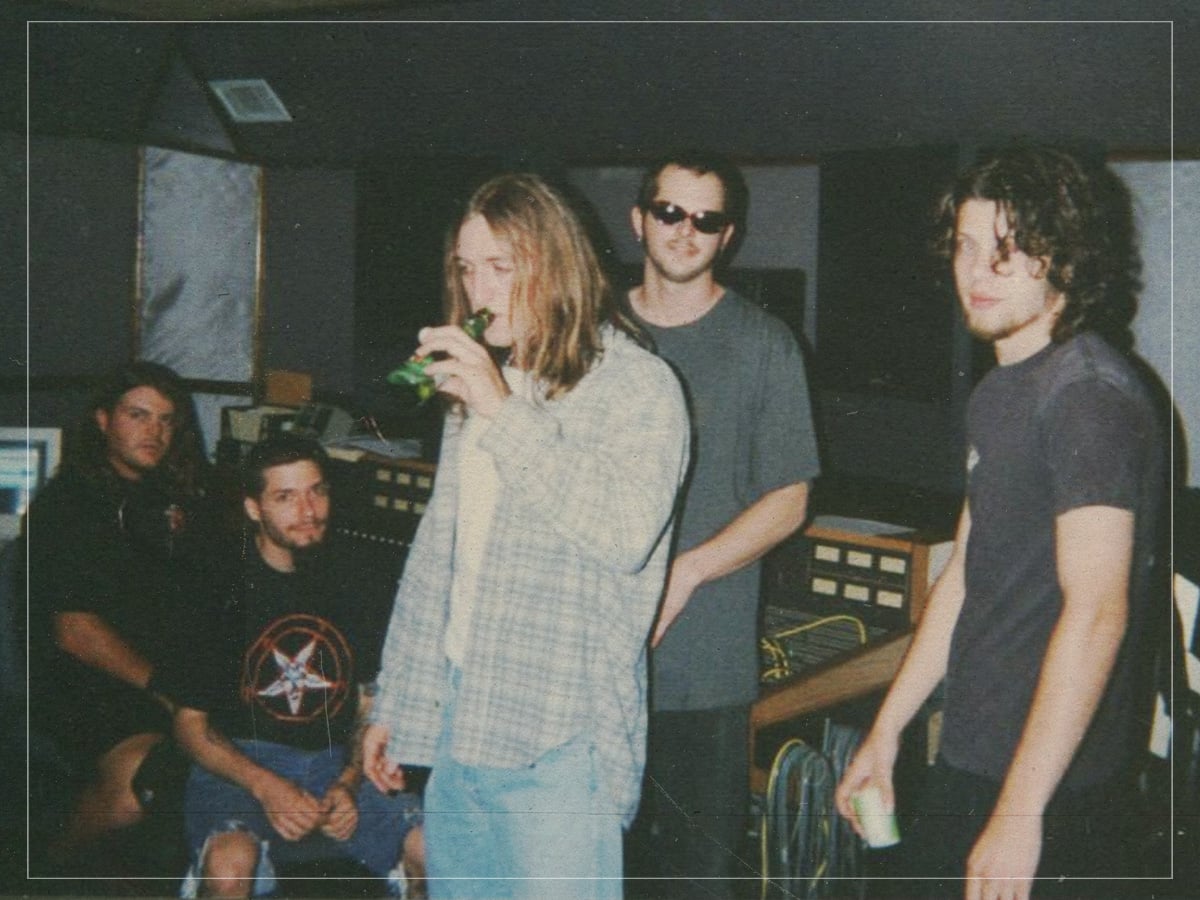
Their debut album, When The Kite String Pops, was released in August 1994. Harnessing their eccentric sound, their allure was amplified even further through their lyricism. As the principal songwriter, Riggs writes with a morbid pen. He personifies strange, hallucinogenic trips, often sung in a folk-like drone. He doesn’t shy away from brutally violent visions on darker songs that are not for the faint of heart, but shows an ability to lean into a more energetic side on songs like ‘Tranquilized’. Heavily reliant on shock value, there is an overarching existential dread that weaves across each song. As Riggs’ vocals oscillate from melodies to screams, he reaches the spectrum of emotions that lie within the darker side of reality.
When The Kite String Pops went on to become a cult classic, their savage rendition of doom metal unrivalled in Louisiana’s metal underground. In conversation with Louder Sound, Riggs says, “It felt like we were the only people making any kind of extreme music where we were from. We were outside it all in our own creation. We had room to grow the way we were supposed to.”
This growth is heard on their second album, Paegan Terrorism Tactics, released in November 1996. Riggs’ funereal poetry continued to meditate on death, sexuality and hallucinogenics; the album’s opener, ‘Paegan Love Song’, begins with the line, “Dying felt so goddamn good today”, in reference to coming down from a drug trip. Sonically, the album has more slow, lucid moments, with songs like ‘Bleed Me An Ocean’ hearing a more harmonious side to their doom. While never forfeiting the sludge-soaked adrenaline of their heavier side, Acid Bath experiments with sonic structures that create a disorienting haze that envelops the listener.
Acid Bath earned the reverence of new fans across the South, as well as their peers in Louisiana. They befriended the likes of Crowbar and Eyehategod, fellow founders of the sludge metal sound, during their ventures to the city to play late-night gigs, which were quickly selling at capacity. Acid Bath steadily toured, with one particular gig in Iowa seeing them play with a band that wore freakish-looking masks. Of course, they were Iowa natives, Slipknot.
“It was still very early days for them. At the time they’d got a different singer—Corey hadn’t joined yet,” Duet recounts to Louder Sound. “Clown was actually the promoter of that show. As I recall, they still had a lot of that theatricality and Clown was there beating these beer kegs.” While that night was a fleeting moment during the grind of touring, Slipknot proved impossible to forget, as Duet realised: “They were just this local band, but a few years later I saw them on TV and it was like, ‘Wait, it’s these fucking guys!’” Now fronted by Corey Taylor, Slipknot has cited Acid Bath as a major influence, particularly on their self-titled debut. On their most recent album, 2022’s The End, So Far, the song ‘Acidic’ is supposedly a tribute to them.
Just as their cult following was growing stronger, Acid Bath abruptly ended when their bassist, Audie Pietre, was killed in a car crash. Despite trying to keep the band going for a short time, they eventually went their separate ways. Duet went on to join Crowbar, before forming his black metal side project, Goatwhore (who gained a cult following of their own). Riggs and Sanchez formed Agents of Oblivion and released a self-titled album in 2000 before disbanding. Riggs has had a prolific (and criminally underrated) career, forming the blues-rock band Deadboy and The Elephantmen before going solo. He has released three albums and an EP earlier this year, all melding bluesy rock elements with a Southern gothic twist.
A steady circulation of Acid Bath’s music across corners of the internet, including a rabid fanbase on TikTok, seems to have somewhat manifested their return. 28 years after their disillusion, the Sick New World Festival approached Duet about reforming Acid Bath and the rest, as they say, was history. Sick New World ended up being postponed, but Acid Bath continued to garner prominent spots on festival lineups across the US, including Sonic Temple and Welcome to Rockville. They have also popped up in cities across the country, selling out venues everywhere from New York City to California and, of course, their native Louisiana. Next summer, they will be going on their first proper tour since the 1990s, supporting System of a Down and Queens of the Stone Age.
It is impossible to talk about Louisiana metal, as well as the trajectory the genre has taken over the last three decades, without mentioning Acid Bath. Their spectrum of influences yielded a wave of extremity in metal that is still heard today across the subsets of doom, death and hardcore. The excitement of seeing them back on stage with as much venom as they had three decades ago is palpable, and signals an intriguing turn in contemporary metal.
