


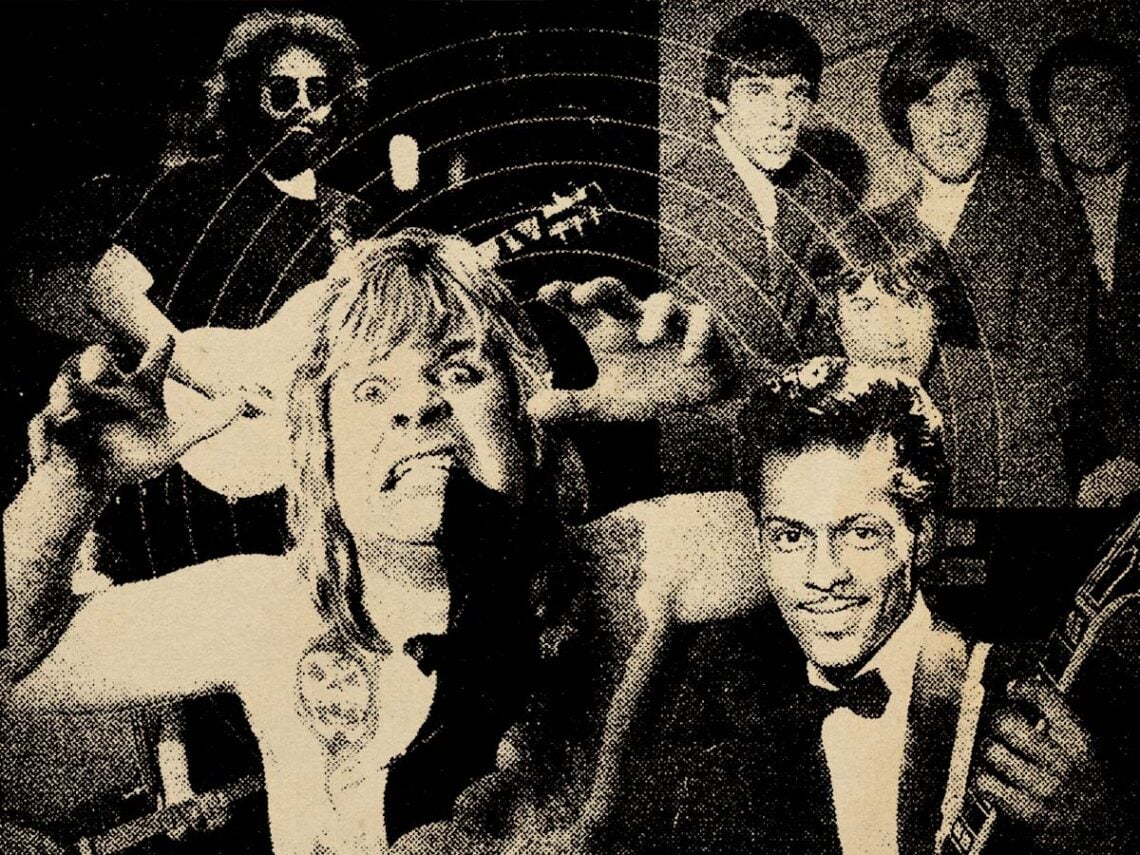
A definitive guide to the six genres of rock music

The word rock is so embedded into our musical vocabulary in the modern age that it essentially applies to every style out there.
When Elvis Presley started becoming a big name within the world of rock ‘n’ roll, the reason his manager was so keen on getting him into Hollywood was that he didn’t think the genre had any longevity. In his mind, it was just a phase. It’s funny to think of now, given the genre is one of the biggest in the world, and has given rise to a number of different subgenres.
It’s these subgenres where things get messy. It seems that almost every single band out there has the label of rock attached to them in some way, to the extent that it’s hard to know where one branch of this style of music ends and another begins. Prog, psych, heavy metal, classic, what does it all mean? Well, luckily, Far Out is here to explain everything.
Here, we will talk about the origin of rock ‘n’ roll and how what could have been a fad in America wound up becoming attached to the majority of music in the modern world.
The definitive guide to every genre of rock music:
Rock ‘n’ roll

There were a few different genres that contributed towards the creation of rock ‘n’ roll. The two most noteworthy styles were R&B and the American blues. It was energetic and allowed the guitar to be the main instrument, which meant people were playing solos and upbeat riffs throughout different tracks that were getting heads nodding and toes tapping all around the country.
It’s hard to definitively pinpoint which artist is responsible for the creation of rock ‘n’ roll, as there were a number of different musicians contributing towards this new sound. Chuck Berry is pretty frequently called the first true rock ‘n’ roller, but there are others who say that Jackie Brenston’s ‘Rocket 88’ was the first iteration of the genre.
The song was recorded in 1951 and went on to inspire a lot of the artists who came after it, such as Chuck Berry, Little Richard, and Bill Haley. Of course, while a lot of these musicians helped develop the genre, it was Elvis Presley who made it commercially successful. No artist had risen to stardom in the same way that Presley did, as suddenly, the genre was taken beyond America and was resonating around the world.
The sound was certainly polarising, as a lot of people thought that the way artists moved was a bit too risqué, and their lyrics were implicitly sexual. You can certainly understand where people were coming from, given that the term ‘rock ‘n’ roll’ itself was originally slang for sex. Regardless of whether people loved it or hated it, the fact of the matter was that rock ‘n’ roll was here. There were many who thought that it was just a fad, but this new energetic blend of R&B and blues would change the musical world as people knew it forever.
The resurgence of rock

While Americans were making early rock ‘n’ roll music, the sound was expanding far beyond the parameters of the United States alone. In the United Kingdom, budding rock stars were hearing these songs and allowing their entire lives to be shaped by them. It was a lot of these artists who continued making such music (or at least a variation of it) once the original artists stopped.
There were a variety of reasons as to why a lot of those original artists gradually faded out of the music industry. Jerry Lee Lewis found himself in the middle of controversy after he married his 13-year-old cousin, Chuck Berry was arrested, and Little Richard left behind the devilish ways of rock ‘n’ roll for religion. People around the world were hooked on the genre, but suddenly, there were few people actually making it, and that’s where the bands who made up the British Invasion came in, as they led the rock resurgence.
Naturally, The Beatles left their mark on the music industry, but arguably, one of the most important bands during this period was The Kinks, specifically with their song ‘You Really Got Me’. The A chord that the band play on that track is one of the most important A chords which has ever been uttered on the six-string, as the power with which it was played, paired with the hints of distortion and fuzz present in the amp, essentially laid the groundwork for guitar playing within the rock genre.
Steve Van Zandt of the E Street Band remembers how groundbreaking the song was when it first came out. “That was a radical-sounding record,” said Steve Van Zandt when talking about the song, “When this came on the Top 30 radio, it was completely new to us. It went very high, as did ‘All Day and All of the Night’. It was radical, and you have to give [producer] Shel Tamy credit for that.”
It was this sound that was developed and led to what we simply refer to as ‘rock’. However, as we all know now in the year 2026 (at the time of writing), the genre didn’t stop here and branched off into a number of different subsections, as varying bands, artists, and societal issues meant that things steadily changed.
Psychedelic rock
The first time psychedelic rock started to poke its head above the water was towards the back end of the 1960s. It was a pretty divisive genre at the time, as while a lot of people heard it and thought that it was the next level of rock, there were others who felt as though the genre was too experimental to be considered good.
The seeds for such psychedelia were planted by bands like The Beatles, who showed the potential of the sound with their commercial hit Sgt Pepper’s Lonely Hearts Club Band (which some also cite as a precursor to prog rock). On top of that, you had bands like Love, The Pretty Things and The 13th Floor Elevators testing the waters, essentially expanding rock music beyond what people understood it as at the time.
The bare bones of rock was still present, however the sound was a lot more layered, with bands using a variety of different effects to play strange-sounding songs, and those songs weren’t necessarily made for the radio as they were all well over five minutes long. It was an off-kilter kind of sound, and one that musicians like Jimi Hendrix didn’t enjoy, given he felt it put experimentation ahead of making actually decent music.
“Here’s one thing I hate, man,” he said, “When these cats say, ‘Look at the band. They’re playing psychedelic music!’ All they’re doing is flashing lights on them and playing ‘Johnny B Goode’ with the wrong chords. It’s terrible.”
Pink Floyd is one of the most famous psychedelic rock bands on the planet, and band member Roger Waters somewhat agrees with Hendrix’s sentiment. He has previously admitted that he didn’t like some of his early music because of how directionless the whole thing was. However, eventually, as the genre found a lot more form, with bands like Pink Floyd refining their sounds, the experimentation period was over. Artists had worked out what they liked and didn’t like about psychedelic rock and now had a better way of channelling it; it’s a subgenre that people are still listening to and making constantly.
Prog rock
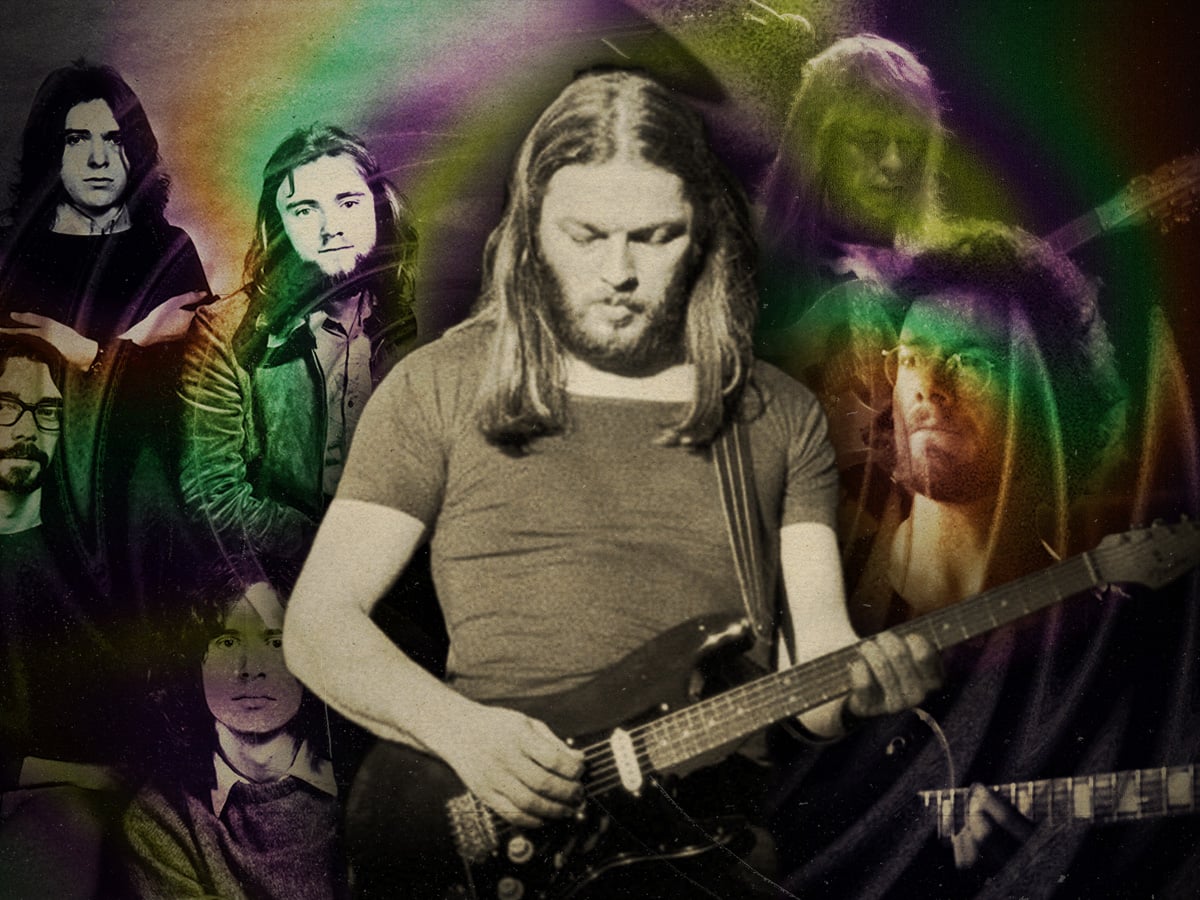
Prog rock has always been a genre that people have found difficult to define. Lucky for us, one of the biggest names within the genre has already done so. When Frank Zappa was talking about prog rock, he said that it was basically mainstream rock music but with something off-kilter injected into it.
“I would presume that people would accept this definition,” he said, “Progressive rock is anything that doesn’t sound like regular rock. Regular rock is everything that sounds like itself. All songs which sound the same, everything on MTV, everything on the radio, that’s rock. Progressive rock is stuff that doesn’t sound like that.”
You can hear additional elements in a couple of ways; firstly, through bands injecting different genres and styles of music from other countries into rock music. Led Zeppelin did this pretty effectively, as well as bands like Cream, Jethro Tull and Rush. You also hear additional elements with the narratives that are attached to songs, as bands weave stories about fantasy and sci-fi into their records. Ian Anderson spoke in an exclusive interview with Far Out about the three bands that helped pave the way for prog rock and inspired bands that have dominated the genre. These were Pink Floyd, The Beatles and The Nice.
“I suppose one of the precursors before it was really being called prog rock,” said the tight-sporting flautist, “Probably at a time when maybe progressive rock had just being maybe mentioned for the first time in the British music press, it would be the band The Nice, which featured Keith Emerson, who went on to be in Emerson, Lake & Palmer, a true prog rock band years later. But yes, I would go with The Nice and their first major album, which…name escapes me. That was something that got me fired up.”
Anderson continued, “I could also include Piper at the Gates of Dawn and The Beatles’ Sgt Pepper’s in 1967, released only three months apart from each other. Those two were a signpost saying, ‘Progressive rock this way’. They were intriguing because they were a sign of things to come.”
Heavy metal
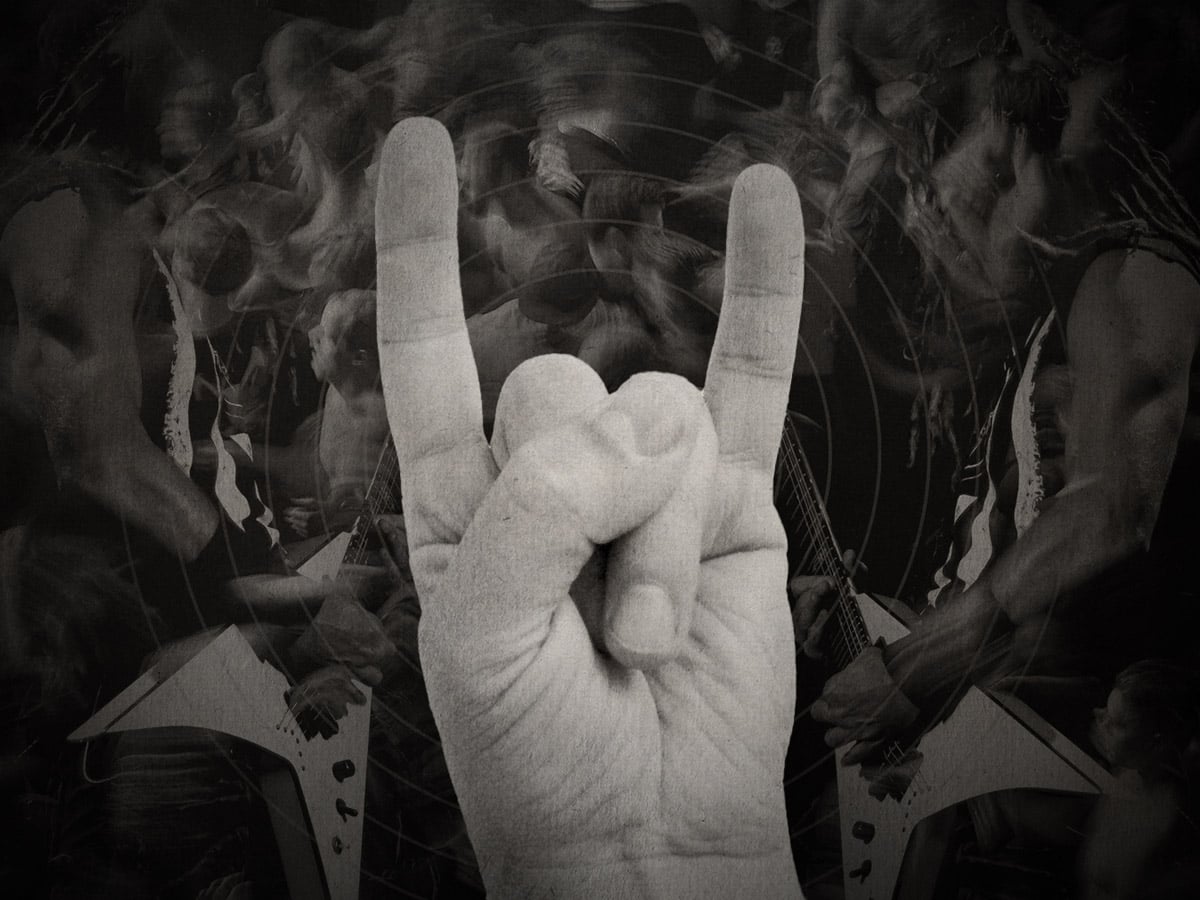
One of the founders of heavy metal, Ozzy Osbourne, confessed that he was originally inspired by the rock resurgence bands such as The Beatles. “I remember it like it was yesterday,” he said, “I was walking around with a transistor radio on my shoulder. And ‘She Loves You’ came on. And I don’t know, it just went, ‘Bang! And that’s what I want to do! Wouldn’t it be great?’”
While The Beatles may have lit the fire in Ozzy that made him want to make music, what Black Sabbath went on to do was a lot different to ‘She Loves You’. Their sound is considered one of the most honest reflections of a band’s home town and surrounding circumstances ever made. Growing up in post-war Britain, the majority of people were working dead-end factory jobs and struggling to climb the economic ladder. Music wasn’t just a bit of fun; it was a total release, as people used it as a form of escapism.
Black Sabbath were one of the bands who leant into this escapism, but then there were a few other issues that assisted with them developing their sound. The first thing was that Tony Iommi lost the tips of his fingers while working in one of those factories and fashioned new tips out of plastic, which worked fine, but he needed to loosen his strings so that he could bend them; this created a much deeper guitar sound.
You also had Geezer Butler on bass, and this wasn’t his first instrument. The majority of bass runs in rock at the time were very melodic, but Butler could only mimic what Iommi was playing, and the result was that the sound of Iommi’s guitar grew even deeper, creating a strange sense of dread.
Finally, the lyrics from the band were quite terrifying. They spoke of fake monsters but also real ones, as tracks danced between fantasy, war and mental struggles. The result was this doom-laden and aggressive sound, which we have since called heavy metal. It was very ahead of its time, but for a lot of listeners who were in similar positions to the band, it made for the perfect form of escapism. Before long, it became one of the biggest genres in the world, and has since developed its own range of subgenres.
Classic rock
Finally, you have classic rock, and this is a pretty short one to explain. It doesn’t actually have a specific sound, but is instead just a term used to describe that rock music of old. You had The Kinks in the mid-‘60s, and then the sound that they and their contemporaries made led to the development of the genres spoken about above.
A lot of the people who were listening to these extensions of the genre were growing tired of how overly complicated everything became, and they just wanted the sound to go back to how it was. As such, everything that represented the older version of rock, that which didn’t have so many bells and whistles attached, was affectionately referred to as classic rock. Additionally, if a band had a ‘classic rock’ sound, this meant they were more reminiscent of a lot of the mainstream acts in the ‘60s and ‘70s.

Never Miss A Beat
The Far Out Beatles Newsletter
All the latest stories about The Beatles from the independent voice of culture.
Straight to your inbox.