


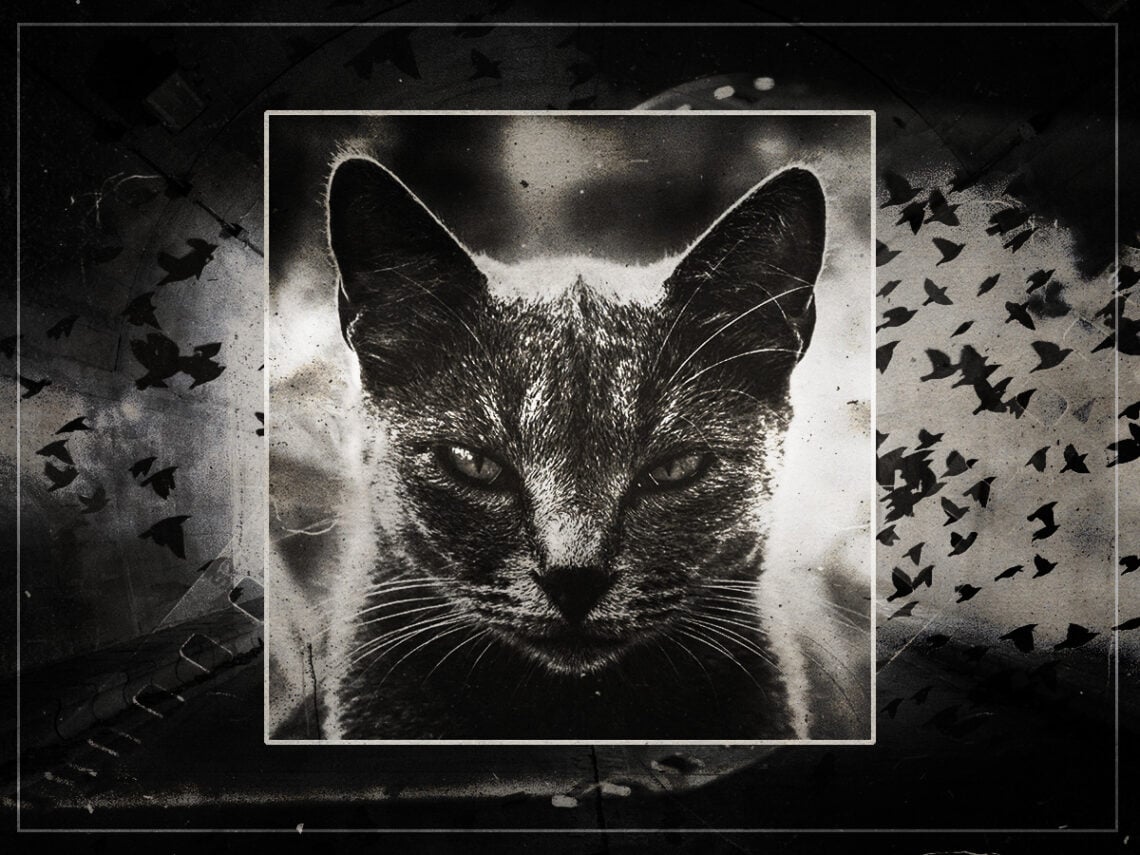
How a cat inspired one of cinema’s greatest horror villains

The 1970s and ’80s gave rise to some of the most iconic villains the horror genre has ever seen, and many of them remain as popular now as they’ve ever been, while the majority have been rebooted or remade at least once. A cute and fuzzy feline might not be the first thing that comes to mind when you think of A Nightmare on Elm Street antagonist Freddy Kreuger, but that’s the magic of cinema.
Robert Englund infiltrated both the dreams of his victims and the public consciousness when Wes Craven’s 1984 classic hit cinemas in 1984, giving rise to a long-running franchise anchored by an unforgettable villain who weaponised one of humanity’s primal fears by infiltrating the dream world in order to wreak havoc.
There are several elements of Freddy’s presentation that have become synonymous with the character over the years, whether it be his signature fedora and striped sweater, the ominous screech of his razor-fingered glove, or Englund’s deadpan delivery and self-deprecating humour that saw the Elm Street saga gradually incorporating more jet-black comedy into its DNA as the saga progressed.
That being said, you wouldn’t expect an innocuous cat to have made a major contribution to one of horror’s most instantly recognisable villains, especially when Freddy has never been captured on film dismissively pushing things off the edge of a table and onto the floor.
And yet, in the Friday the 13th book that covered the entire history of Jason Voorhees’ many misadventures – including his crossover with Craven’s creation in Freddy vs. Jason – the genre legend behind The Last House on the Left, The Hills Have Eyes and Scream credited his kitty for helping him find a way to tap into Freddy’s ability to prey on people’s deepest, darkest fears.
Noticing his cat was occupying itself by clawing away at his couch, the filmmaker suddenly had a eureka moment that would swiftly go down in horror folklore. He said: “I was also looking for a primal fear which is embedded in the subconscious of people of all cultures. … [One] is the claw of an animal, like a saber-tooth tiger reaching with its tremendous hooks. I transposed this into a human hand.”
With the soon-to-be unmistakable glove in his mind, Craven continued compiling the various traits that would eventually turn Englund’s terrifying killer into the stuff of nightmares, both figurative and literal: “Part of it was an objective goal to make the character memorable since it seems that every character that has been successful has had some kind of unique weapon, whether it be a chain saw or a machete.”
Jason has his hockey mask and machete, Michael Myers has his trusty boiler suit, Leatherface has his bloodstained overalls and penchant for turning his victims into something he can wear on his face, but Freddy’s origins stemming from a household pet making mischief is something that can’t be said about the rest of the medium’s enduring titans.
