


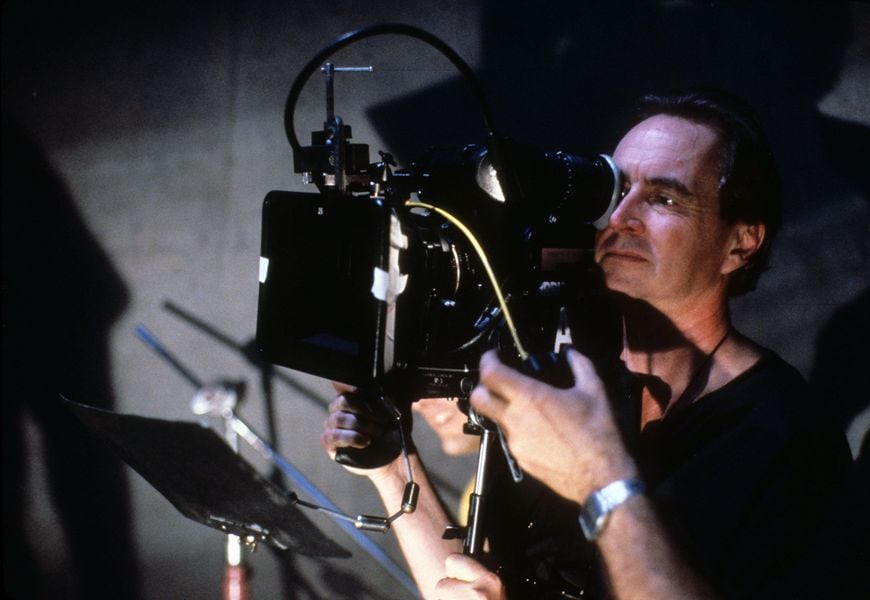
The creativity and controversy of Wes Craven

American filmmaker Wes Craven cemented himself as one of the masters of horror through his writing, directing, editing, and producing. It goes without saying, the horror genre culturally and artistically progressed through his contributions. He shaped his selected genre by using its conventions and then later satirising them using intelligent meta-humour.
Craven’s style can be recognised by the blurring of reality and illusion as a threat, black humour, and self-awareness. The director also explored trauma, a frequent yet underdeveloped element in horror, and dysfunctional relationships.
Furthermore, Craven was interested in the breaking down of societal structures. He explained this as “ideas that come out of families which are fractured or disturbed in some way are the most profoundly terrifying things to me”. However, as brilliant as Craven was at creating horror movies, his career had its faults. One of his most recognised releases sparked a huge controversy due to its extreme depiction of violence.
Craven’s feature directional debut came in 1972 with The Last House on the Left. The exploitation horror follows a disturbed gang of youths who kidnap, assault and murder two girls. However, a brutal vengeance awaits them after one of the parents discovers what has happened.
This film was Craven’s attempt to answer “can a movie go too far?”. Its depiction of sexual and physical violence shocked audiences of the time. This added to cultural perceptions of the matter, following Vietnam and the Manson family. Craven’s goal was to depict realistic violence and cathartic revenge. He has also confessed guilt in its shock factor.
The content has been questioned, with fans citing it as a ‘poor start’ to Craven’s filmography. There is a push and pull when considering the graphic sexual violence against women. As vicious and upsetting as it is, those who exert it meet a brutal fate as punishment.
Feminist viewings of the film are surprisingly mixed as a result of the abuser’s fate. Some consider the whole film another spiteful act of degradation, others interpret it as a warning about sexual violence towards women. There is also the criticism that the revenge is carried out by an external presence rather than the victim taking back her own narrative.
A modern assessment of The Last House on the Left has highlighted its cult classic status. There have also been proposals as to what the film could have done better, following contemporary rape revenge movies such as the 2017 film Revenge. Craven’s career after this was free from heated reception. His proceeding movies strayed away from such overt gendered violence and into some quality examples of horror filmmaking.
His (official) second film was The Hills Have Eyes, released in 1977, which depicts a family that is targeted by a group of vicious cannibals after getting lost during a trip. This movie explores social rejection and a family breaking down due to psychological terror. Craven creates a balance between atmospheric suspense and visual brutality, as the fates each family member meets are tragic as they are gory.
Following the release of this project, Craven realised his place in filmmaking, as “it soon became clear that I wasn’t going to do anything else unless it was scary”.
In Nightmare on Elm Street, released in 1984, Craven explored the concept of a killer that gets you in your sleep. This stands as one of horror’s most creative and unique premises, so much so that it’s difficult to replicate the idea without clearly ripping the original off. Freddy Kruger is one of the immediate faces of the genre, stemming from his inventive yet horrific appearance.
Craven’s tenth film is an example of horror’s fascination with social commentary. Released in 1991, The People Under The Stairs critiques mass capitalistic values and gentrification in its plot about landlords evicting a working-class family. This idea of societal critique is now frequent in today’s horror, demonstrating Craven’s vision.
His 1996 movie Scream, meanwhile, is cited as rejuvenating what was then considered a dying genre. Craven’s blend of traditional horror and commentary self-aware satire was hugely successful, and it has since created a beloved franchise and influenced contemporary slashers. Sidney Prescott stands as one of the top final girls, with Ghostface as an iconic horror villain.
Overall, Craven’s creative contributions have seemed to outweigh his controversial debut. It seems that his style progressed from traumatic imagery to something more stylistic.
When observing his career, Scream’s intelligent self-awareness and Nightmare on Elm Street’s original concept have clouded The Last House on the Left’s gendered violence. Even after his passing in 2015, Craven remains an icon in visual horror, with his work still receiving praise and support.
