


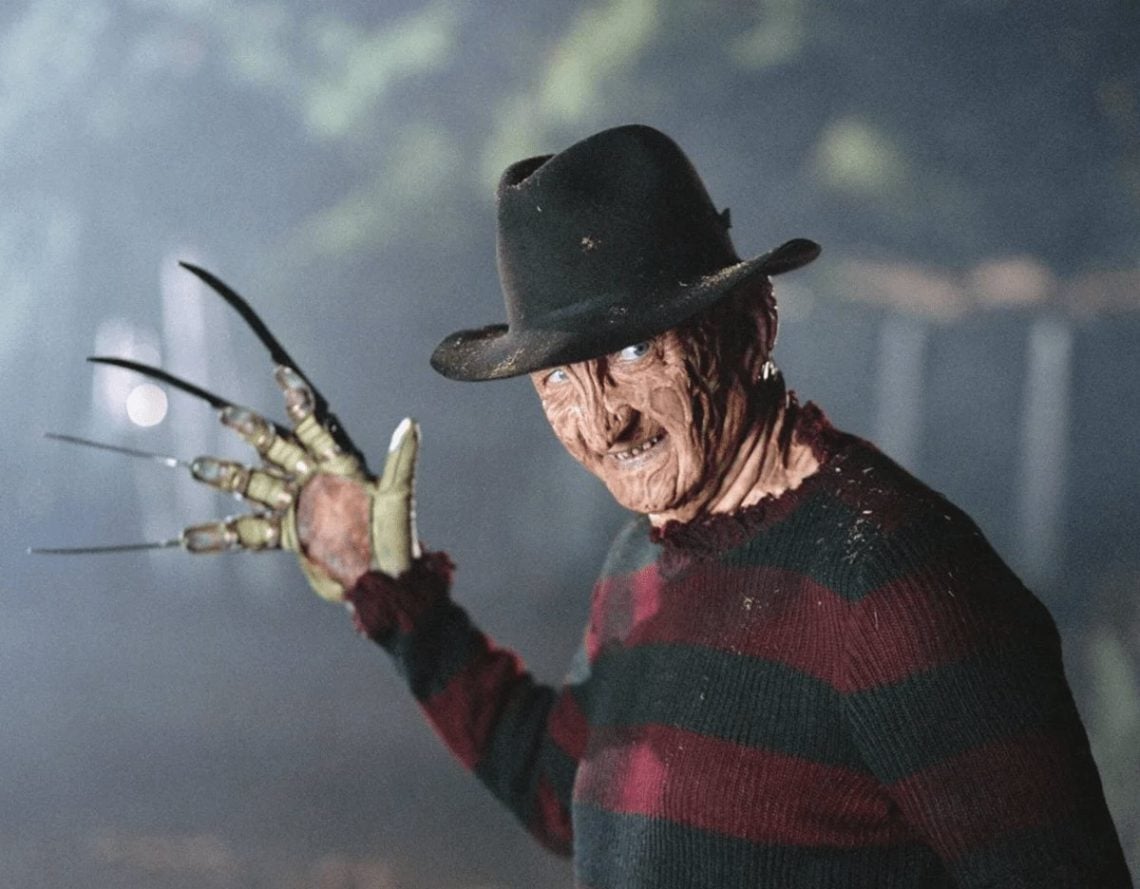
The terrifying true story behind Wes Craven’s ‘A Nightmare On Elm Street’

In the early 1980s, Wes Craven was on the lookout for new ideas. He wanted to make something genuinely terrifying, something relatable that would draw in as many people as possible. After months of searching to no avail, the perfect story suddenly fell into his lap in an old copy of the LA Times, in which he came across a story about a boy who had suffered violent nightmares only to die in his sleep. With that, he began working on the screenplay for 1984’s A Nightmare on Elm Street.
Following the critical success of his second film – The Hills Have Eyes, Craven was commissioned to make a couple of straight-to-TV movies. After that, the money dried up. With no paycheck for three years, he lost his house and was forced to borrow money to pay his taxes. Oh, and he’d developed a strong addiction to marijuana and cocaine, which didn’t make the money problem any easier. Everything was falling apart. And then, Craven spotted an opportunity.
“I’d read an article in the L.A. Times about a family who had escaped the Killing Fields in Cambodia and managed to get to the U.S,” the director told Vulture. “Things were fine, and then suddenly the young son was having very disturbing nightmares. He told his parents he was afraid that if he slept, the thing chasing him would get him, so he tried to stay awake for days at a time. When he finally fell asleep, his parents thought this crisis was over. Then they heard screams in the middle of the night. By the time they got to him, he was dead. He died in the middle of a nightmare. Here was a youngster having a vision of a horror that everyone older was denying. That became the central line of A Nightmare on Elm Street.“
The boy’s death wasn’t an isolated incident. Craven had found just one of many articles detailing the sleep-induced death of a Hmong refugee. Having fled genocide in Laos, Cambodia and Vietnam for a new life in America, many Hmong began suffering from extremely violent, potentially PTSD-related nightmares. They were so horrifying, in fact, that many refused to sleep for fear of dying.
The authorities lazily dubbed the phenomena Asian Death Syndrome, which afflicted men between the ages of 19 and 57 and was thought to be some form of sudden death syndrome, or perhaps Brugada syndrome, which affects the heart’s rhythm. Today, it is known as Unexpected Nocturnal Death Syndrome, though medical research has yet to provide a single adequate explanation for the deaths.
