


2014 was the best year for cinema this century – and hardly anyone noticed

2014 was a year of extremes for cinema. On the one hand, you had Grace of Monaco, one of the worst major releases in recent memory, opening the Cannes Film Festival. On the other, you had a steady stream of gems that may not have immediately caught on but which have, over time, become modern classics.
It’s always bold to call out specific years as being definitively better than others for film. Some people point to 1971 for all its brutal scrappiness. Others argue that 1999 was the peak. Personally, I’ve always been torn between 1946 and ‘47, when film noir reigned supreme. But when it comes to the 21st century, 2014 is tough to beat.
It wasn’t the greatest year for blockbusters, unless you’re a die-hard Guardians of the Galaxy or Lego Movie fan, and the Oscar bait was a little out of control (imagine having to watch The Theory of Everything, Imitation Game, August: Osage County, and Into the Woods all in the same year), but auteurs were really putting in the work. What’s remarkable about many 2014 releases is how prescient they were, from the noirish exposé of news outlets in Nightcrawler to the implications of AI romance in Her.
2014 was also the year that many future Oscar winners and nominees flexed their muscles, including Jonathan Glazer with Under the Skin, Lenny Abrahamson with Frank, and Ryan Coogler with his debut feature, Fruitvale Station.
It also saw the release of two of the best horror movies of the past two decades, albeit from completely different ends of the spectrum – The Babadook and What We Do in the Shadows. All the films listed here were released in cinemas across the UK in 2014, even if they debuted earlier elsewhere.
2014 was the best year for cinema this century:
14 February, 2014
Valentine’s Day brings a futuristic version of romance
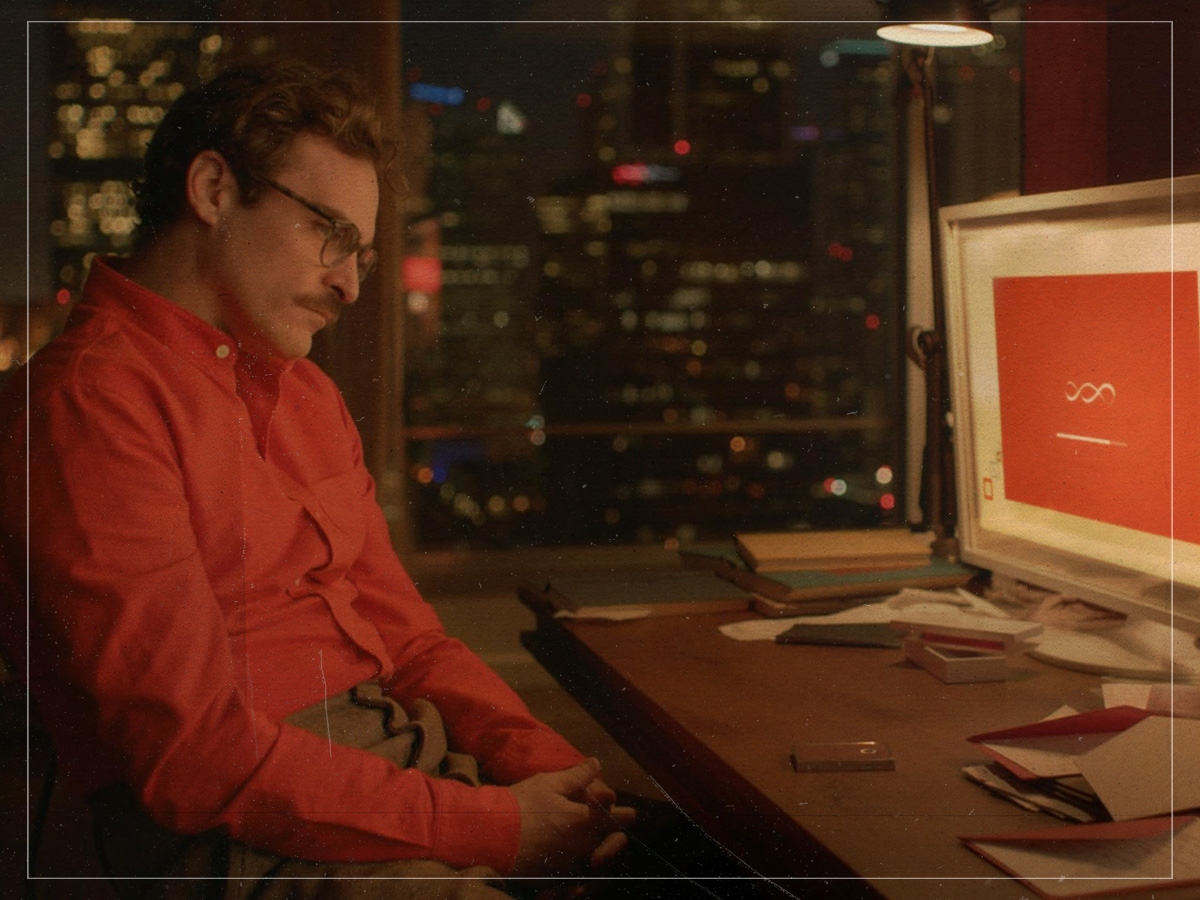
Spike Jonze’s near-future romance Her is a startlingly accurate portrayal of what is now a reality.
Sam Altman, the head of OpenAI, was so enamoured by Scarlett Johansson’s portrayal of an AI companion in this movie that he approached her about lending her voice to the company’s chatbot in 2023. When she declined, OpenAI created one that sounded almost identical anyway and had to remove it when the actor sued.
But this melancholy meditation on the nature of connection is so much more than a savvy prediction of things to come. Following its simple premise through to the end, it’s a refreshingly restrained stab at science fiction from a director who, at his best, can plumb the depths of existentialism and emerge on the other side with more hope than nihilism.
March, 2014
A colourful auteur returns to form
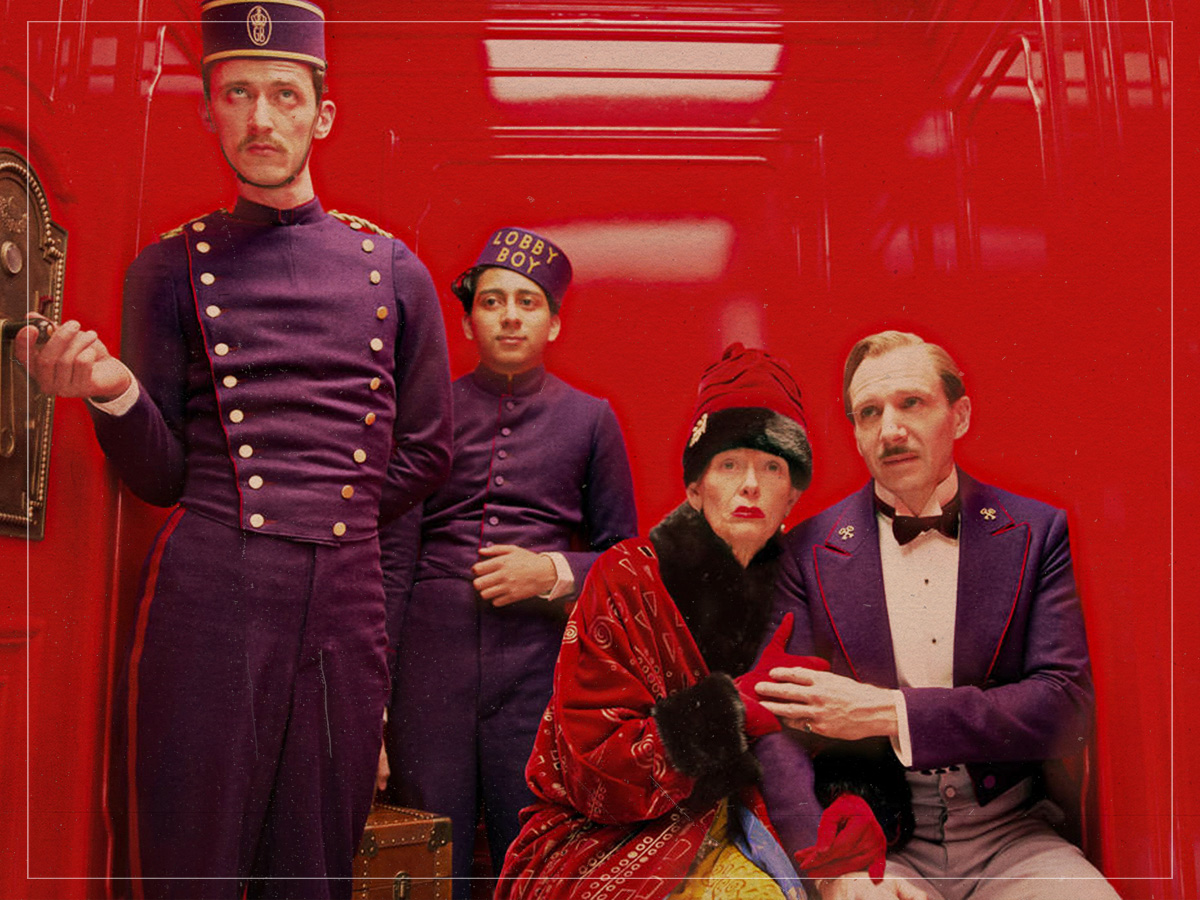
Wes Anderson has fallen prey to his own aesthetics in recent years, turning out movies that seem more like parodies of his previous work than original creative offerings. When it was released, The Grand Budapest Hotel looked like a return to form for a hit-or-miss auteur, but more than a decade later, it remains an outlier and a reminder of what he is capable of.
Full of wit and warmth and a rare comedic turn from Ralph Fiennes, its affectations and impeccable production design never detract from the human story at its centre. The plot is just complex enough to keep you engaged but does not descend into the sort of brain-numbing tangle that more recent Anderson efforts do.
March, 2014
A chillingly human extraterrestrial masterpiece
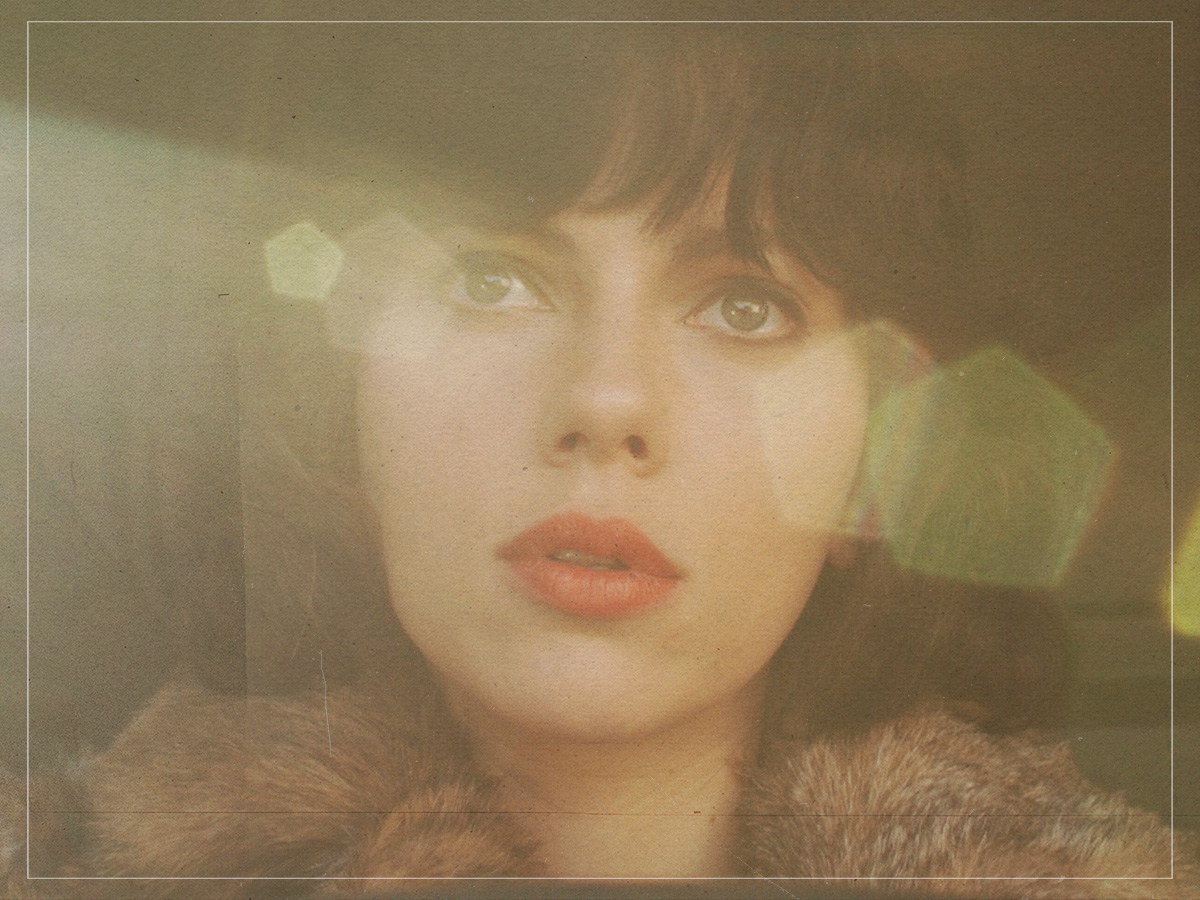
Jonathan Glazer broke several rules of the extraterrestrial genre with Under the Skin, presenting an alien who inhabits the body of Scarlett Johansson and roams the streets of Glasgow in search of male prey. Filmed largely with hidden cameras, this has a low-key, mesmerising, and sometimes borderline unethical feel to it that turns the audience into co-conspirators.
By giving the alien the guise of a mostly expressionless woman, Glazer leaves the audience to examine the reactions of the human characters. Completely lacking in sensationalism or cheap thrills, this movie is quietly alarming and, like Glazer’s future Oscar winner The Zone of Interest, uses the tools of cinema to unsettle the audience from the inside out.
April, 2014
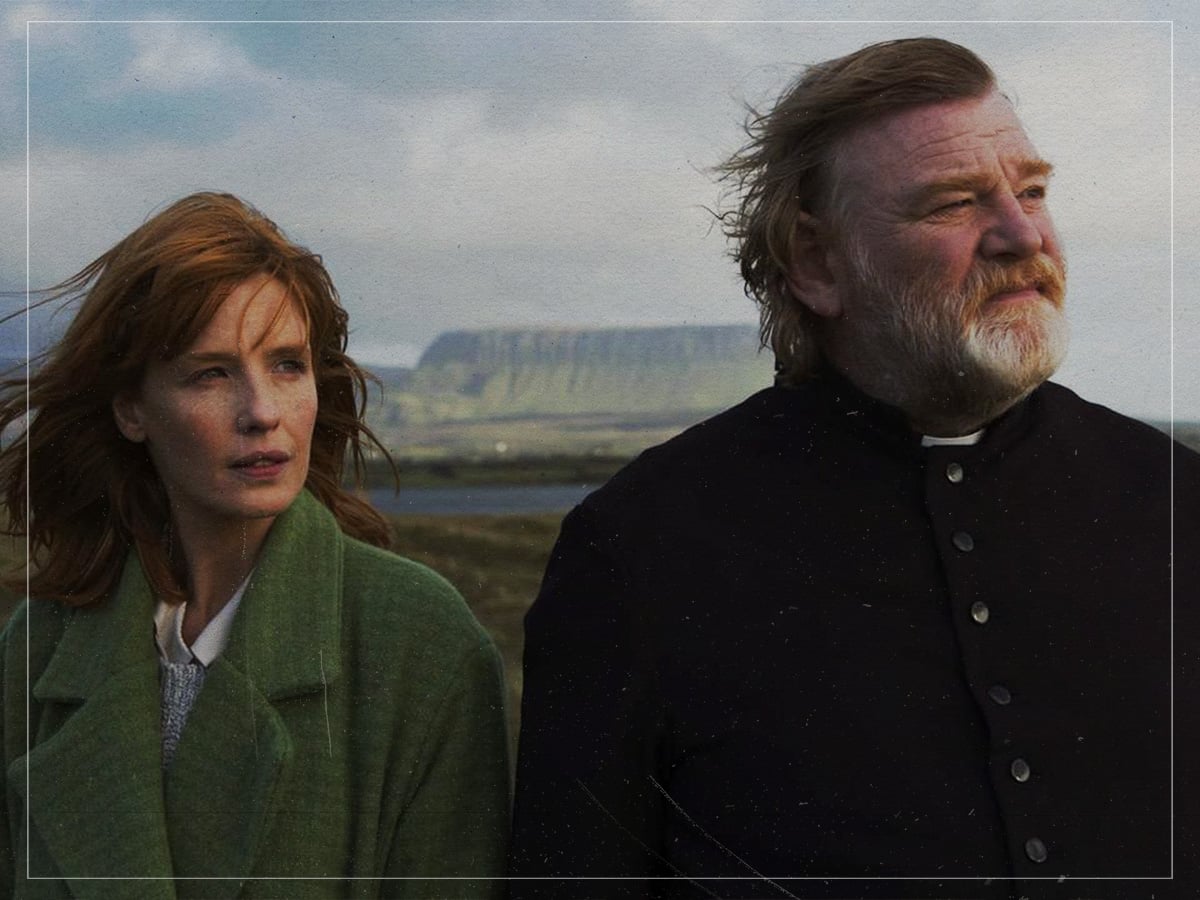
John Michael McDonagh re-teams with Brendan Gleeson
After their irreverent 2011 hit The Guard, McDonagh and Gleeson reteamed to make a much more emotionally searching film with Calvary.
Taking on the impossibly heavy topic of Catholicism and all its baggage, it walks a fine line between hopelessness and forgiveness, weaving together black humour, revenge, and unironic soulfulness.
A movie of startling grace that never falls into mawkishness or melodrama, this haunting tale of trauma and faith, grounded by a career-best performance from Gleeson, is one of those viewing experiences that clings to you long after it’s over. Part comedy and part mystery, its tone defies logic to hit at a deeper emotional truth.
April, 2014
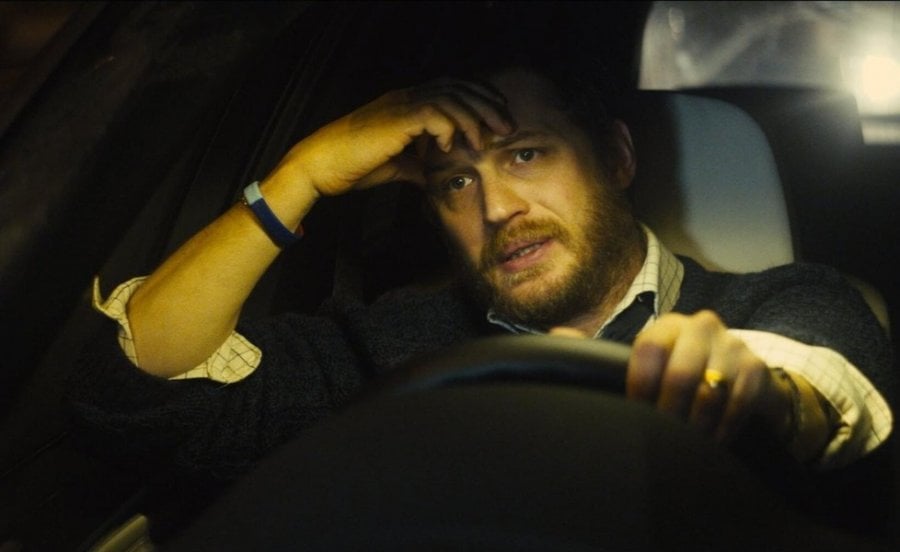
Tom Hardy single-handedly carries the year’s best thriller
Locke landed in 152nd position in the UK box office rankings for 2014, but it was easily one of the best films of the year.
Unfolding almost entirely within the confines of a car, it follows Tom Hardy’s character as he negotiates multiple personal crises over the phone during a drive from London to Birmingham.
Most movies that limit themselves to one actor and a cramped location come off as gimmicks, but within minutes of the first phone call, Locke is riveting, and its self-imposed limitations melt away. As a man clinging to the life he loves, Hardy is a revelation of fleeting emotions and quiet torment.
It’s a testament to Steven Knight’s script and direction that this convergence of personal conflict is more pulse-pounding from beginning to end than any Mission: Impossible movie.
May, 2014
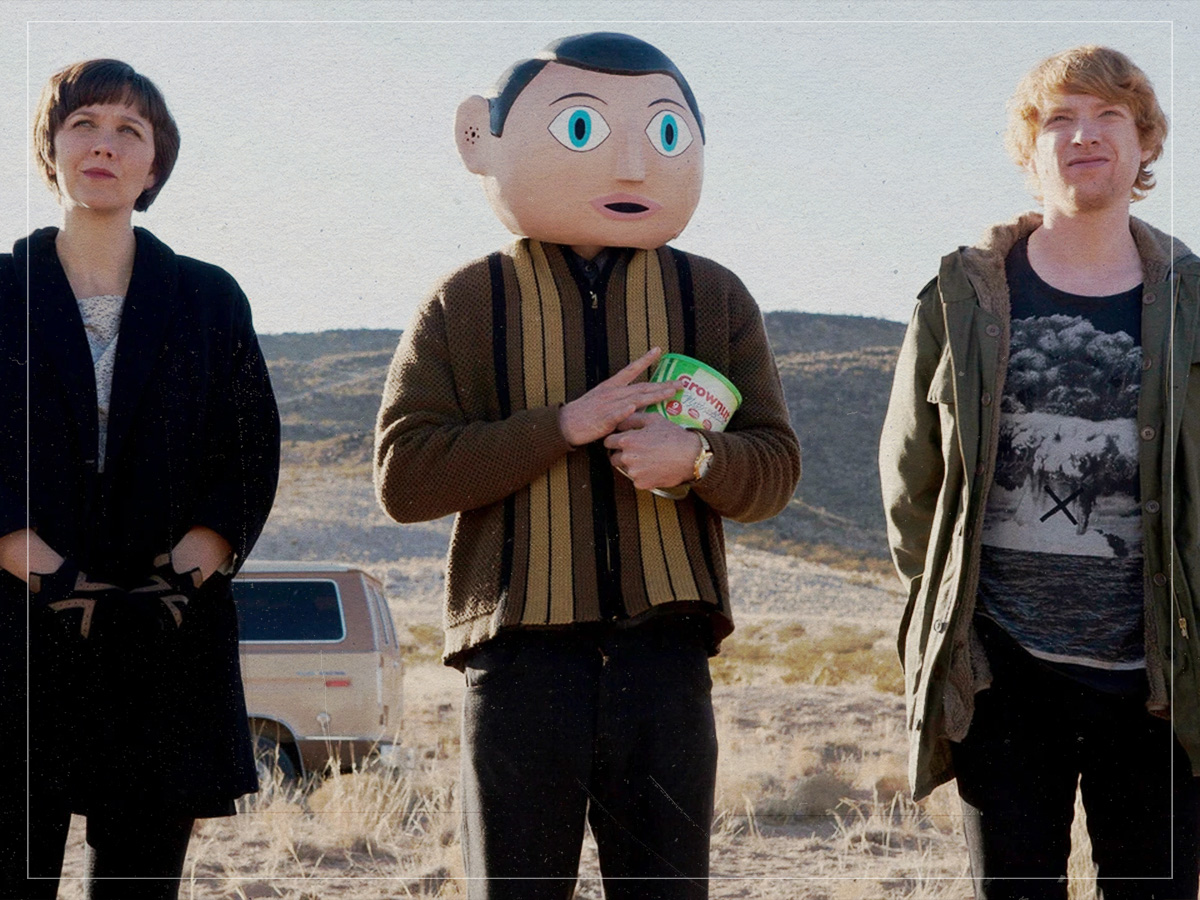
Michael Fassbender wears a papier-mâché head
Lenny Abrahamson’s unofficial portrayal of singer Frank Sidebottom (aka Chris Sievey) – Frank – is not your average music biopic. It’s not your average film, either.
Michael Fassbender plays the papier-mâché-headed frontman as his band works on an album with an unpronounceable name. It’s a profoundly difficult film to describe, both absurd and moving, laugh-out-loud funny and a little bit heartbreaking.
Drawn from a script by Jon Ronson, who was a member of Sidebottom’s band but added elements of Captain Beefheart and Daniel Johnson to the story, it’s strange and off-beat in the best sense, and it gets even better with repeat viewings.
June, 2014
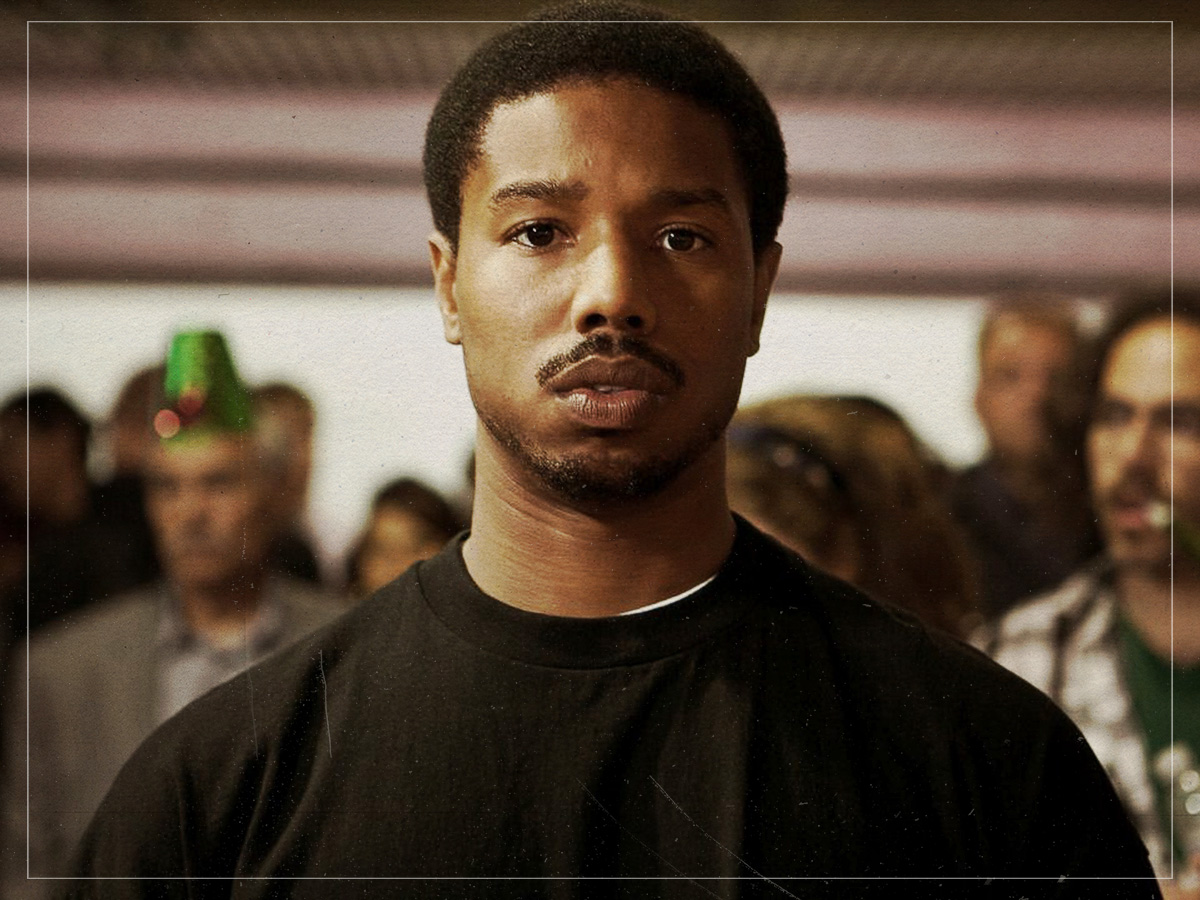
Ryan Coogler arrives with a stunning feature debut
It’s hard to imagine a world in which Ryan Coogler isn’t a box office-smashing auteur, but he announced his arrival in Hollywood with a clarity of vision and quiet mastery that was undeniable.
Based on the 2009 murder of Oscar Grant by the San Francisco police, Fruitvale Station chronicles the last day of his life in careful, muted detail.
For fans of Coogler’s more recent work, Fruitvale Station, which was his first collaboration with Michael B Jordan, is much more understated, but it is arguably his most powerful work to date. Depicting the everyday nature of one man’s life over the course of a single day, the director amplifies the randomness and senselessness of the tragedy that made him a headline.
July, 2014
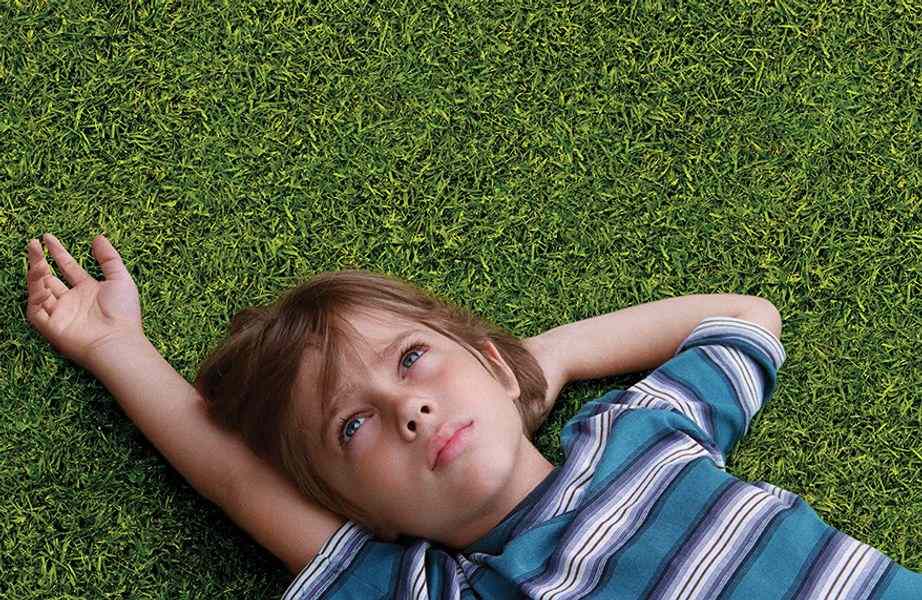
Richard Linklater plays the long game
Filmed off and on over 12 years, Richard Linklater’s Boyhood could have fallen apart at so many points. Following a boy from age six to 18, it takes a deeply personal approach to growing up that is at times painfully intimate.
There is an organic quality to the film that can be attributed to the real-life evolution of the young actor portraying Mason and to Linklater’s fluid writing process. He wrote the script year by year, occasionally weaving in elements of the actor’s real life.
The enormity of the project, right down to the editing of all the footage, should not be underestimated, even though the final product looks as effortless and natural as Before Sunrise.
October, 2014
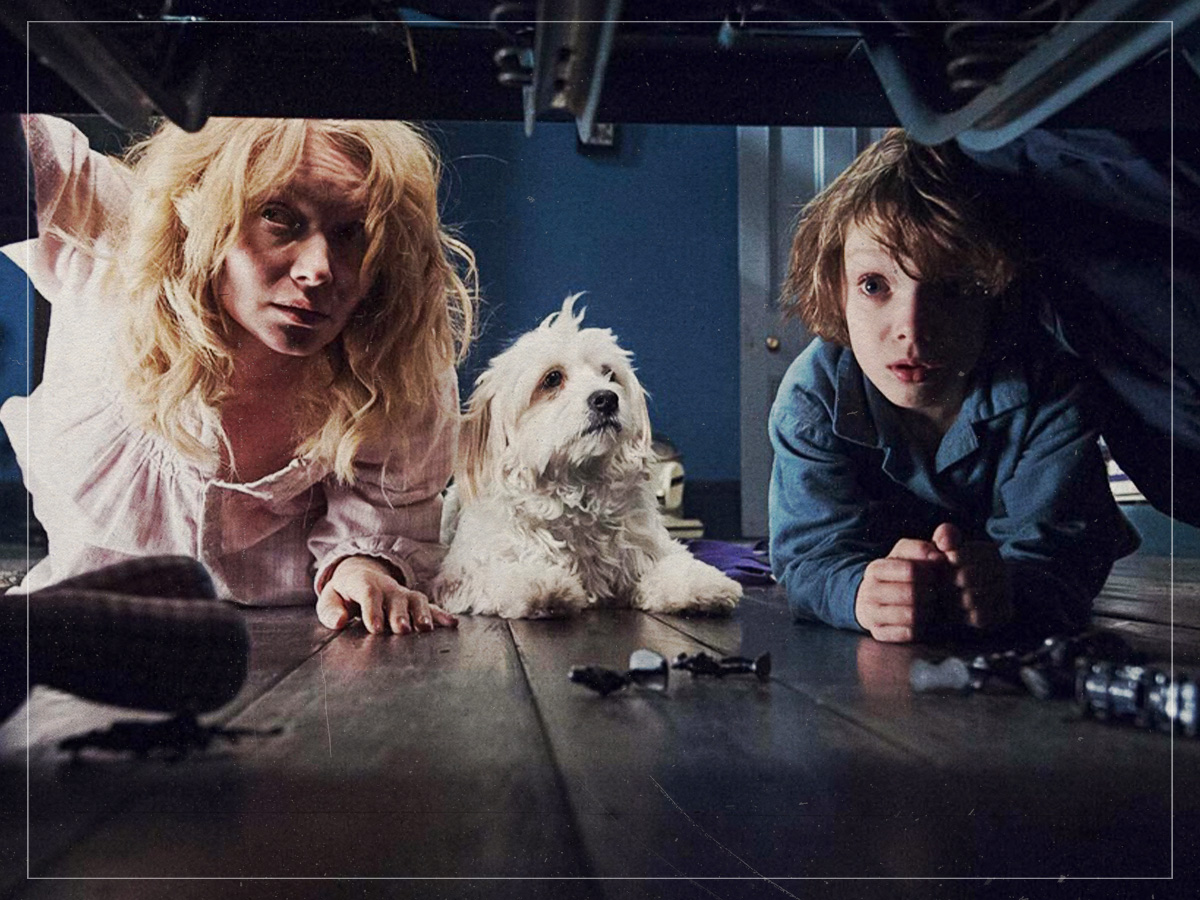
Jennifer Kent unleashes a harrowing horror debut
Creepy children are nothing new for horror, but The Babadook is so much more than that. Taking inspiration from German Expressionism in the Silent Era and David Lynch, among others, this is a haunting, surrealist tale about grief that is also bone-chillingly terrifying.
The best horror movies take audiences on a tour of their greatest fears, which often include grief and real-life trauma as much as the supernatural. More than a decade on, The Babadook continues to stand out as one of the most comprehensively powerful horror movies of the 21st century that led the way for newer releases like Get Out and Hereditary.
October, 2014
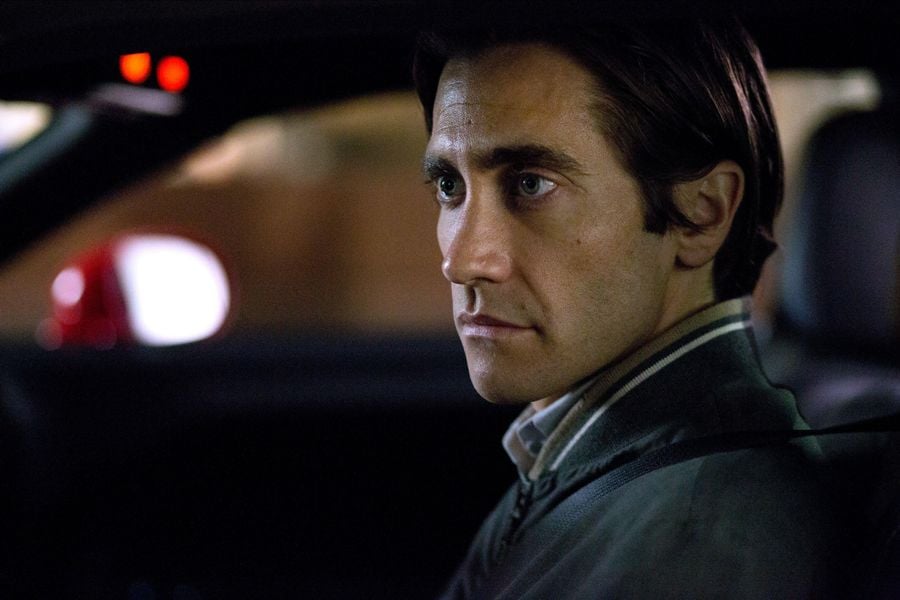
Jake Gyllenhaal offers a manifesto on contemporary ghoulishness
Dan Gilroy’s tale of a sociopathic cameraman who sells footage of car crashes and crime scenes to TV news stations was ahead of its time. Even now, it feels subversive. It’s at once a commentary on consumerism, the recession’s toll on the millennial generation, and our appetite for watching the real-life tragedies of others.
Gruesome, stomach-turning, funny, and suspenseful, Nightcrawler does not romanticise the violence it portrays, nor does it offer heroes. Like Under the Skin, it forces viewers to confront themselves, which may be why it wasn’t a home run at the box office.
November, 2014
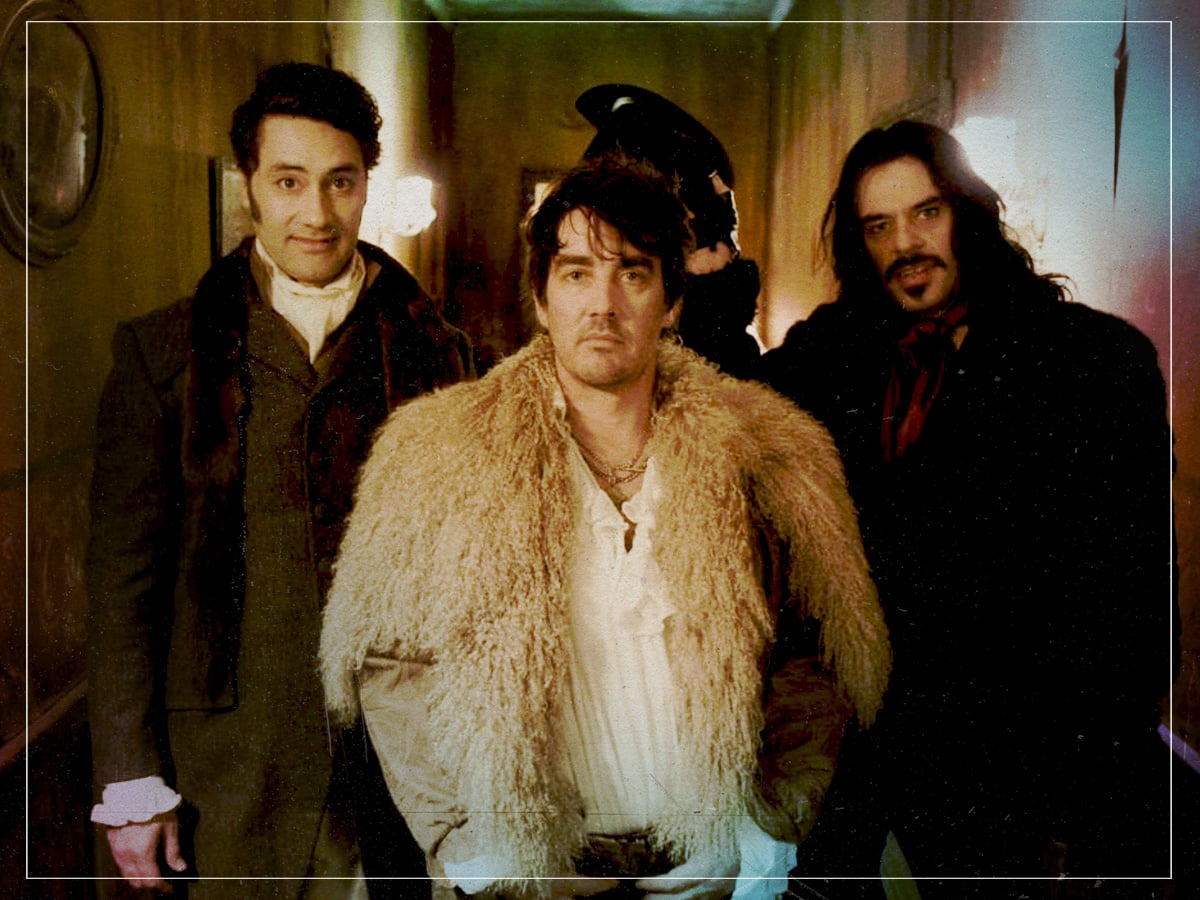
A future cult classic emerges from the shadows
What do you get when you put a bunch of centuries-old Antipodean vampires into a house together and turn it into a documentary? The infinitely quotable, genre-defining, impossible-to-replicate What We Do in the Shadows.
Written and directed by Taika Waititi and Jemaine Clement, the film settles into petty spats over housesharing and the internet, with plenty of jovial revelations about the day-to-day work of being a bloodsucking demon.
The TV spinoff has the advantage of Matt Berry, but there is no topping the original mockumentary. It’s a cult classic that has aged even better than its 800-year-old protagonist.
November, 2014
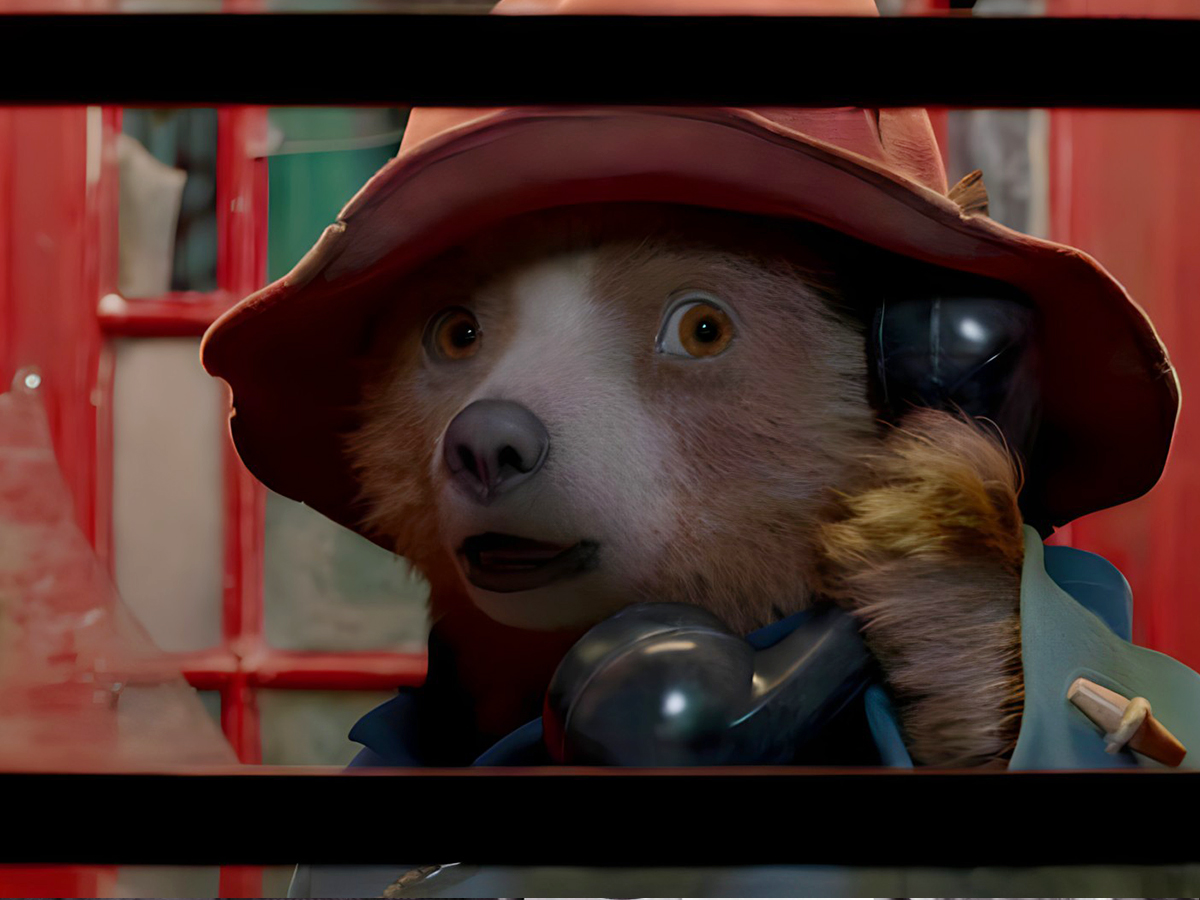
A beloved children’s book character defies the odds
There was no reason to hope that a film could do justice to the beloved children’s book character Paddington Bear, but it wasn’t just low expectations that made this movie a runaway success. Even if it had been an original story, it would have been a sure-thing.
Taking its cues from the physical comedy of Silent Era comedians like Charlie Chaplin and Buster Keaton, it overflows with timeless mischief that bypasses language altogether. Add a who’s-who of British national treasures to the supporting cast and you get a film that is a medical-grade dose of comfort.
I have no shame in saying that I watch this movie regularly as an adult with no children, and it never disappoints. Since its release more than a decade ago, it has only been outdone by its sequel, Paddington 2.
