


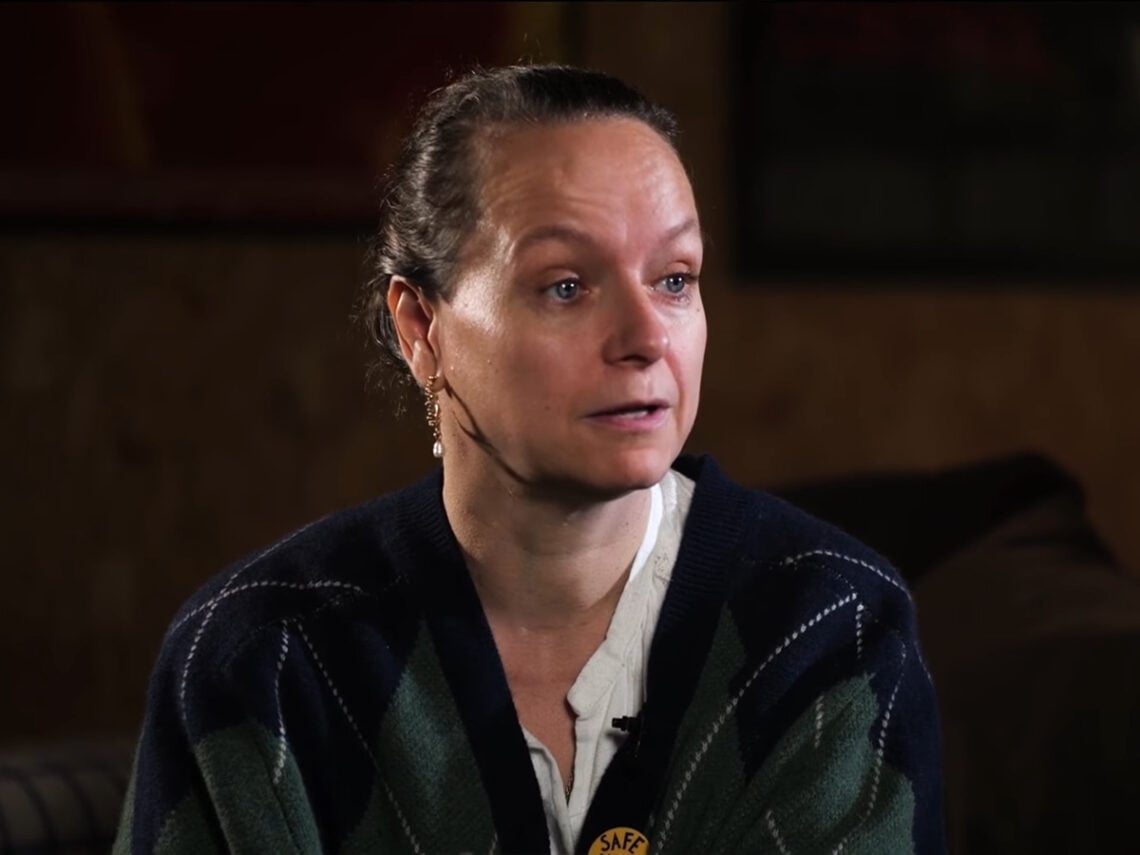
“It’s not about the money”: the 2012 movie Samantha Morton said “makes ‘Minority Report’ look like a Ken Loach film”

Although the 1980s saw a generation of male British actors, referred to as ‘The Brit Pack’, invading Hollywood and having a significant influence, the ‘90s offered opportunities for many female stars to gain the same attention.
Samantha Morton had only made her feature film debut in 1996, but she became an industry darling by 1999 when she earned an Academy Award nomination for ‘Best Actress’ for her breakthrough performance in the Woody Allen drama Sweet and Lowdown, alongside Sean Penn.
Morton continued to be a darling among the independent film circuit and gained rave reviews for her performance in Morvern Callar, the debut feature of filmmaker Lynne Ramsay. While a majority of Morton’s work came in smaller, low-budget art films, she did make an exception when she appeared in Steven Spielberg’s wildly ambitious science fiction thriller Minority Report. Her critical role as Agatha, a senior “precog” used for her predictive abilities, helped flesh out the stark dystopian world that made Minority Report more than just another blockbuster.
Although Morton continued to deliver strong work in smaller projects, it was a decade later that she was offered another chance to be in one of the biggest productions ever made. Disney had been trying for years to make John Carter, a film based on the classic science fiction novels, which had been highly influential on everything from Dune and Star Wars to Flash Gordon and Buck Rogers.
Despite the fact that John Carter isn’t the type of film Morton would typically be associated with, she relished the opportunity.
“It makes Minority Report look like a Ken Loach film,” Morton said. “I’ve been offered huge blockbusters before that would have sorted my pension out, but I didn’t do them because I couldn’t understand them. I turned down X-Men. It’s not about the money with me.”
The appeal for Morton was that John Carter was directed by Andrew Stanton, a veteran of Pixar, who was making his live-action feature film debut. Stanton had previously directed WALL-E and Finding Nemo, the latter of which Morton referred to as “a wicked film”.
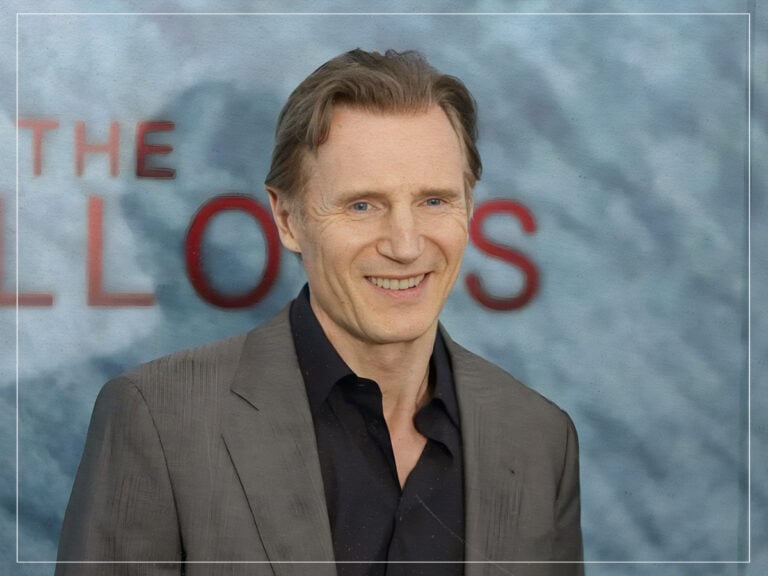
Despite the heavy degree of anticipation, John Carter earned mixed reviews and became the single biggest box office flop of all-time when released in March of 2012. While some blamed Taylor Kitch’s performance as the titular hero and others suggested that Stanton wasn’t well-suited for live-action, the biggest issue was that the John Carter iconography didn’t hold as much value to younger viewers as Disney had anticipated.
Although it’s unclear if John Carter is technically still the biggest money-loser of all-time, as other Disney films, The Lone Ranger and The Marvels, were quite disastrous, it did manage to change the careers of all of its major collaborators. Stanton was forced to return to Pixar to direct Finding Dory, and Kitsch essentially ended his bid to be a movie star, given that Battleship was released the same year.
The fact that Morton worked so consistently ensured that John Carter didn’t have a significantly negative impact on her career, especially since she and Willem Dafoe had been singled out by critics as being among the film’s bright spots. It also didn’t totally end her interest in making high-octane blockbusters, as Morton just gave one of the performances of her career as Circe in Christopher Nolan’s The Odyssey.
