


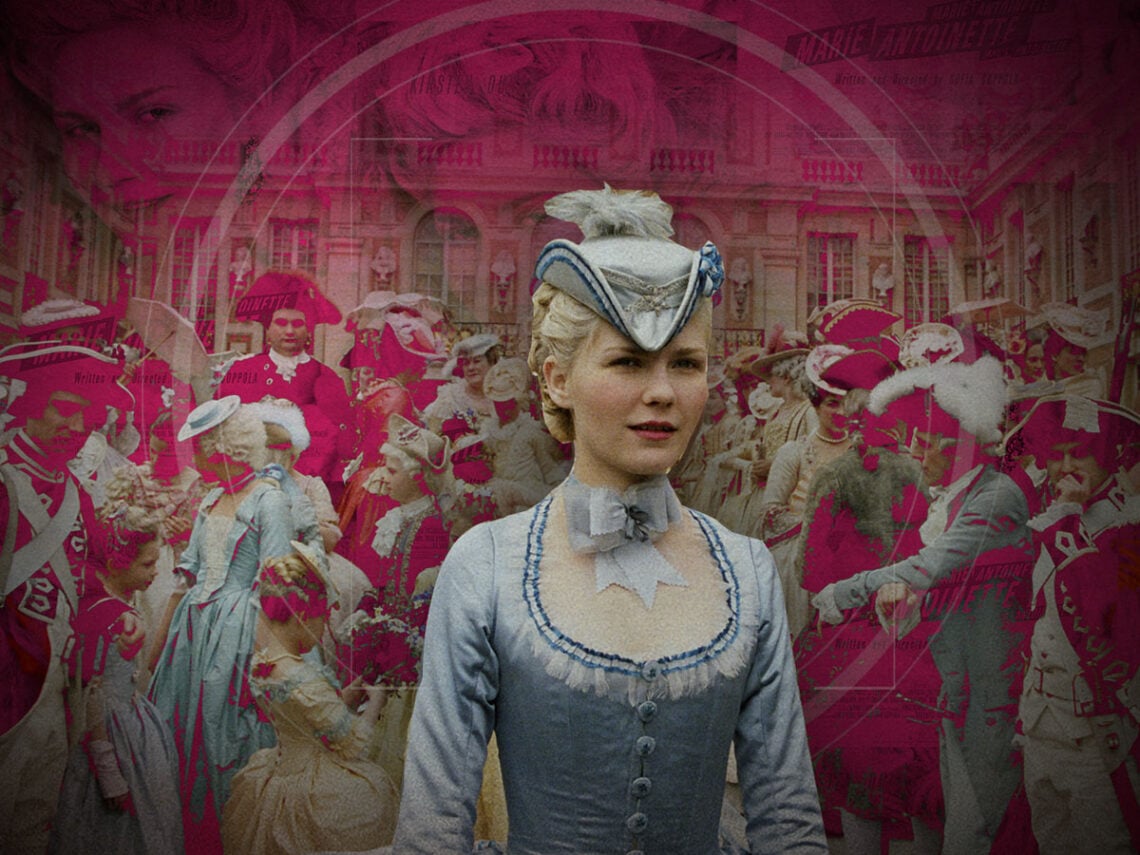
20 years ago, ‘Marie Antoinette’ was booed at Cannes

In retrospect, it should have been predictable. Sofia Coppola’s Marie Antoinette is a sugary pink cocktail of teenage girlhood, not a sober examination of one of the French Revolution’s most hated casualties. When the film premiered at Cannes in 2006, booing erupted in the cinema, and headlines abounded about Coppola and its star, Kristen Dunst, “defending” and justifying its existence.
Booing at Cannes is standard practice, just as minutes-long standing ovations for bad movies are standard practice. Kevin Costner’s Horizon: An American Saga was greeted with a rapturous nine minutes of cheering before going on to flop so hard at the box office and with critics that its planned sequels were scrapped. Marie Antoinette was in good company, too.
Martin Scorsese’s Taxi Driver, David Lynch’s Wild at Heart, and Quentin Tarantino’s Pulp Fiction met a similar reception when they were released, suggesting that the mass hysteria that seems to take hold of sleep-deprived cinema-goers at the festival is not to be trusted. Unlike those films, however, the broader critical reception to Marie Antoinette after its release was, with a few exceptions, equally vicious. 20 years later, that feels very telling.
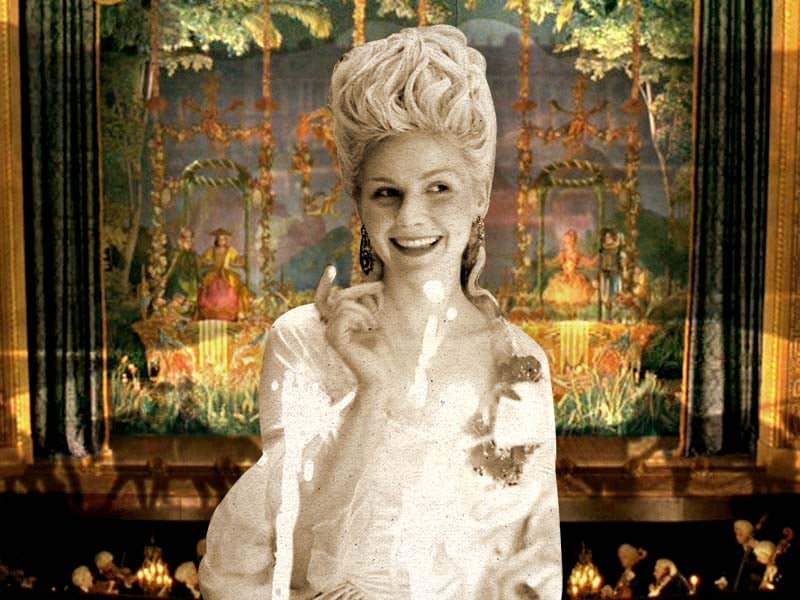
It was certainly bold of Coppola to debut her largely sympathetic, ahistorical portrayal of the doomed French queen in France. Based on Antonia Fraser’s “revisionist” biography, it follows the 14-year-old Austrian archduchess as she travels to Versailles to marry the future Louis XVI, struggles to consummate the marriage and produce heirs, and falls head-over-Manolo-Blahnik-heels for gambling, wigs, and partying. Set to a soundtrack that includes shoegaze and punk music, it is gleefully anachronistic, and the lavish New Romantic costume design borrows from multiple centuries.
That’s what people often point to when discussing Marie Antoinette: the aesthetics. But that is revealingly reductive. As a filmmaker, Coppola has always distinguished herself by taking teenage girls seriously, and every critic who dismissed the film as frivolous, empty, or, in the case of the late Rex Reed, “the hysterical work of a grown woman on hallucinogens playing with 18th-century Barbie dolls,” was simply pointing the finger at their own misogyny.
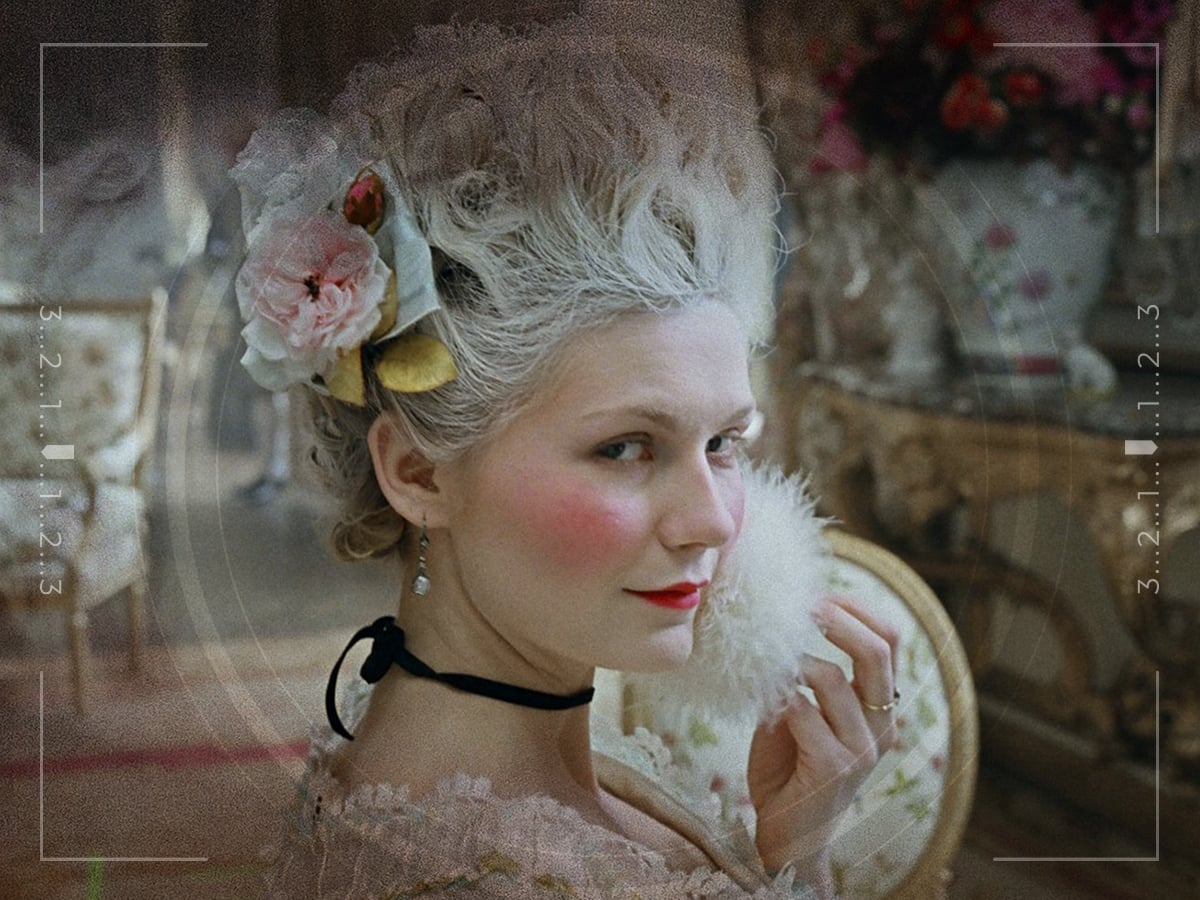
There is nothing hollow about the film, for all its aesthetic bombast. Much of the visual opulence actually comes from Versailles itself, to which Coppola was given rare access, and despite the infamy of the anachronistic soundtrack, much of the film’s soundscape is made up of birdsong and strings.
Coppola shot the film in a refreshingly naturalistic style, avoiding artificial lighting and modern makeup and ensuring that Dunst looks as if she could be a product of the 18th-century, fashion aside. Keeping the French Revolution and the queen’s bloody end off camera was a provocative decision, of course, but it also allows the story to rest within the title character’s journey from 14-year-old bride to a 30-something mother. If it had ended with the guillotine, all the previous nuance would be drowned out.
20 years later, when we are reckoning with our own class of wilfully blinkered aristocrats who exploit workers and natural resources to attain unprecedented riches, there is a certain level of discomfort when watching Marie Antoinette, but that doesn’t make it a worse film. If anything, that added complication makes it a deeper experience.
What does it mean to be so blinded and protected by wealth that you simply do not see inequality? Many critics were appalled at Coppola’s sympathetic portrayal of her subject, but there is a difference between humanising a teenage girl and celebrating her self-absorption. This is not a film about the men who continued to raise taxes on the poor to fund the rich, but if it was, they would certainly not come across as heroes.
You’d hope that, if Marie Antoinette premiered at Cannes in 2026 rather than 2006, it might receive a more enlightened response. But it’s hard to make that assumption given that Coppola is still one of the few filmmakers who focus on teenage girls without making them a punchline or a tragedy. There are certainly more female directors with films in competition now than there were 20 years ago, but Marie Antoinette still feels like a renegade piece of filmmaking.
Two decades on, it has also become an undisputed classic. Its visual appeal certainly plays a hand in its legacy, but there are plenty of other stylish movies that do not connect so deeply with multiple generations of viewers.
By borrowing from centuries of fashion, multiple eras of music, and taking cues from Stanley Kubrick and Terrence Malick, Coppola created a film that is artistically literate and emotionally timeless. In contrast, all those negative reviews from 60-year-old male critics have aged exceptionally poorly.
