


Stanley Kubrick’s most “pretentious, inept, and boring film” and how TV could have ruined him

Most film lovers can agree that Stanley Kubrick made some pretty remarkable films in his career. That’s not to say that his films weren’t often the subject of controversy, of course, whether he was commenting on the evil lurking among the elites in Eyes Wide Shut or depicting graphic sex and violence in A Clockwork Orange.
Kubrick’s movies certainly weren’t for everyone, and there are enough contrarian film fans out there who see the American filmmaker as nothing more than a pretentious excuse for an artist – a tyrannical dictator who treated his actors like shit and pushed his perfectionism to the limits, all to make movies that seemed to possess more style than substance.
Personally, I think Kubrick was a true master in every sense of the word (although he certainly could’ve relaxed a bit, especially when he was working with Shelley Duvall), and to call him pretentious is to diminish his visionary talents for no good reason.
But if you are a Kubrick hater, you might find that you have more in common with him than you might think. You see, the director actually considered one of his movies to be “pretentious” too, and he admits that it was not his finest work. Rather, it was just a chance to get himself on the map, so to speak, and it worked – even if he wasn’t proud of the outcome.
When asked by Terry Southern to discuss his first feature, Fear and Desire, Kubrick called it a “pretentious, inept and boring film” that was a “youthful mistake costing about 50,000 dollars”. The upside, however, was that it was “distributed by Joseph Burstyn in the art houses and caused a little ripple of publicity and attention.”
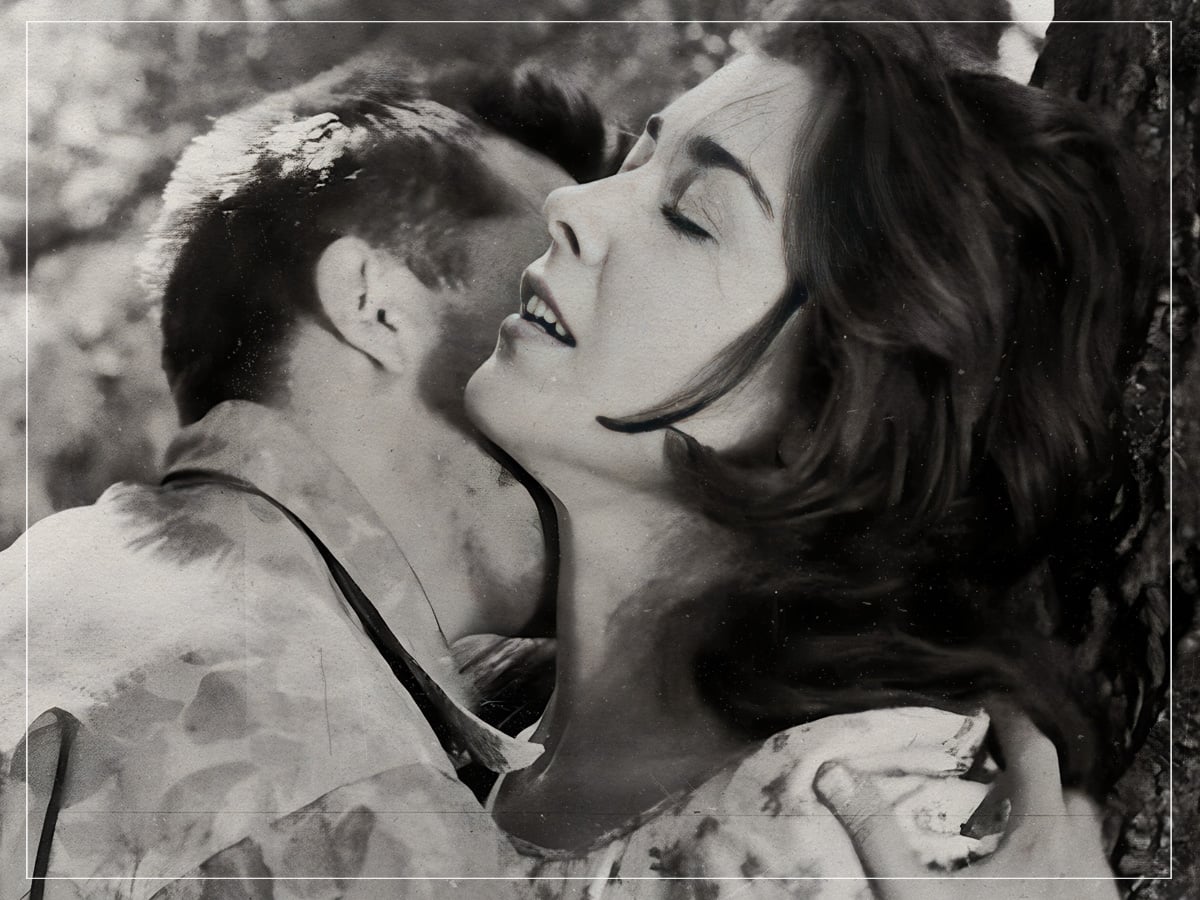
From there, Kubrick was able to raise people’s heads, and even though Fear and Desire received mixed reviews from the critics that saw it – and he didn’t like it himself – he was just happy to be able to keep working towards bigger budgets and bigger audiences.
“I mean, there were people around who found some good things in it, and on the strength of that, I was able to raise private financing to make a second feature-length film, Killer’s Kiss,” he added. “And that was a silly story too, but my concern was still in getting experience and simply functioning in the medium, so the content of a story seemed secondary to me. I just took the line of least resistance, whatever story came to hand.”

The filmmaker found more success with Killer’s Kiss, which won him the ‘Best Director’ prize at the Locarno International Film Festival. United Artists bought the film, and Kubrick actually felt like he’d broken out of the shackles of working on small projects and having to make documentaries, as he’d done with the likes of Day of the Fight and The Seafarers.
Luckily, he kept his sights on feature films, and in reflection, he’s glad he kept his eye on the prize. “I wasn’t offered any jobs during this period – I mean, perhaps if I had been offered some half-assed TV job or something, I wouldn’t have had the sense to turn it down and would have been thrown off the track of what I really wanted to do, but it didn’t happen that way.”
So, he went on to make hits like Paths of Glory, Dr Strangelove, and of course, 1968’s 2001: A Space Odyssey, changing cinema forever.
