


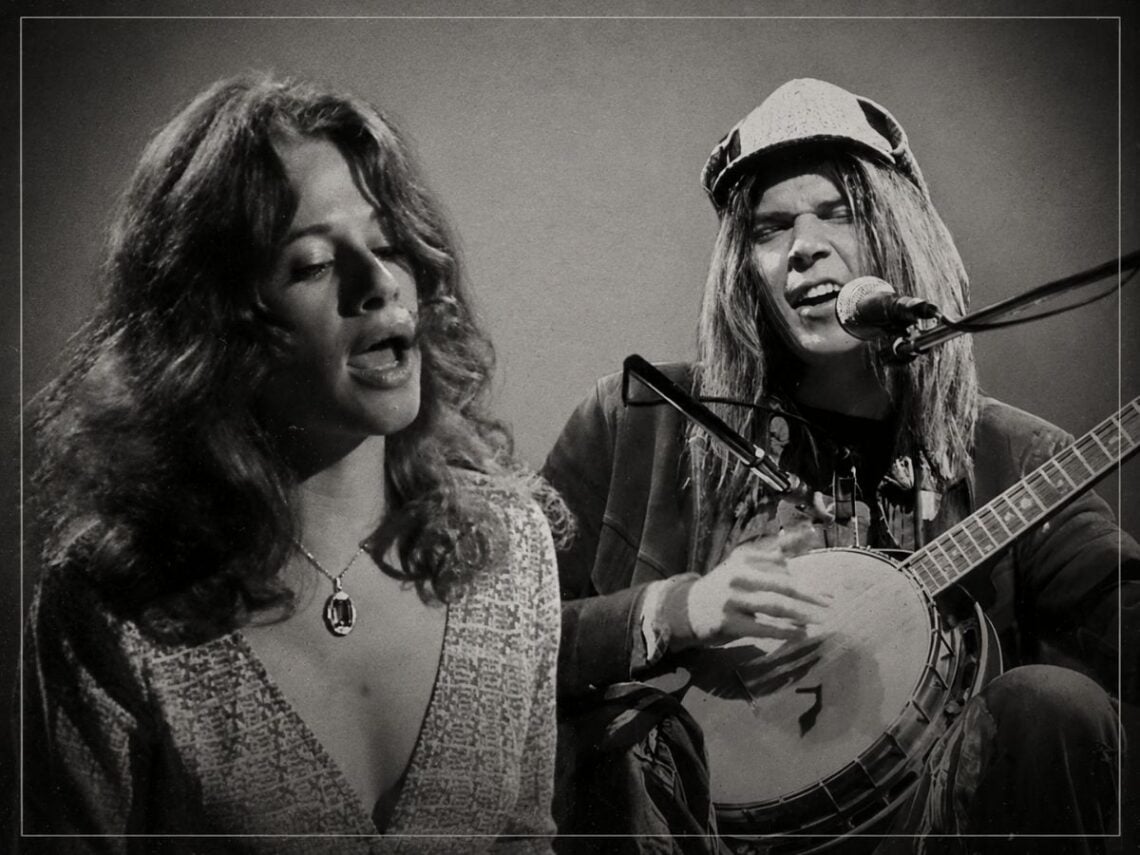
The 1977 Neil Young album that made Carole King laugh in his face: “Not a real album”

When Carole King released her album Tapestry, she proved herself to be one of the greatest musicians in the singer-songwriter category. A decade of poeticism and heart had gone into music pioneered by the likes of Bob Dylan and Joni Mitchell, and Carole King was harnessing what they had exposed the world to and taking it to new heights.
The way that she could inject soul into songs like ‘Will You Love Me Tomorrow?’ and ‘(You Make Me Feel Like) A Natural Woman’ was truly inspiring. They showed how good she was at writing songs and then putting those songs into a record so that it sounded like a cohesive piece of music. She could craft albums unlike any other musician, so she saw the LP as a very specific art form.
While she was a fan of Neil Young because they shared the same values in that sense, there was one album in particular that King couldn’t get on board with. Young was working on various iterations of the album Chrome Dreams for years, experimenting with recording techniques and releasing bootleg versions of what was a very experimental album to the public.
Many listeners were excited by the new directions that Young was taking his music in, but King couldn’t get on board and was relatively brutal in her assessment of the album. “I remember when I was living on the beach in LA in Malibu, and Carole King lived up the beach. I said, ‘Carole, why don’t you come over and let me play you my new album’.”
Young continued, going into detail about King’s review, “About halfway through she went, ‘Neil, this isn’t an album. It’s not a real album. I mean, there’s nobody playing, and half of the songs you’re just doing by yourself’,” he said, “She was just laughing at me. Because she crafts albums.”
“I was out there, you know, using all these different techniques.”
Neil Young
King’s reaction also highlights the widening divide that emerged between traditional album construction and the increasingly fragmented methods artists began embracing during the 1970s. For musicians like King, an album was carefully sequenced and meticulously arranged, designed to feel emotionally coherent from beginning to end. Young, meanwhile, was becoming more interested in spontaneity and atmosphere, prioritising raw feeling over polish even if it meant leaving imperfections intact.
That restless creative instinct is part of what has always separated Young from many of his contemporaries. Across his career, he repeatedly abandoned commercially successful sounds in favour of stranger and more unpredictable ideas, often confusing audiences in the process before eventually being vindicated years later. Chrome Dreams fits naturally into that pattern, capturing an artist more interested in chasing inspiration wherever it led than satisfying conventional expectations of what an album should sound like.
Chrome Dreams wasn’t officially released until 2023, and when it did come out, it was received with acclaim from critics and fans worldwide. Chances are, when King was shown the album, the recording techniques and overall tone captured by Young weren’t very mainstream at all. However, when it was released, if anything, those recording techniques were outdated. Subsequently, the album played like a retrospective look at a musician predicting the future.
“I was out there, you know, using all these different techniques, and I recorded ‘Will To Love’ on a cassette player in front of my fireplace and then overdubbed a bunch of instruments on it in one night,” he recalled, “That’s the way I like to make records. I have the original tapes of all of those songs.”
The music on Chrome Dreams was far removed from what King made but was on track to form listening habits for years to come. While it’s understandable why she could not connect with the music, it also should be recognised how innovative and ahead of his time Young was with the development of the early recordings of the record.
