


The 1977 album David Bowie crowned as his most “dangerous”

David Bowie was used to spending most of his life living on the edge of the mainstream.
He didn’t want to ever be considered one of the most popular artists in the world, and every single time he worked on something new, you could feel that he genuinely believed that he was on the verge of something insane whenever he worked on a new creative endeavour. There was nothing standing in the way of him following his muse, but there were more than a few times when he seemed to be unable to control what he was doing some of the time.
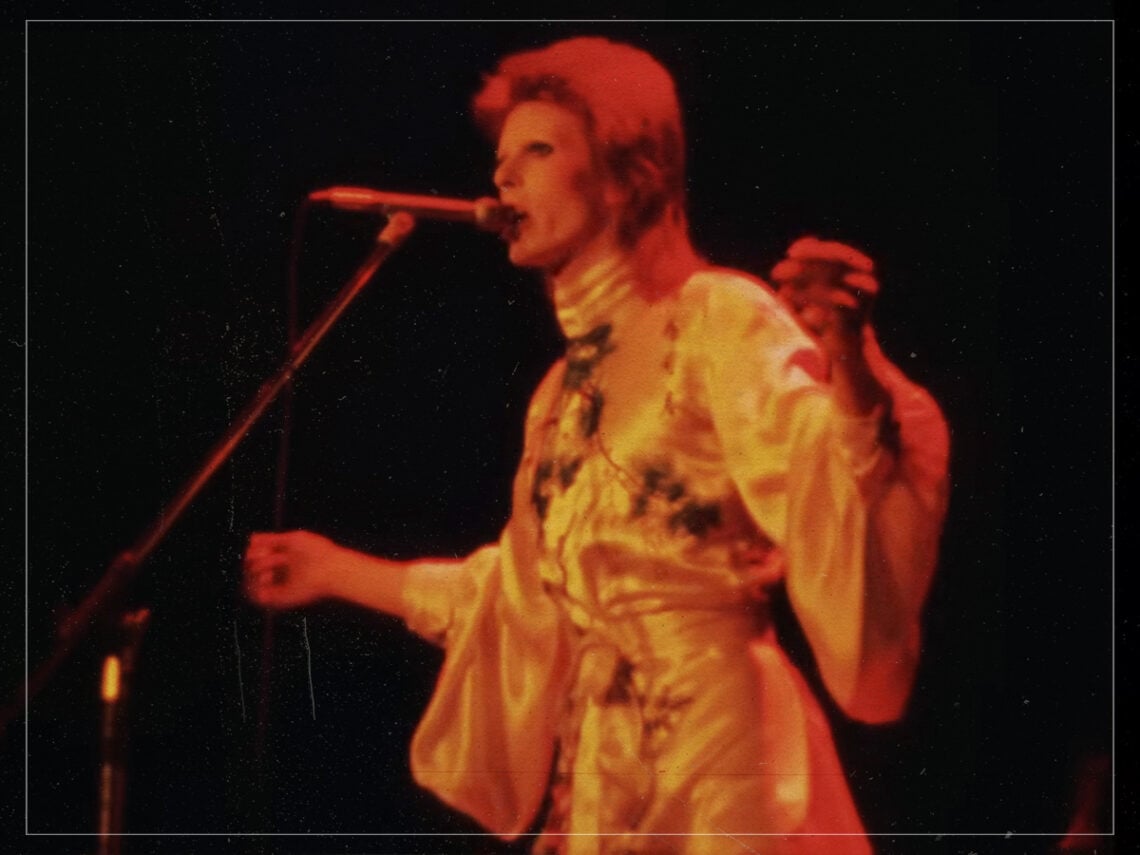
Then again, everything that he made seemed to be almost calculated when he began working on Ziggy Stardust. The character was one of the best alter egos that rock and roll had ever seen, and when he had Mick Ronson by his side, there was no one else in any concert hall that wasn’t focusing on Bowie trying to see what the hell ‘The Starman’ was on about when he began his descent down to Earth.
If you look at the way that he processed a lot of his stardom, though, he wasn’t looking forward to spending his entire life playing that character all the time. He wanted the chance to grow a little bit more with every record, and since his glamorous period would have involved him playing the same songs for the rest of his life, the best he could hope for was to pivot in the opposite direction.
So when people got Station to Station, they were greeted with a far different person. Gone were the outrageous outfits and the free-spirited demeanour, and in their place was something cold and clinical… ‘The Thin White Duke’ had arrived, and from the moment that Bowie took on that persona, he began to realise that he may have made a mistake – this character was truly demented, and when he moved to Berlin to get away from it all, he had a hard time unbinding.
Now that I’m describing it, it’s almost like Bowie was a method actor who had trouble letting go of a character. He was the Daniel Day-Lewis of his time in the world of music instead of movies, and while anyone else would have been able to switch genres and not think anything of it, Low was a document of Bowie trying to digest what he was doing. He had been through the wringer, and this post-rock odyssey was him trying to figure out what he was going to do next.
And even though he was in good hands with people like Brian Eno, Bowie still considered this one of his most stressful periods, saying, “It was a dangerous period for me… I was at the end of my tether physically and emotionally, and had serious doubts about my sanity, but this was in France – overall, I get a sense of real optimism through the veils of despair from Low. I can hear myself really struggling to get well.”

A lot of that may have come from the withdrawals that he was feeling at the time, but in dropping a lot of his bad habits, Bowie managed to be even more ahead of his time. With a clear head, he had the ability to pull at his sound at every single turn, whether that was using the primitive version of an E-bow on “Heroes” or eventually doing away with Berlin altogether to make the best art-rock ever created on Scary Monsters and Super Creeps.
Bowie liked to live in a world that was wide open whenever he got onstage, and he wasn’t going to let anyone get in the way of him making the best tunes that he could. ‘The Duke’ had been fairly limited whenever he played him, and Low was the beginning of him going through his own musical recovery.
