


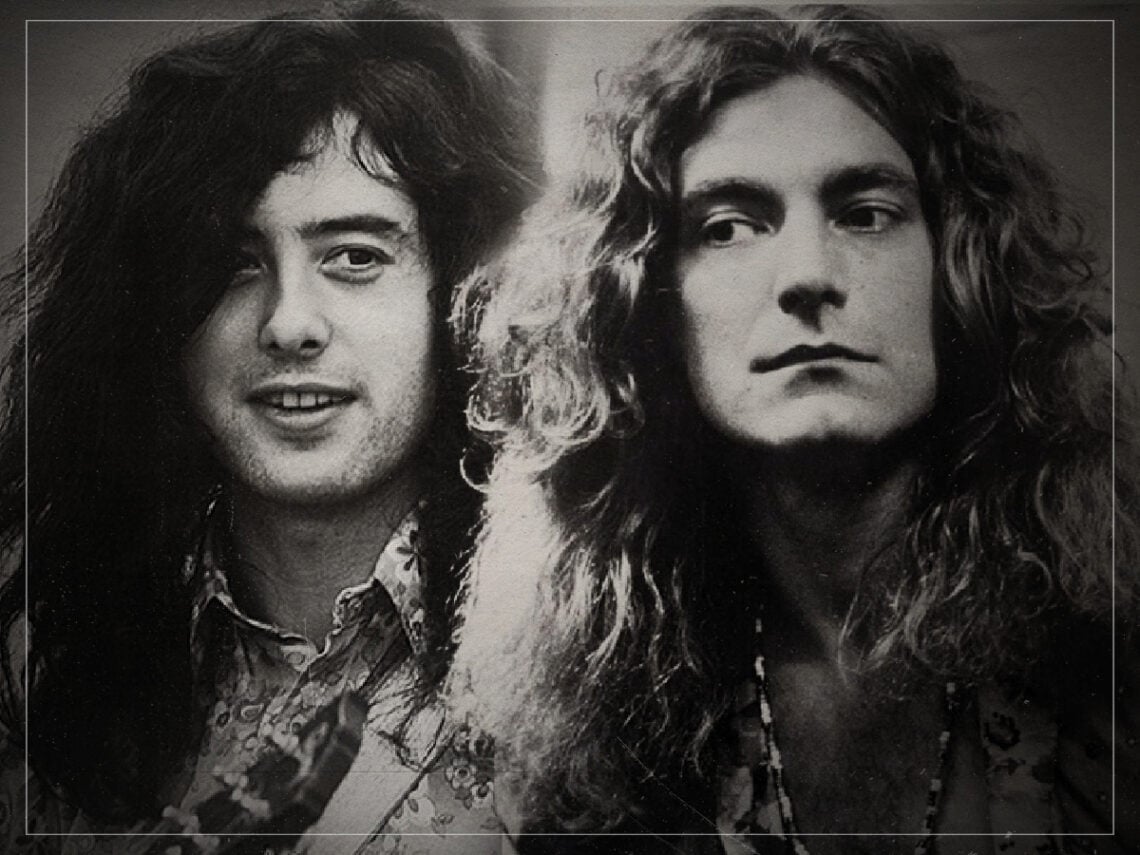
The 1976 Led Zeppelin song Robert Plant used to call out Jimmy Page: “I was burned in the heat of the moment”

Arguably, being in a rock and roll band is one of the most testing forms of love and friendship there is.
This applies to people who are both in and out of the band. It applies to those in one because the elongated periods spent together and creative disagreements often lead to tremendous friction. It applies to those who aren’t because absences spent on the road or in the studio can test any relationship. In this instance, Robert Plant felt the strain on both fronts.
Led Zeppelin were no stranger to achieving great heights throughout their career. Their playing style and individual talent, mixed with complete cohesion, made it extremely easy for people to connect with the band. It meant they were a commercial success in record sales, and their live performance was even more sought after as they played to some of the biggest crowds in history.
The band released Physical Graffiti in 1975. It was a triumph in every way imaginable, as it featured some of their most experimental songs, was praised by fans and critics and garnered record sales. The band wanted to keep the same energy when heading in to record their subsequent album Presence, but that’s where tension started to arise.
Before starting the recording process, Robert Plant was in a serious car accident with his wife and kids while on holiday in Rhodes. His kids were injured, but not as much as Plant and his wife. Plant was in such a bad way that doctors weren’t sure he would walk again, and for the majority of the recording for Presence, he used a wheelchair.

It wasn’t the best time for Plant to be recording an album, as he was going through rehabilitation; plus, he was taken away from his family to do the recording, as the tax implications of making the album in England would be too high. As such, Led Zeppelin was shipped out to California to record Presence, something the vocalist was very frustrated about.
Those difficult circumstances inevitably shaped the tone of Presence. Stripped back compared to the sprawling experimentation of Physical Graffiti, the album is often regarded as one of Led Zeppelin’s most intense and personal records, with Plant’s lyrics reflecting vulnerability, resilience and mounting frustration in equal measure.
Page had always been one for raw emotion when it came to lyricism. He isn’t one for beating around the bush. As such, it didn’t take a genius to work out who he was referring to when it came to vocalising his disdain towards fellow bandmate Jimmy Page and their manager Peter Grant.
Even though the song, ‘Hots on for Nowhere’, might sound quite bouncy and fun, behind the lyrics is a hurt and angry Robert Plant, who misses his family. He sings, “I was burned in the heat of the moment / No, it coulda been the heat of the day / When I learned how my time has been wasted / Dear fellows I turned away.”
In this instance, the heat of the moment refers to the car crash, and the heat of the day refers to the hot weather in Rhodes. The time being wasted was, in Plant’s mind at the time, the amount of work he had put into Led Zeppelin and contributing towards making them the success they were. He goes even more on the nose in the chorus when he proclaims, “Now I’ve got friends who will give me their shoulder / When I should happen to fall / I’ve got friends who will give me fuck all.”
Although the lyrics were directed at specific circumstances, they also captured the growing disconnect Plant felt between his responsibilities as a rock star and his role as a husband and father. It was one of the rare moments where he allowed the pressures of life inside Led Zeppelin to spill so openly into the band’s music.
While being a rock star might look like the perfect life, it comes with an underlying plight that isn’t often discussed. A lot of the time, when you see musicians on stage or in a recording booth, the place they actually want to be is at home with those who love them most. Plant felt this way when recording Presence and so channelled anger in the only way he knew how, and ironically, it led to a song that only went on to make the band more popular.
In retrospect, Presence stands apart from the rest of Led Zeppelin’s catalogue because of that emotional weight. While it may lack the commercial reputation of Led Zeppelin IV or Physical Graffiti, it documents a band persevering through one of its darkest periods. For Plant, ‘Hots On for Nowhere’ wasn’t simply another rock song—it was a snapshot of an artist wrestling with the personal sacrifices that often accompanied life at the top.

Never Miss A Beat
The Far Out Led Zeppelin Newsletter
All the latest stories about Led Zeppelin from the independent voice of culture.
Straight to your inbox.