


The 1977 prog masterpiece Taylor Hawkins called his “drum bible”

Taylor Hawkins was a music fan, first and foremost. Although he made a living and a legend by holding down the drum throne in the Foo Fighters for more than two decades, Hawkins didn’t stop playing once the Foos tours ended.
If you were in or around California at any given time, chances are you could have seen Hawkins continuing his love of music with his cover band Chevy Metal or his side project, Taylor Hawkins & The Coattail Riders.
Around the release of the Coattail Riders’ self-titled debut album in 2006, Hawkins sat down with Modern Drummer to discuss the influences that filtered into the album’s creation. He was candid about the bands that he listened to during the album’s writing, even mentioning that they aren’t necessarily the coolest or most hip bands to be championing.
“I know some people will think the album sucks,” Hawkins explains in the interview. “But it’s the music I love. A lot of people do think it harkens back to the ’70s. The Eagles is comfort-food music. I like vocal harmonies. I love Deep Purple.”
For Hawkins, there was never any shame in wearing his influences on his sleeve. While many musicians spent their careers trying to appear fashionable or forward-thinking, he remained refreshingly enthusiastic about the records that first made him fall in love with music, regardless of whether they were considered cool by critics or his peers.
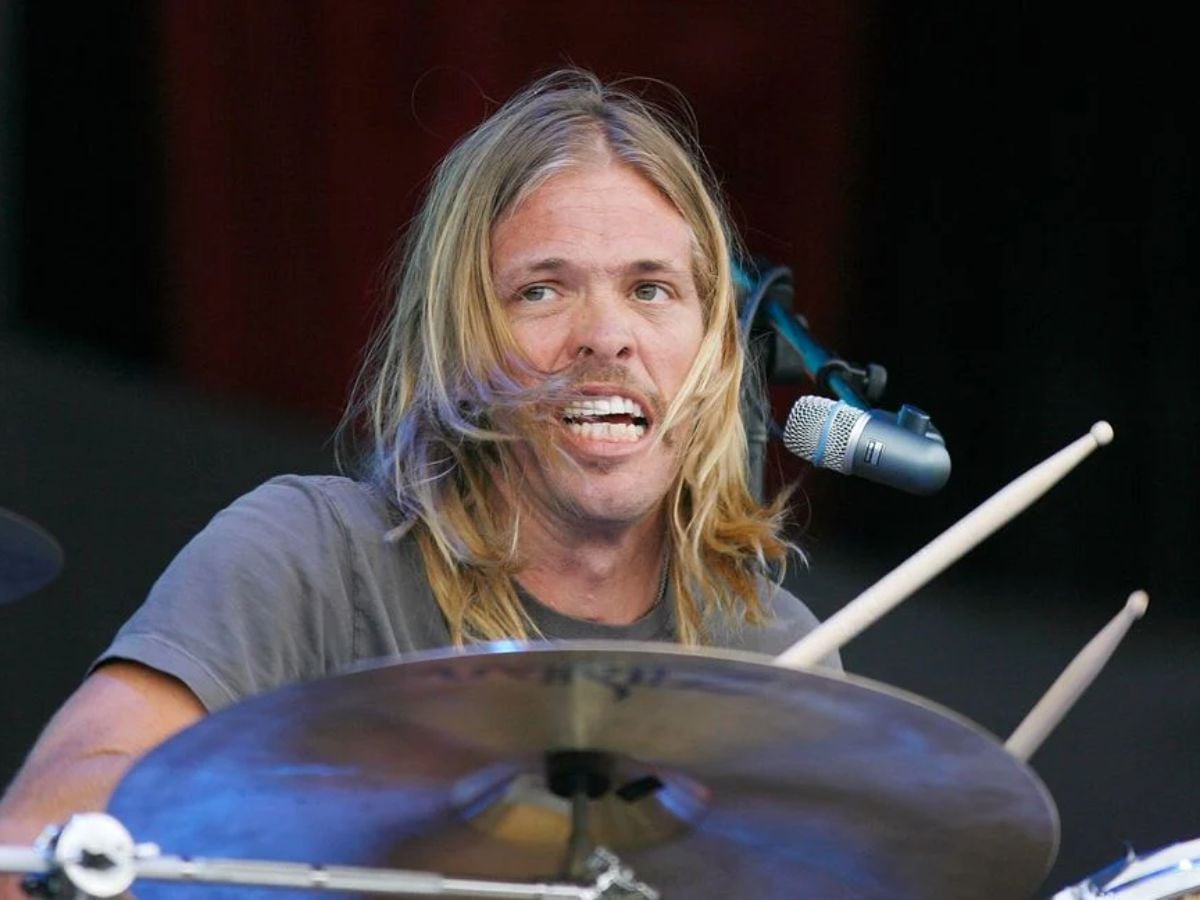
While explaining which bands were instrumental in inspiring his latest work, Hawkins even brought attention to a classic live album that helped shape his own drum sound. “I have to admit, I’m in a prog phase,” Hawkins added. “I love early Genesis, like Trick Of The Tail and Seconds Out, with Phil Collins, Chester Thompson, and Bill Bruford on drums. Actually, Seconds Out is one of my drum bibles. It’s one of my favorite-sounding drum records too.”
The live album represented everything Hawkins admired about great drumming. Beyond the technical proficiency of Collins, Chester Thompson and Bill Bruford, it captured a sense of energy and musicality that elevated the instrument beyond simple timekeeping. For Hawkins, those performances demonstrated how drums could become a central voice within a song.
In fact, for the album track ‘Louise’, Hawkins admitted that he basically lifted the pattern from Collins’ style, only this time from a different Genesis record. “I kind of ripped it off from Genesis’s ‘Wot Gorilla?’ from their Wind & Wuthering record,” Hawkins said. “I wrote the song on the guitar and didn’t think about the groove. Then I was listening to that Genesis record. I loved the way Phil Collins’ groove is so hyper there.”
Hawkins may be best remembered for his thunderous work with Foo Fighters, but his comments reveal a musician whose curiosity never faded. Whether he was revisiting classic Genesis records, championing overlooked influences or building songs around grooves he admired, he approached music with the same enthusiasm he had as a fan. That passion for discovery was every bit as important to his legacy as the drumming that made him famous.
Check out the drum battle on ‘Dance On A Volcano’ and see if you can spot where Hawkins took his inspiration from down below.
