


The 1975 song Genesis wrote as a tribute to a guitar hero: “I was a big fan”

Genesis built much of their reputation on ambitious storytelling. During the Peter Gabriel era, especially, the band became known for creating sprawling narratives filled with eccentric characters, surreal imagery and conceptual depth that pushed progressive rock into theatrical territory.
Albums like Selling England by the Pound and The Lamb Lies Down on Broadway demonstrated that Genesis were interested in far more than conventional songwriting, using music as a vehicle for entire worlds and carefully constructed stories.
That approach placed Genesis within a rich tradition of concept-driven music, one that had been shaped by artists who understood that albums could function as complete narrative experiences rather than simple collections of songs. While Gabriel and his bandmates forged a distinctive identity of their own, they were also drawing inspiration from earlier pioneers who had shown just how far rock music could stretch as a storytelling medium.
Escapism lies at the heart of music. Even when artists write about those whom they love, they do so in a way that creates a world where the problems and questions surrounding that love are solved and answered. However, some artists embrace escapism to a much more engaging extent, creating a fictional world within their music and weaving a narrative throughout an album.
One of the artists who was best at this was Pete Townshend, as the records he made with The Who rival Hollywood films in their storytelling capacity.
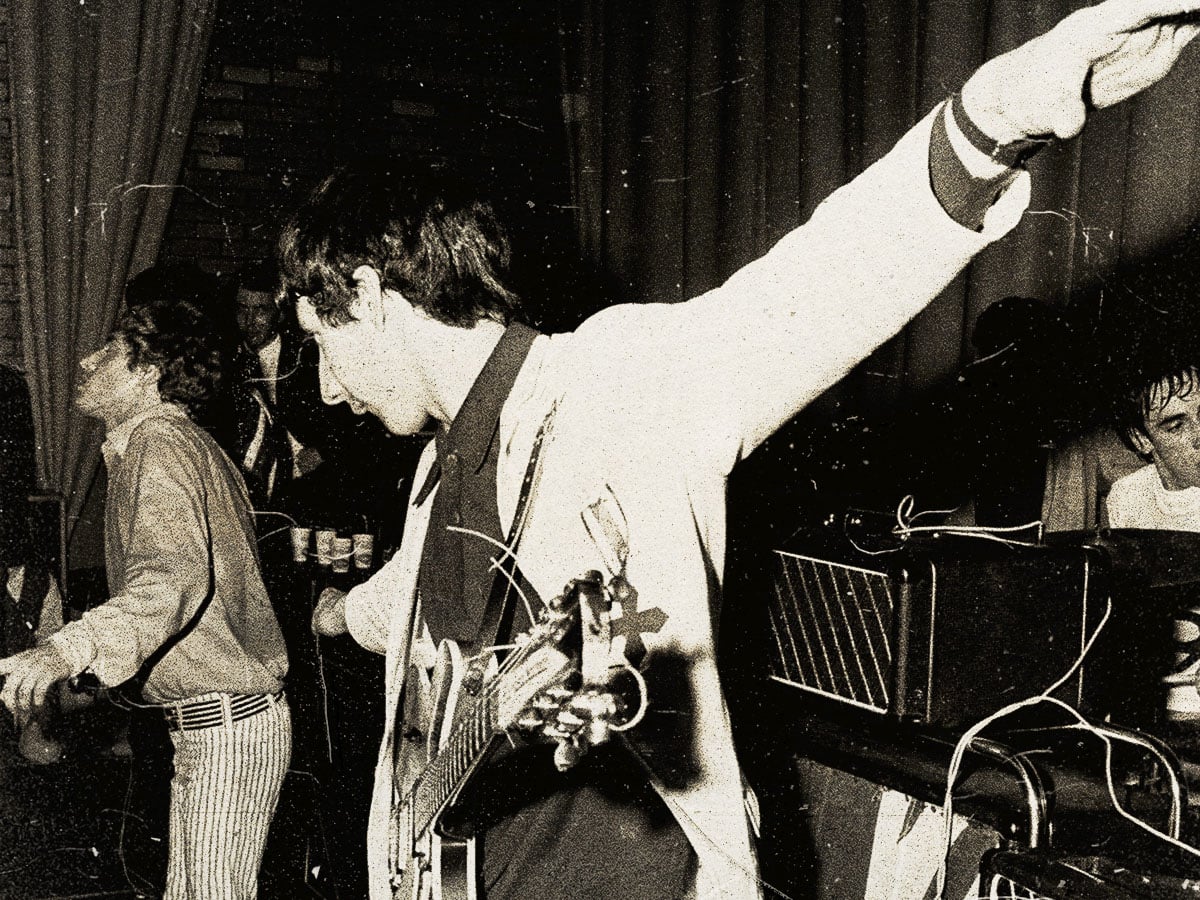
Concept albums weren’t invented by The Who; several different artists had dedicated time to putting together a record with a theme linking each track throughout. The Beatles managed it with Sgt Pepper’s Lonely Hearts Club Band, Marvin Gaye managed it on What’s Going On?, and The Pretty Things did it on S. F. Sorrow. However, arguably, the band who pulled off the concept album the most effectively was The Who.
When they released the likes of Tommy and Quadrophenia, Pete Townshend managed to cement himself as a master storyteller. The records had a captivating storyline embedded throughout, with tracks ranging from different characters’ points of view, a beginning, middle and end, and frequent callbacks to previous events in the record.
When The Who released their concept albums, they became the world’s go-to musical storytellers. As such, whenever a band weaved narrative through one of their tracks, The Who and Pete Townshend were undoubtedly an influence, whether this was directly or indirectly. Pete Gabriel found this was the case when he started to write with a story in mind; as a fan of The Who, familiar names and structures began to creep into his work.
‘The Lamb Lies Down on Broadway’ was a song by Genesis that told the story of Rael, a poor boy from Puerto Rico living in the Bronx in New York. During his time in New York, he had to navigate the various challenges that come with it, such as family, authority, love, and sex. The story was incredibly moving and well told by the band, with Peter Gabriel admitting though Pete Townshend was not a direct influence, his inspiration would have been there, with the name of the main character being a dead giveaway.
In 1967, The Who released The Who Sell Out, an album which featured the track ‘Rael (1 and 2).’ In an interview, when Gabriel was asked about whether or not Pete Townshend inspired the track, he said that though he didn’t write it with Townshend in mind, given how much a fan of the band he was and their influence on concept albums, he no doubt will have been indirectly inspired.
“It was a subconscious tribute,” he said, “I spent a long time thinking of that name, like Ra the Sun God. But I was a big Who fan so that it may have got in there. Townshend created much of the musical environment and delivered the angst with intelligence, passion, and extraordinary musical ability.”
The impact of The Who on the world of concept albums is evident in the fact that they could subconsciously inspire those making music. It was no longer the case that they were glaring embodiments of the style of music; instead, they became so well-known in the art form that they blended into it, becoming built into its foundation.
