


The 1975 album Lou Reed wasn’t allowed to revisit: “It’s complicated”

There’s one album in Lou Reed’s LP oeuvre that sits with confounding belligerence and defies categorisation.
Across the early 1970s, Reed had wandered a rewarding yet diffident presence in the charts. Was his yo-yoing success bad luck, or a deliberate barricade to pop stardom’s teases? It was never clear, the former Velvet Underground frontman never wanting to make things easy for his fans, label, or even himself, but the commercial highs of Transformer and Sally Can’t Dance would just as quickly have their rug pulled from underneath by the likes of Berlin’s bleak rock opera.
He’d test his label’s patience once again for his fifth album. After Sally Can’t Dance’s relative pop-rock flourish, Reed became enamoured with the tonalities and noise that could be emitted from just one guitar and some feedback. Tuning all the strings to the same note, Reed waved his guitar next to the amp to create all its howling din, adding an extra guitar and amp to then trigger feedback clashing with another blast of feedback, before simply recording the grating loop. Sticking some effects on and playing with speed on the tape, Reed handed his experimental creation to an exasperated RCA, who didn’t understand what just landed on their desk.
Released in July 1975, Metal Machine Music was indeed his boldest effort yet. A double album of four tracks of metallic noise and nothing more, Reed’s avant-garde conjuring initially sold a respectable 100,000 copies before an avalanche of returns forced its pull from circulation after just three weeks. Suggestions had been made to issue the unwieldy record of white noise on RCA’s Red Seal classical imprint to illustrate its avant-garde nature, an effort by RCA to gently set fans’ expectations not to expect a ‘Walk on the Wild Side’, but Reed scoffed at the idea, deeming such marketing as “pretentious.”
Naturally, it bombed. Lester Bangs gave a rave review, but otherwise, Metal Machine Music was forever deemed as a “fuck you” to Reed’s RCA overlords, as well as a sabotage of his newfound fame. As ever, Reed offered coy insights into exactly what his motives were in its aftermath, veering between a sincere exercise in high art and a complete joke: “Anyone that gets to side four is dumber than I am.” Whatever its merits, Reed had once stated that RCA held a grudge over his noise sludge baby.
“Years ago, someone wanted to do an installation of Metal Machine Music, and we tried to get the original tape from RCA… as though they cared,” Reed quipped to PopMatters in 2007, reflecting on the record’s original quadrophonic version. “They wouldn’t even let us. It’s complicated, but they wouldn’t let the original tape out of their warehouse, which is interesting… the fact they even have it.”
Time would eventually vindicate Reed’s snarling, alien beast, Sonic Youth reportedly having been inspired by Metal Machine Music to pursue their own explorations of noise’s possibilities, as well as serving as a spiritual precursor to a whole slew of industrial and power electronics set to rear its head amid the punk underground.

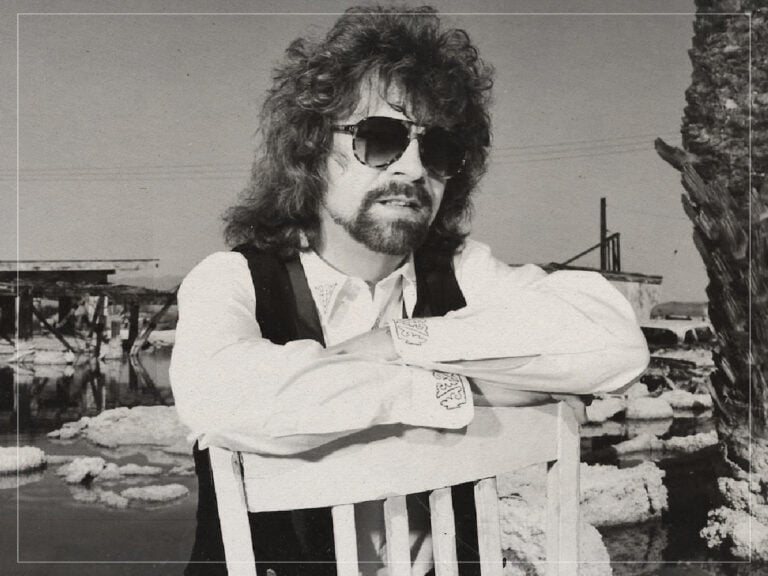
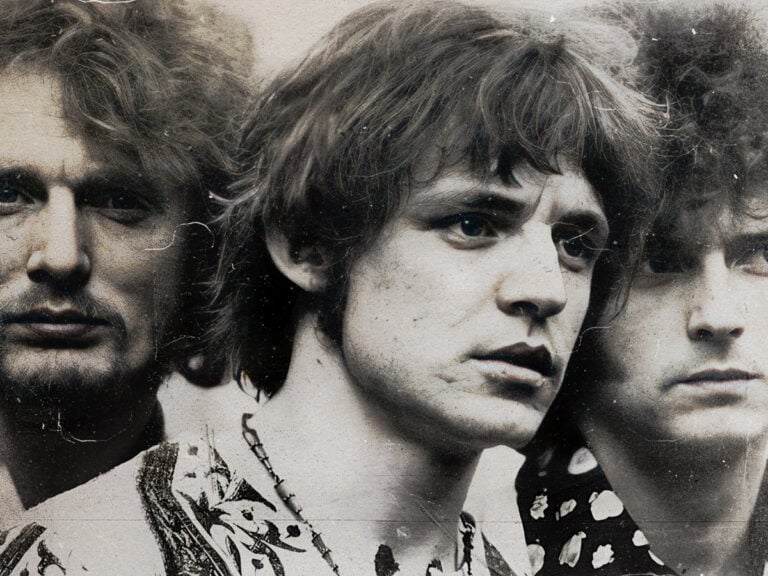
Reed never disavowed his cacophonic terror either. In 2002, Reed performed Metal Machine Music with the Zeitktratzer ensemble in Berlin’s MaerzMusik festival, with a personally overseen reissue landing on shelves in 2010. Decades later, RCA’s LP headache became an essential piece of Reed’s confrontational body of work.
“Well, I mean, I really like it,” Reed declared. “I really love it. Not just the idea — the actual thing. I wouldn’t have done it if I didn’t love it.”
