


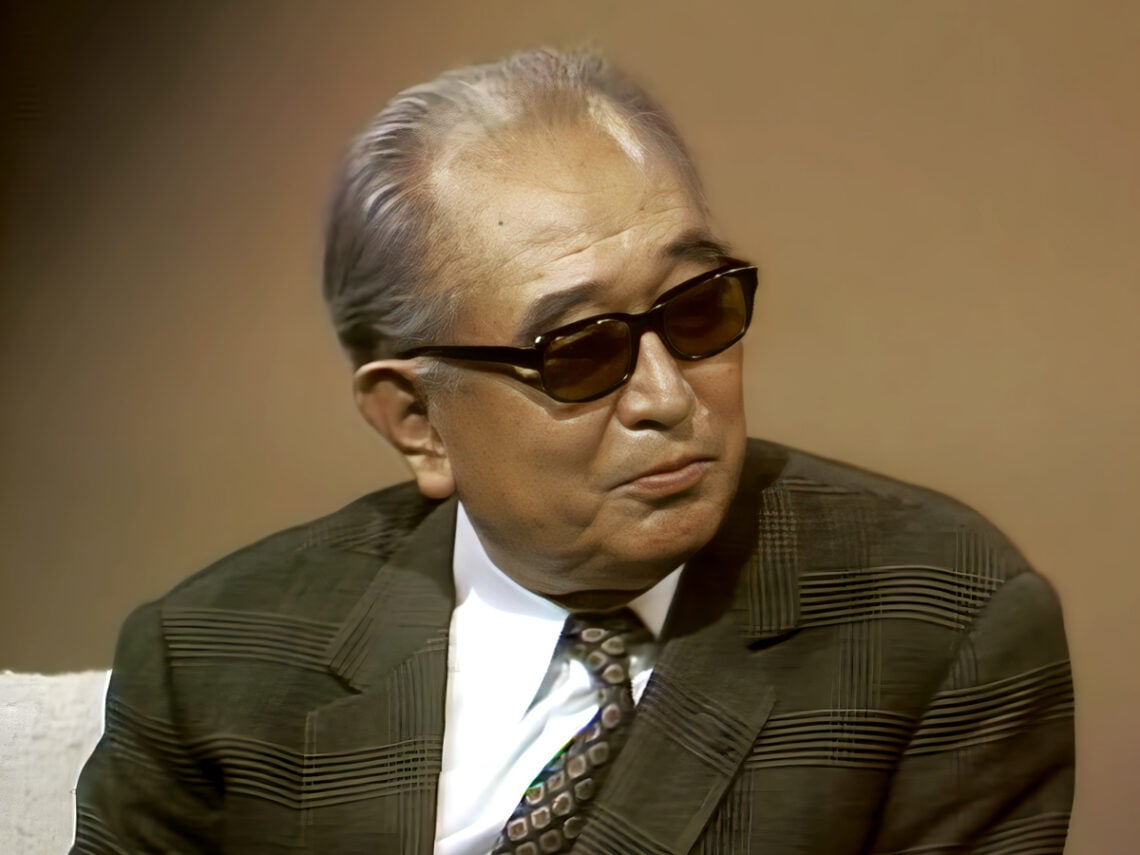
“Real fear”: The 1972 sci-fi movie that shocked Akira Kurosawa

In the long history of Japanese cinema, a handful of directors sat comfortably at its high table, and right at the head was the eternally masterful Akira Kurosawa.
He threw himself into his work, famously saying, “There is nothing that says more about its creator than the work itself.” A genuine icon of Japanese film, Kurosawa remains one of the most influential film directors of all time, praised for his historical storytelling that dived into the heart of the human condition.
His filmography was an eclectic whirl devoid of rules. Kurosawa could compose grandiose samurai epics, philosophical dramas, literary adaptations and intense film noirs with the craftsmanship of a true master. With countless masterpieces to his name, including Seven Samurai, Rashomon, Ikiru and Throne of Blood, Kurosawa remains one of global cinema’s all-time heroes, unflinching and full of class, craft, and calm courage.
As one of the most respected film directors in cinema history, Kurosawa received widespread admiration from his fellow artists and was fortunate enough to spend personal time with some of them. Though the films of Andrei Tarkovsky had little to do with Kurosawa’s, the two film legends have a deep respect for one another, and Kurosawa once wrote of his experience with the Russian cinema icon in 1977. He was in his 60s, but still eager to learn from his peers.
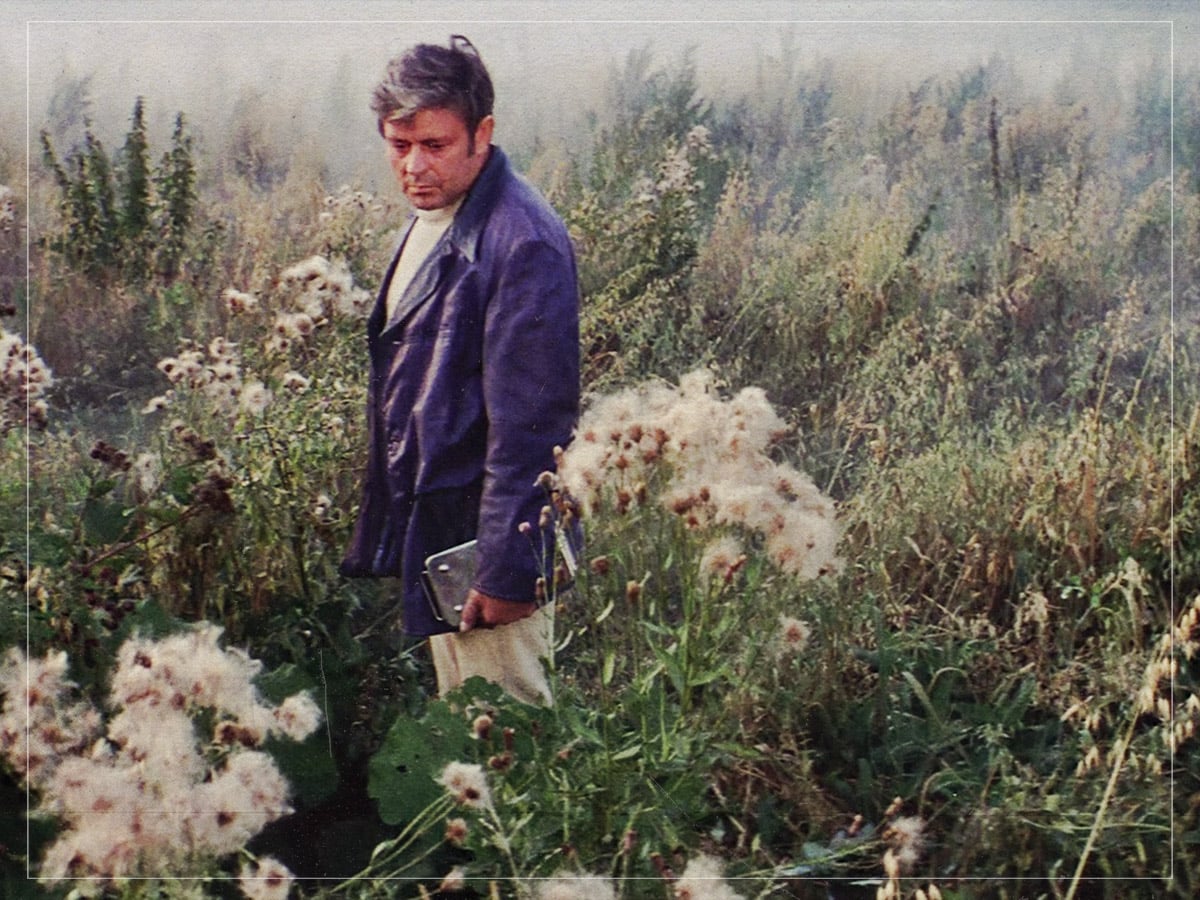
Kurosawa had been invited to spend time on the set of Tarkovsky’s 1972 science fiction drama film Solaris, and the Japanese director was wildly impressed with what he saw, writing, “Marvelous progress in science we have been enjoying, but where will it lead humanity after all? Sheer fearful emotion this film succeeds in conjuring up in our soul. Without it, a science fiction movie would be nothing more than a petty fancy.”
He couldn’t speak a word of Russian, but much like his the genre-devoid ways of his back catalogue, Kurosawa didn’t see any boundaries, once saying, “No matter where I go in the world, although I can’t speak any foreign language, I don’t feel out of place. I think of earth as my home.”
He continued, “If everyone thought this way, people might notice just how foolish international friction is and they would put an end to it.” Although it might be viewed with snobbery sometimes, at its best, sci-fi can illuminate that perfectly. Kurosawa was certainly no snob.
The beauty of Solaris
Solaris, based on the 1961 Stanislaw Lem novel of the same name and starring Donatas Banionis and Natalya Bondarchuk, tells of a psychologist who is sent up to a space station orbiting the titular fiction planet to evaluate its skeleton crew of three scientists who are all experiencing emotional distress. When he arrives, though, the psychologist also falls victim to the same strange phenomena.
Relating his experience of watching Solaris, Kurosawa noted, “When the film was over, [Tarkovsky] stood up, looking at me as if he felt timid. I said to him, ‘Very good. It makes me feel real fear.’ Tarkovsky smiled shyly, but happily. And we toasted vodka at the restaurant in the Film Institute.”
He continued, “Tarkovsky, who didn’t drink usually, drank a lot of vodka, and went so far as to turn off the speaker from which music had floated into the restaurant, and began to sing the theme of samurai from Seven Samurai at the top of his voice.”
Kurosawa signed off, “As if to rival him, I joined in. For I was at that moment very happy to find myself living on Earth. Solaris makes a viewer feel this, and even this single fact shows us that Solaris is no ordinary SF film. It truly somehow provokes pure horror in our soul. And it is under the total grip of the deep insights of Tarkovsky.”
Kurosawa spent his career searching for universal truths beneath history, myth and human conflict. In Solaris, he found another filmmaker doing exactly the same thing among the stars. Seemingly, he enjoyed a vodka or two… or three as well.
