


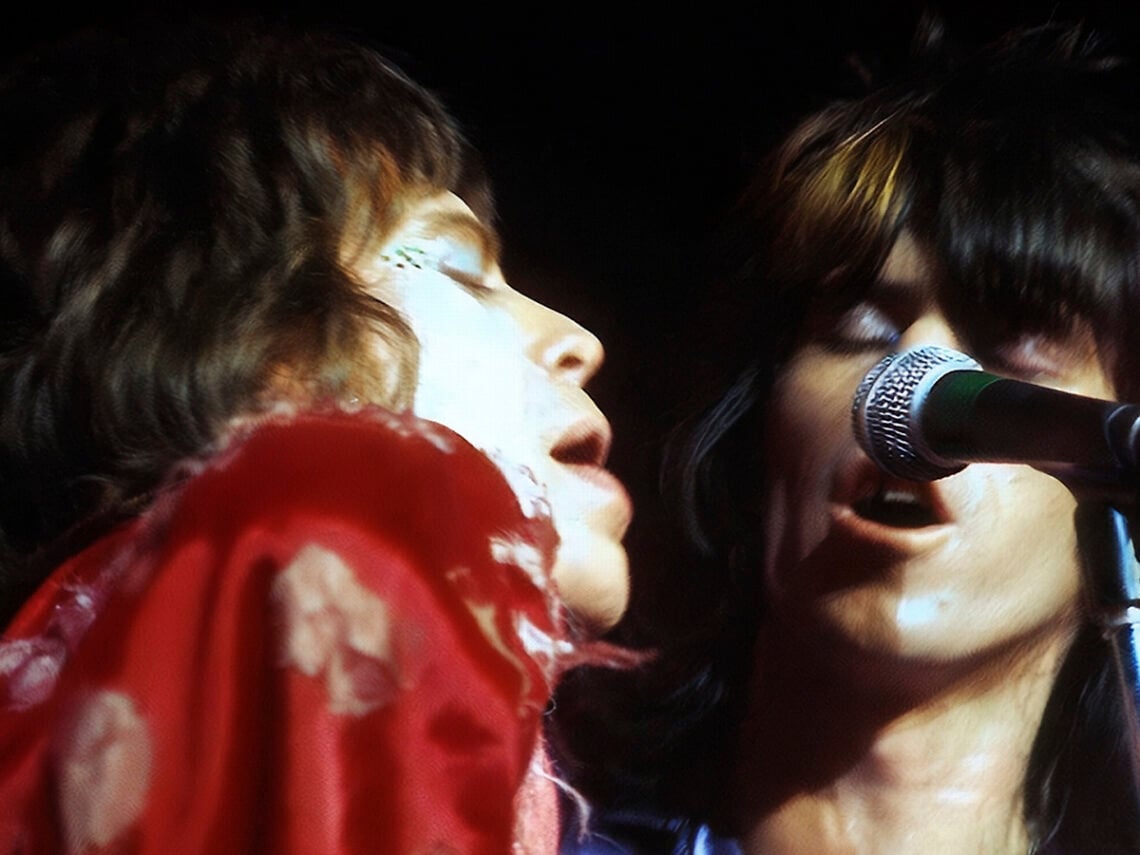
“Lousy”: The 1972 Rolling Stones record Mick Jagger couldn’t stand listening to

When you’ve been in the music industry for as long as The Rolling Stones, not everything you’ve laid down will be perfect. Although Mick Jagger and Keith Richards may have been the soundtrack of the golden age of rock and roll for many, they still have regrets.
Some of these regrets are patently obvious to even the most idle Stones listener. There are seldom few people who are going to say that albums like Dirty Work have the exact same impact that Sticky Fingers had years before. Yet, there are a few albums in their arsenal that seem so unimpeachable that criticism from the band themselves seems curious.
While Jagger has been known to be diplomatic about most of The Stones’ catalogue, admitting that Their Satanic Majesties Request was a psychedelic bandwagon jump, he surprisingly admitted that Exile on Main St could have used a bit of work, too.
Tom Waits might have proclaimed that the album was “a tree of life.” Adding, “This record is the watering hole. Keith Richards plays his ass off. This has the Checkerboard Lounge all over it.” But Jagger thought that it was sullied by issues that had frustrated him ever since it was released back in the grovelling spring of 1972.
As the band entered the 1970s, there was a good chance that nothing would slow them down. Even though they had to move on from the tragic death of longtime guitarist Brian Jones, their ability to carry on across albums like Beggars Banquet saw them solidify themselves as rock legends.

For all of that time living in the shadow of The Beatles, the band had finally found their voice as the rock and roll answer to hardened bluesmen, all while making heartbreaking ballads like ‘Wild Horses’ and ‘Sway’. Although the production of Sticky Fingers saw the band playing to every one of their strengths, things began to go haywire when they became tax exiles.
Moving out of England to complete their next record, Exile on Main St practically documents those years spent running from their tax problems. Working in different parts of the world, the band spent almost every day coming up with yet another classic for their double album, either putting their own spin on Robert Johnson’s ‘Stop Breaking Down’ or making their own bluesy romps like ‘Shine a Light’ and ‘Sweet Virginia’.



So, what was Jagger’s big issue?
When running from the law and trying your best to hold everything together, not everything will come out as tidy as you want. Despite being one of the crowned jewels in the band’s repertoire, Jagger always thought that the final mixes of the album were half of what they could have been.
Discussing the album years later, Jagger said that some pieces of the album were far too messy, saying, “When I listen to Exile, it has some of the worst mixes I’ve ever heard. I’d love to remix the record, not just because of the vocals, but because generally, I think it sounds lousy…it’s really not good, and there’s no concerted effort or intention”.
Even though Jagger may not have liked the muddy sounds of the mix, that raw sound gives a lot of the songs their power. Keith Richards even thought that the raw mix had given the album its longevity, calling it one of the first grunge records ever made years before the Seattle scene began. Jagger, notably, wasn’t a fan of grunge.
All that being said, is this the kind of Rolling Stones album with the most pristine production? No. Does it have the most technically sophisticated performances beyond a riled-up Keef’s searing enthusiasm? No. What it does have, though, is a unique groove throughout every song, and that groove is one of the most timeless sounds in all of rock and roll. Over half a century later, it still feels as vital as summer rain. Little wonder Waits called it the “tree of life”.
