


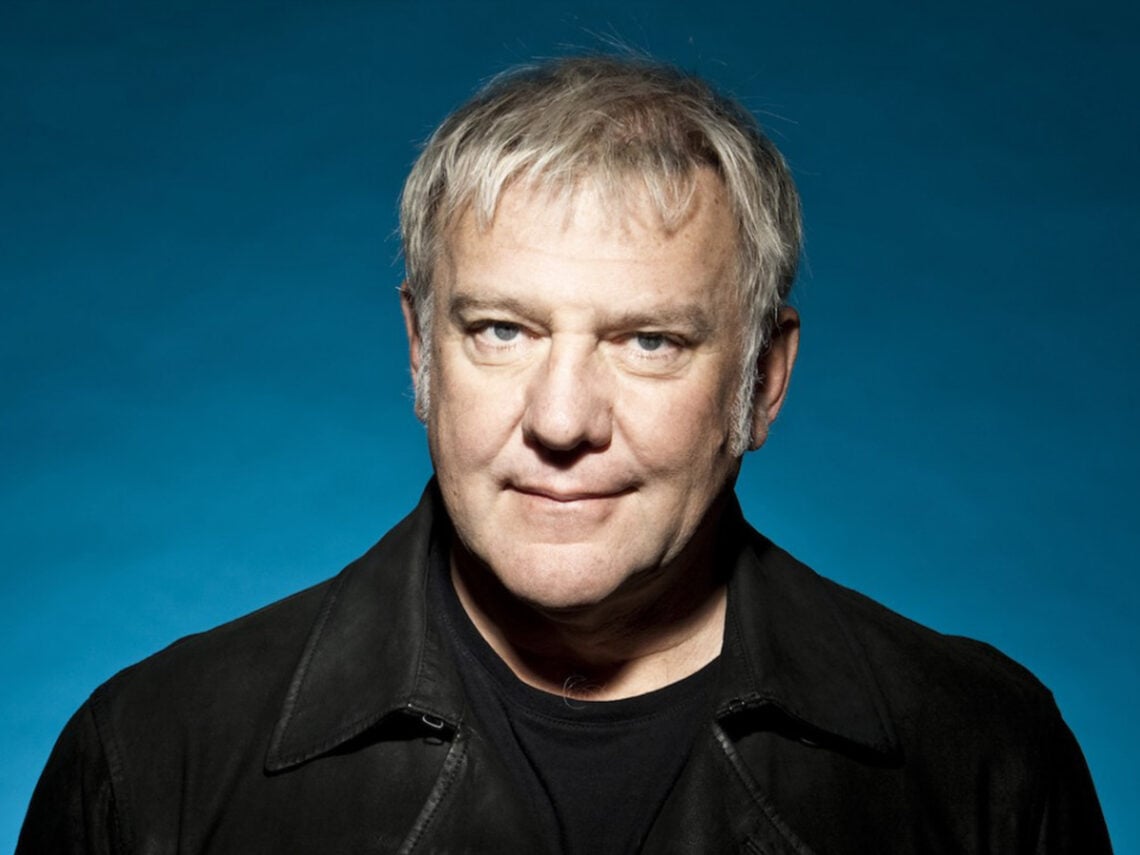
“Over a million times”: the 1971 Yes songs Alex Lifeson loved playing the most

It’s interesting to think what kind of band Alex Lifeson may have lent his guitar to had he been been that few years earlier or later.
The Rush juggernaut he’d eventually co-captain for nearly 60 years is such a uniquely hodgepodge sum of its burnished parts. A bluesy beginning stretched out into progressive expanses, beefed up with enough hard rock ballast to garner affection from the more open-minded ends of the metalhead underground, doggedly swerving past punk’s insurrectionary rug pall to unlikely new wave heroes with their embrace of big, fat synthesisers.
Lifeson was still a teen when he first formed Rush back in 1968, the prime age when music is at its most commanding and life-altering. Shift five years earlier, and he could have wielded his guitar among Canada’s British invasion struck groups like The Guess Who or The Stampeders, or shift five years later, and he could have been shredding sped-up turbo garage à la DOA or The Subhumans.
But, born in 1953, Lifeson’s formative years were soundtracked by counterculture’s winding evolution from Woodstock through that wholly peculiar chapter of rock, prog.
1971 was prog’s most confident year. The golden age was 1972-1973, but the ambitions became too indulgent, the concepts too bloated, and the live spectacles alienating in their remote disconnect from the crowd in a short time. 1971 was when the prog cohort had yet to lose themselves in their self-parody; King Crimson, Genesis, Jethro Tull, and Pink Floyd all cut big idea LPs that were a little rawer and rougher than the later targets punk would attack in due course. It was also the year that Lifeson first grappled with The Yes Album.
It was a landmark moment, a seismic impact on the young Lifeson, he was keen to share with the Rock & Roll Hall of Fame when inducting the UK prog heavyweights in 2017. “Yes were my gateway band in so many ways,” he confessed. “There’s nothing so fleeting yet enduring about the way music feels when you’re 17 years old, as Yes played in my room, I played too. I spent hours picking my way through songs like ‘Starship Trooper’ and ‘Yours Is No Disgrace’…I must have played that a million times…”
Both from The Yes Album, Lifeson’s heavily rotated Yes cuts are gleaned from a moment in the London prog outfit’s journey when they still felt tethered to the realm of psychedelia. Rick Wakeman had yet to swap with Tony Kaye and bring his cosmic wizardry, and the songs enjoyed some much-needed restraint that the later blunders like Close to the Edge and Tales from Topographic Oceans sailed way past.

‘Yours Is No Disgrace’ would plant evident seeds for Lifeson, wrapping a dextrous and creatively myriad hurtle around a ten-minute thumper, but ‘Starship Trooper’ unfurls its peacock train with extravagant plume, a three-suite traverse respectively penned by Jon Anderson, Chris Squire, and Steve Howe that points the way for a certain three-headed hydra to follow with success.
Rush would follow Yes’ principle while wrapping their progressive ambitions with an extra coating of idiosyncrasies that garnered their feverishly Marmite reputation, but the blueprints are all there on ‘Yours Is No Disgrace’ and ‘Starship Trooper’, a permission to go all out and venture into the prog expanse Lifeson would take notes form foe the rest of his career.
