


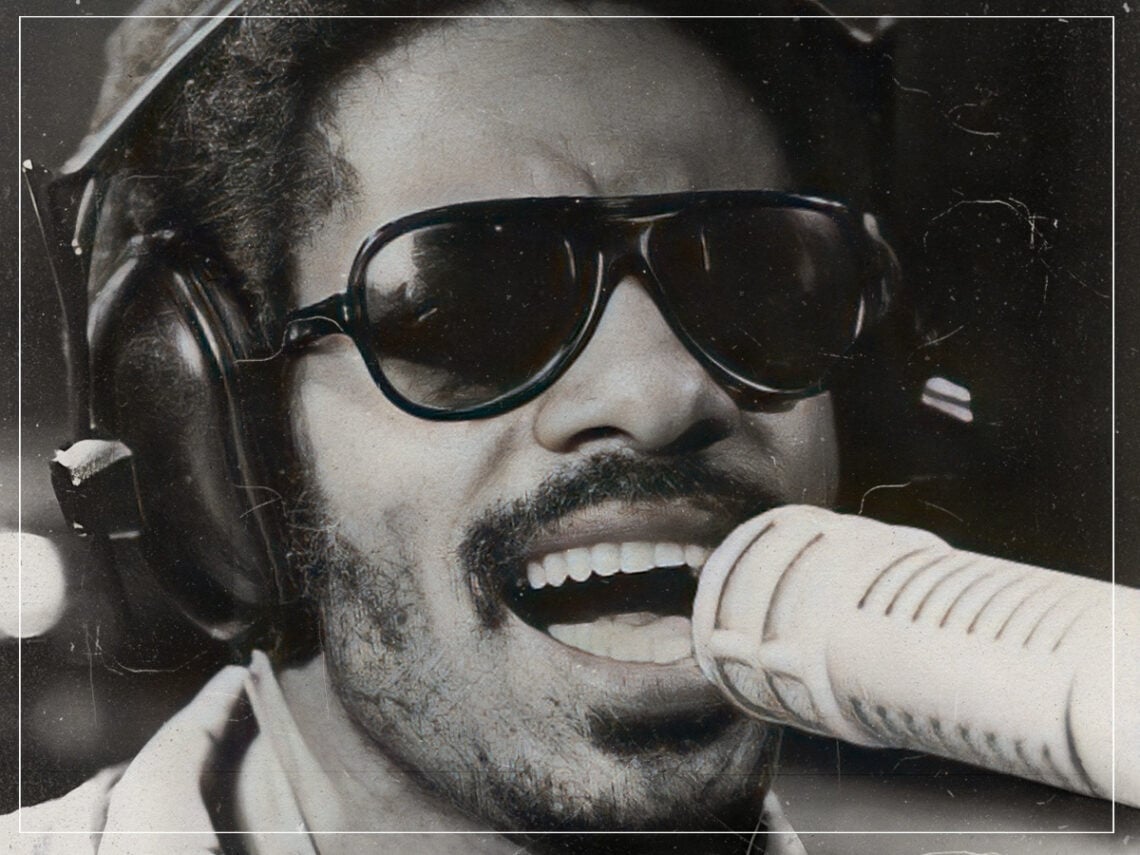
“Genius”: the 1971 album Stevie Wonder was happy the world could experience

Stevie Wonder knows a thing or two about making masterpieces. While the early part of his career in the 1960s was filled with hits, classic albums weren’t quite as easy for him to come by, although there was plenty of promise that this day would eventually arrive for him as he matured.
Mature he did, and it wasn’t necessarily a gradual process either. Wonder’s musical coming-of-age almost came as a sudden burst of inspiration as he entered his 20s, where pleasant pop songs would rapidly turn into futuristic and adventurous masterpieces that have gone on to inspire many from diverse musical backgrounds.
He saw out the ’60s with a couple of albums like For Once In My Life and My Cherie Amour, and began the following decade with Signed, Sealed & Delivered, all of which saw the level of his songwriting rise to another level. It was still a hodgepodge of feel-good pop soul and the occasional emotive ballad, but the strength of what he was putting together felt as though it was coming together at a rate that couldn’t be matched by any of his contemporaries.
But he wasn’t done there, and the records became a lot more daring in the 1970s, more progressive in style, and were influenced by a far greater range of styles.
An impeccable five-album run from Music of My Mind up until Songs in the Key of Life is what most people consider to be the high watermark of Wonder’s career, and every album in this streak is him at the top of his game. The two aforementioned bookends have Talking Book, Innervisions and Fulfillingness’ First Finale between them for good measure, and for those to have come out in the space of just four years shows that the inspiration was, by this point, coming thick and fast.
This constant maturation may well have helped, but there was arguably one influence on him that was greater than any other, and that spurred him on to make these albums more conceptual and vivid in their production.
In 1971, a year prior to Wonder kicking off this formidable run, Marvin Gaye released What’s Going On, an album of epic proportions that the world of soul hadn’t seen before, and certainly hadn’t been explored on the Motown label, where chart dominance was seemingly always the primary focus for their artists. Diving into the human psyche through the lens of the ongoing war in Vietnam and taking on the perspective of a soldier returning home from conflict, the album is rich with as much political insight into the period as it is luscious songwriting, performance and production.
In a 2000 countdown of VH1’s 100 Greatest Albums of the Last Millennium, Gaye placed at number four with What’s Going On, and in an interview for the broadcast, Wonder claimed that the album was nothing short of a musical miracle, claiming, “I’m just happy that we are able to have at least part of the incredible genius of Marvin’s talent, his voice, and his cry out for a place of understanding.”
It’s a spellbinding piece of work that only Wonder, and perhaps Curtis Mayfield from the world of soul, have been able to match, and one that rightly lives on not just as one of the most significant releases of its time, but of all time.
