


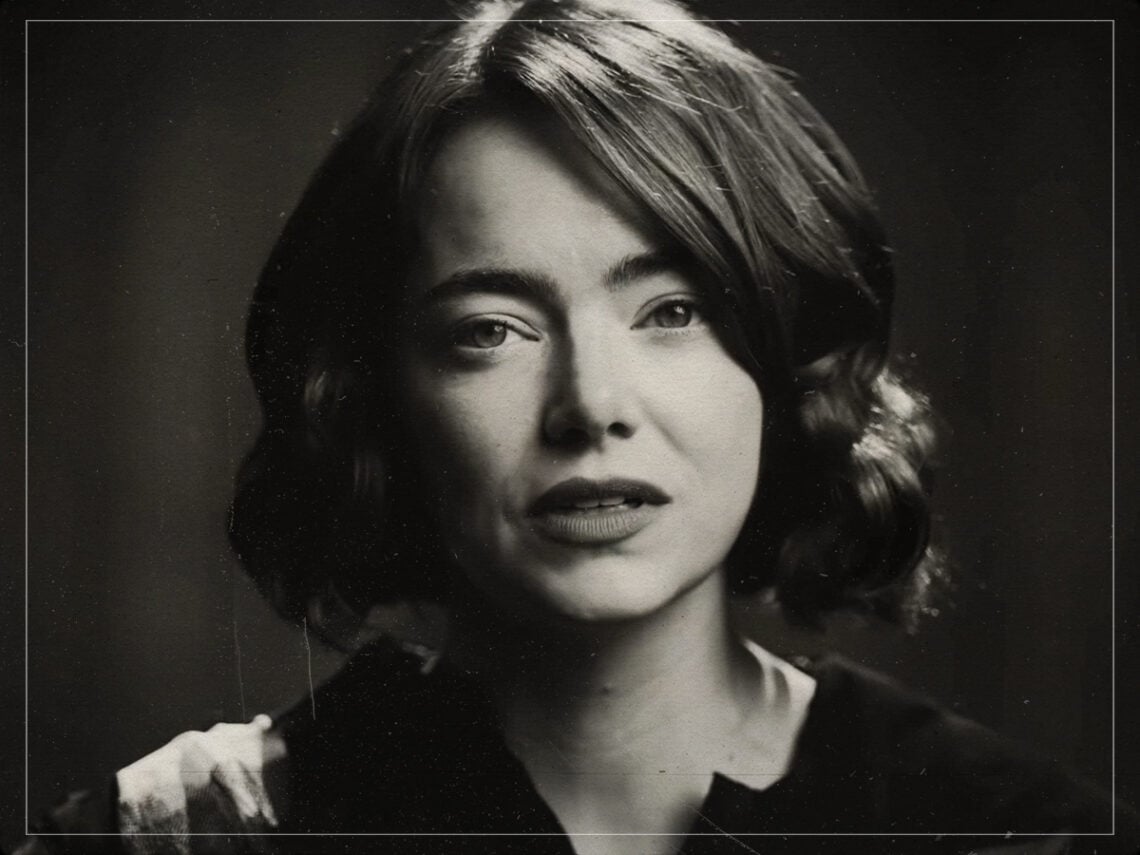
The 1970 song that saved Emma Stone from her darkest moments: “It was very formative in that time in my life”

There is no such thing as a perfect song. No matter how masterfully written, expertly arranged, or flawlessly produced a track may be, there will always be those who dispute its excellence. Fortunately, this subjectivity is exactly where music finds its excitement.
With no such thing as a universally agreed-upon perfect song, we’re all free to throw our suggestions into the ring, and Emma Stone has pitched a Yusuf / Cat Stevens classic.
Though she found success in front of a camera rather than in the studio, Stone’s career has often veered into the musical realm. From featuring on a ridiculous comedy track alongside The Lonely Island in Popstar: Never Stop Never Stopping to her starring, Oscar-winning role in Damien Chazelle’s romantic musical La La Land, her penchant for performance has never been limited to acting.
There is one song, in particular, which seems to have stuck with Stone for over a decade: Cat Stevens’ ‘Where Do The Children Play’. Forming the opening track to Stevens’ iconic 1980 album Tea for the Tillerman, the song considers the impact of planes and petrol gas on our future through the titular question.
“I know we’ve come a long way, we’re changing day by day,” Steven sings over his characteristic and calming folk rock soundscapes, “but tell me, where do the children play?” The song contains a core message about conserving the natural environment around us, at once acknowledging progress and lamenting the loss that comes with it.

Part of the song’s enduring power comes from the fact that its central question extends far beyond environmental concerns. Stevens leaves enough emotional space for listeners to find their own meaning in the lyrics, whether they hear a meditation on childhood, innocence, loss or the pace of modern life. The track avoids offering easy answers and, instead, quietly invites reflection, which helps explain why it has continued to resonate across generations.
That openness also makes it the kind of music people often return to during periods of uncertainty. Its gentle arrangement never attempts to overpower its message, instead creating an atmosphere of reassurance that sits comfortably alongside its melancholy. In doing so, ‘Where Do The Children Play?’ becomes less about solving life’s difficulties than providing a moment of calm within them.
It was this mixture of the calm and the melancholic that endeared the track to Stone. She first discovered the song through Hal Ashby’s 1971 film Harold and Maude and immediately fell in love with the soundtrack. As she recalled during a conversation with British Vogue, Stevens’ soothing song would go on to help her through a particularly difficult time in her life.
“My mum had breast cancer when I was 19,” she explained, “and I was listening to a lot of Cat Stevens at that time and this song for some reason was very helpful and effective and soothing, because it’s sad but it’s also just kind of the perfect song. It was very formative in that time in my life. I really loved that song.”
At once soothing and melancholic, a meditation on progress and destruction, ‘Where Do The Children Play?’ is most certainly a worthy contender for perfect song, one Stone has formed a particularly personal connection to.
Revisit the track below.
