


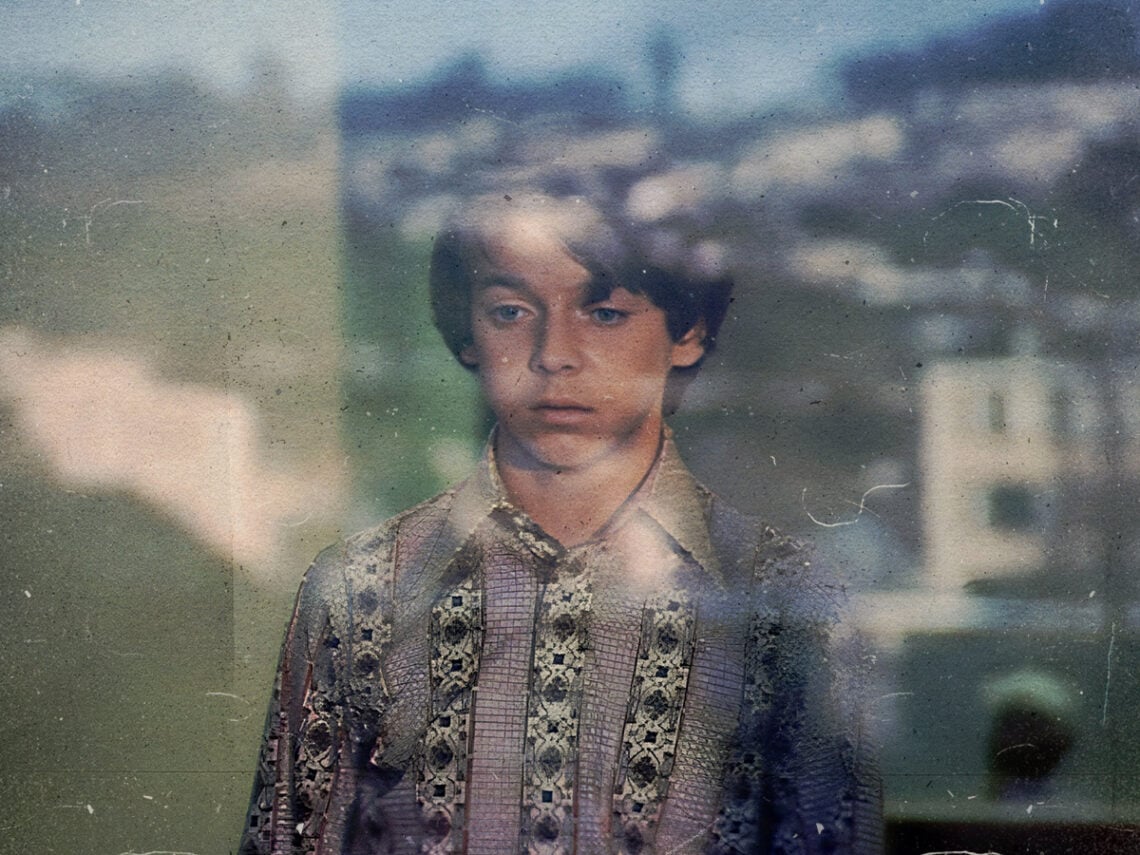
Exploring the meaning of life in ‘Harold and Maude’

Hal Ashby’s Harold and Maude arrived in 1971 at the height of the New Hollywood era. Mainstream cinema was changing, with new filmmakers taking inspiration from auteur directors and foreign cinema, desiring to move away from the strict demands of the studio system. Defining movies of the period, like Bonnie and Clyde, Easy Rider, and Wanda, typically featured bleak endings and expressed nihilistic tendencies.
However, although preoccupied with death, Ashby’s movie stands as one of the most hopeful works of cinema to emerge from this period, clinging onto the last remnants of the dying hippie movement. Harold and Maude possesses many classic signifiers of a New Hollywood movie, from its complex exploration of dense, anti-authoritarian themes and controversial subject matter (an age-gap relationship) to its black, satirical humour, which would not fly in a traditional Hollywood flick. Yet, it does not subscribe to the pessimism of many of its contemporaries, making it one of the most charming movies of the era.
The movie begins with Harold pretending to hang himself, much to the disinterest of his wealthy mother. Her nonchalant reaction to her son’s supposed suicide suggests that he’s pulled this trick many times before, and we soon discover that one of Harold’s favourite activities is staging his own death. This bizarre behaviour extends to attending funerals for strangers and driving a hearse, with Harold constantly attempting to get as close to death as possible.
Yet, after meeting an elderly woman named Maude at a funeral, the pair strike up an unconventional friendship upon discovering that they both attend such ceremonies as a hobby. However, unlike Harold, Maude attends funerals as a reminder to celebrate life rather than simply taking it for granted. The two have polar opposite reasons for being at the funeral, yet they establish a connection that soon blossoms throughout the film.
Maude enjoys stealing vehicles and lives in a disused railroad car, rejecting convention and living without regret. Quite simply, her life is the antithesis of Harold’s stuffy upbringing. While Harold’s socialite mother attempts to find him a suitable girlfriend and his uncle tries to enlist him in the army, Maude allows Harold to open up and be himself. Away from the demands of authority, the only person that truly matters to Harold is Maude, and the pair soon begin a relationship.
In one vital scene, Harold discovers that Maude has a tattoo on her arm from a Nazi concentration camp. This subtle moment allows us greater insight into understanding Maude’s attitudes towards life. As a survivor of one of history’s most tragic events, Maude knows she is lucky to be alive and how close death can be. Subsequently, she indulges in everything life has to offer, disregarding the futile, limiting demands of authority and social convention.
As Harold falls in love with Maude, he falls in love with life, no longer seeing it as an inevitable journey towards death but rather as an opportunity for experience. Being with Maude, a great veteran of life, teaches Harold to look past his limiting beliefs and break the shackles of his miserable upper-class existence. Imbued with the hippie spirit, Maude teaches Harold that life can be enjoyed when one allows themselves to be open-minded and full of love – that’s all we really need to keep us going.
However, on Maude’s 80th birthday, she decides she has lived a brilliant life and is ready to die on her own terms. She overdoses on sleeping pills, much to the devastation of Harold, whose obsession with death suddenly becomes all too real. In the ambulance, Maude tells her lover, “Harold, you finally learned to love, now, go love some more.” Maude’s death allows Harold to accept dying as a beautiful thing, a necessary part of the life cycle that will come for us all. After living a long life full of both pain and love, Maude departs with a smile, encouraging Harold not to be sad but to embrace life and carry on.
The movie ends with Harold’s car flying over a cliff, tricking us into believing that he has actually killed himself. However, we soon see Harold standing with the banjo gifted to him by Maude. He walks away, strumming the instrument, even doing a little dance as he disappears into the hills. Harold has finally learnt how to live – not at the expense of Maude’s life, but because of it.
